Sorry this is so long but going off ship and blogging about our trip has taken a little while to put together so this blog will span 5 days, 2 sea days and then 3 days on an excursion to Machu Picchu,.
We had two sea days from Ecuador to Peru. We did our normal sea day events like playing bridge, listening to classical music, going to the evening shows, Mass and eating. You may think – what do you do on a ship and what do you do with your time. Well sometimes it is just too busy and not enough time to get everything done. Especially note worthy was a party by the pool one of our sea days where the crew set up games, gave away prizes and fed us snacks and drinks.


Our next stop was Lima Peru where we leave our ship for 2 nights and 3 days and visit Machu Picchu , former home of the Inca civilization. !


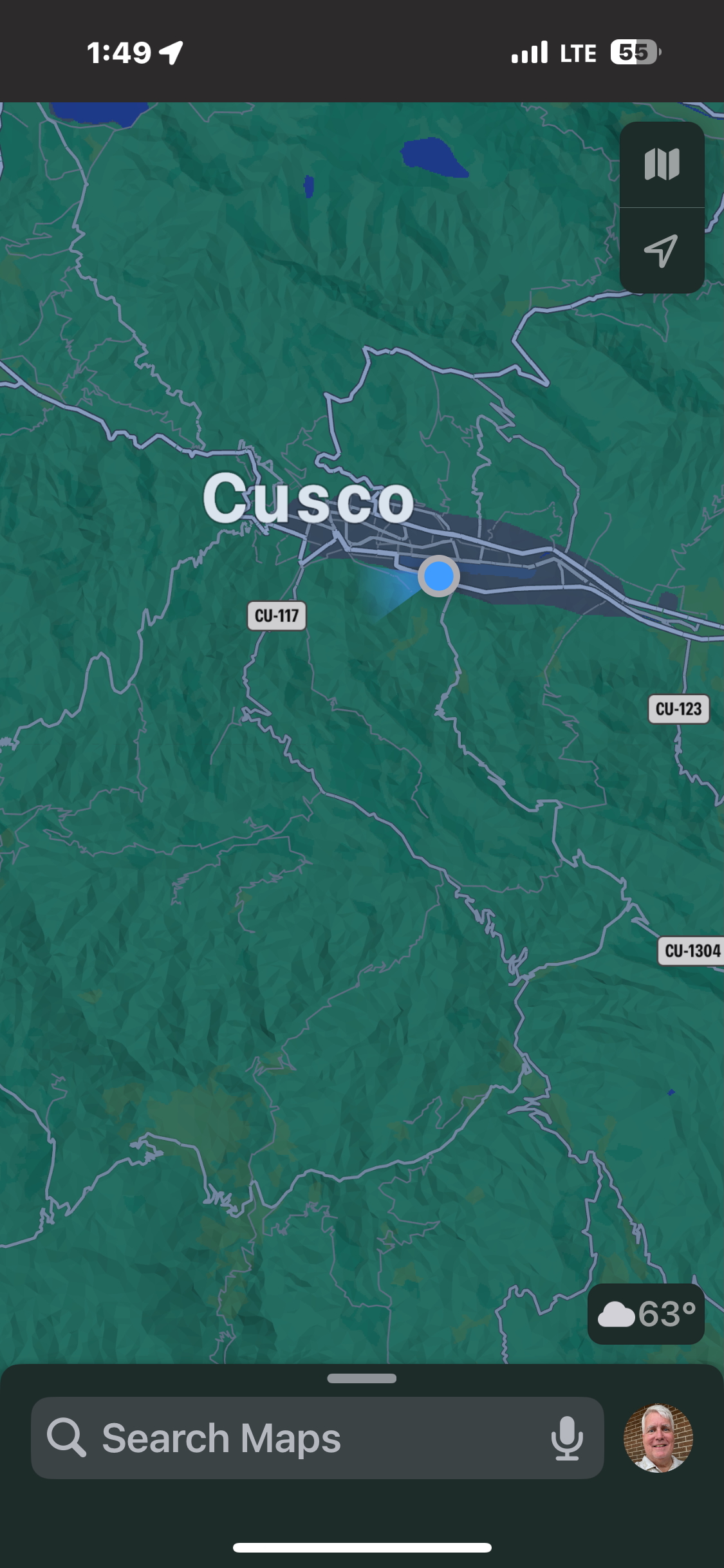
The Inca civilization originated in the Andean region, with its foundation traditionally traced to Manco Cápac, the first Inca ruler, who is said to have established the city of Cusco as the capital around 1200 CE. The turning point for the Incas came under the leadership of Pachacuti Inca Yupanqui (1438–1471), the ninth ruler, who transformed the Inca kingdom into a vast empire called Tawantinsuyu (meaning “The Four Regions”). Pachacuti and his successors, including Túpac Inca Yupanqui and Huayna Capac, expanded the empire through conquest and diplomacy, eventually covering modern-day Peru, Ecuador, Bolivia, northern Chile, and parts of Argentina and Colombia. The Inca empire was the largest in pre-Columbian America, with a highly centralized administration. The Incas are renowned for their impressive engineering skills, including: Road Systems: Over 24,000 miles of roads and bridges connected the empire, facilitating communication and trade. Machu Picchu: This iconic site demonstrates their architectural and engineering prowess. Stonework: Their constructions, such as Sacsayhuamán, used precisely cut stones without mortar. The Inca Empire was at its peak when a civil war broke out between the sons of Huayna Capac—Atahualpa and Huáscar—over succession. The Spanish, led by Francisco Pizarro, arrived during this period of instability in 1532. They captured and executed Atahualpa, leading to the collapse of centralized authority. Resistance continued for several decades, but the last Inca stronghold, Vilcabamba, fell in 1572.
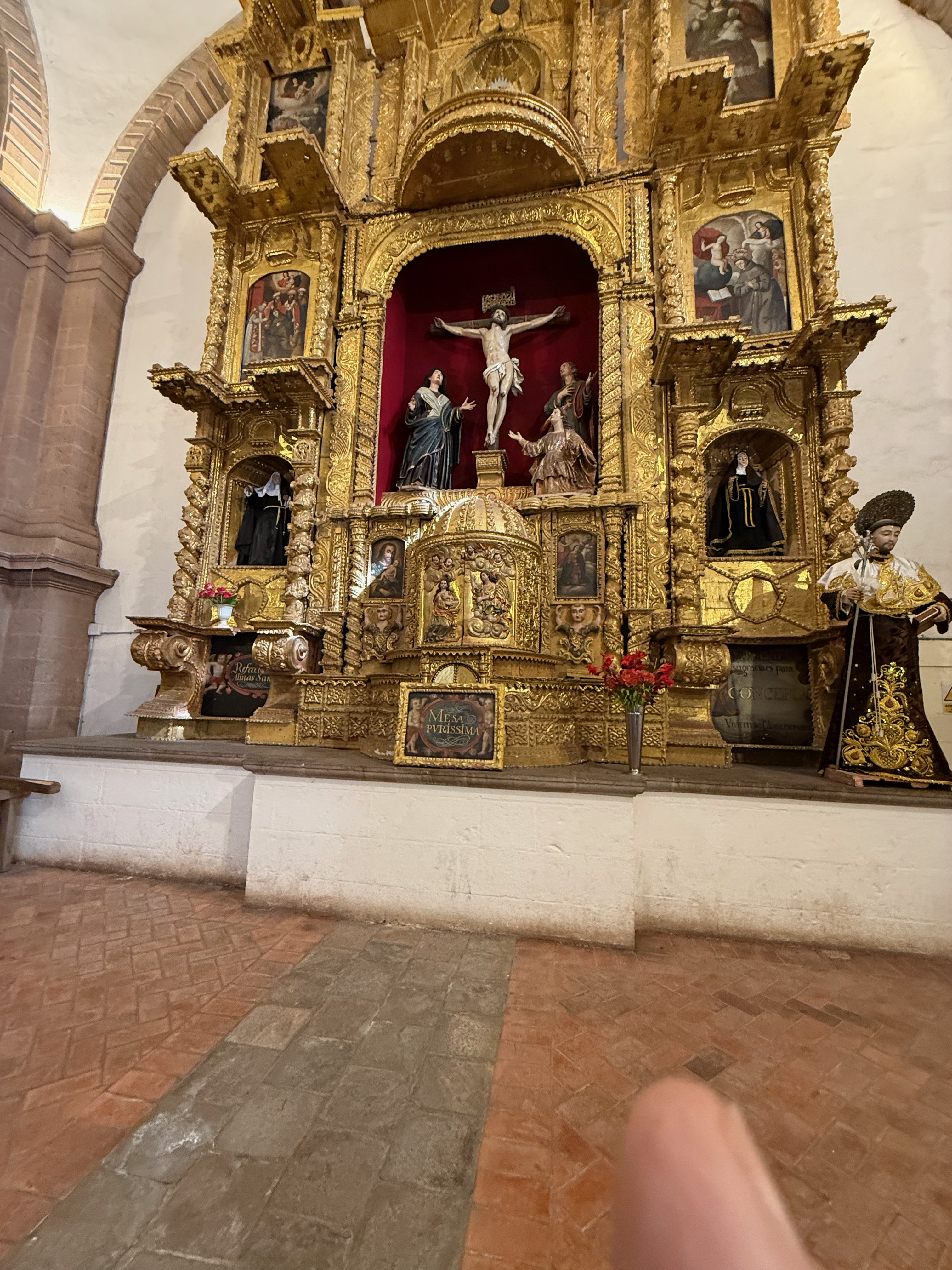
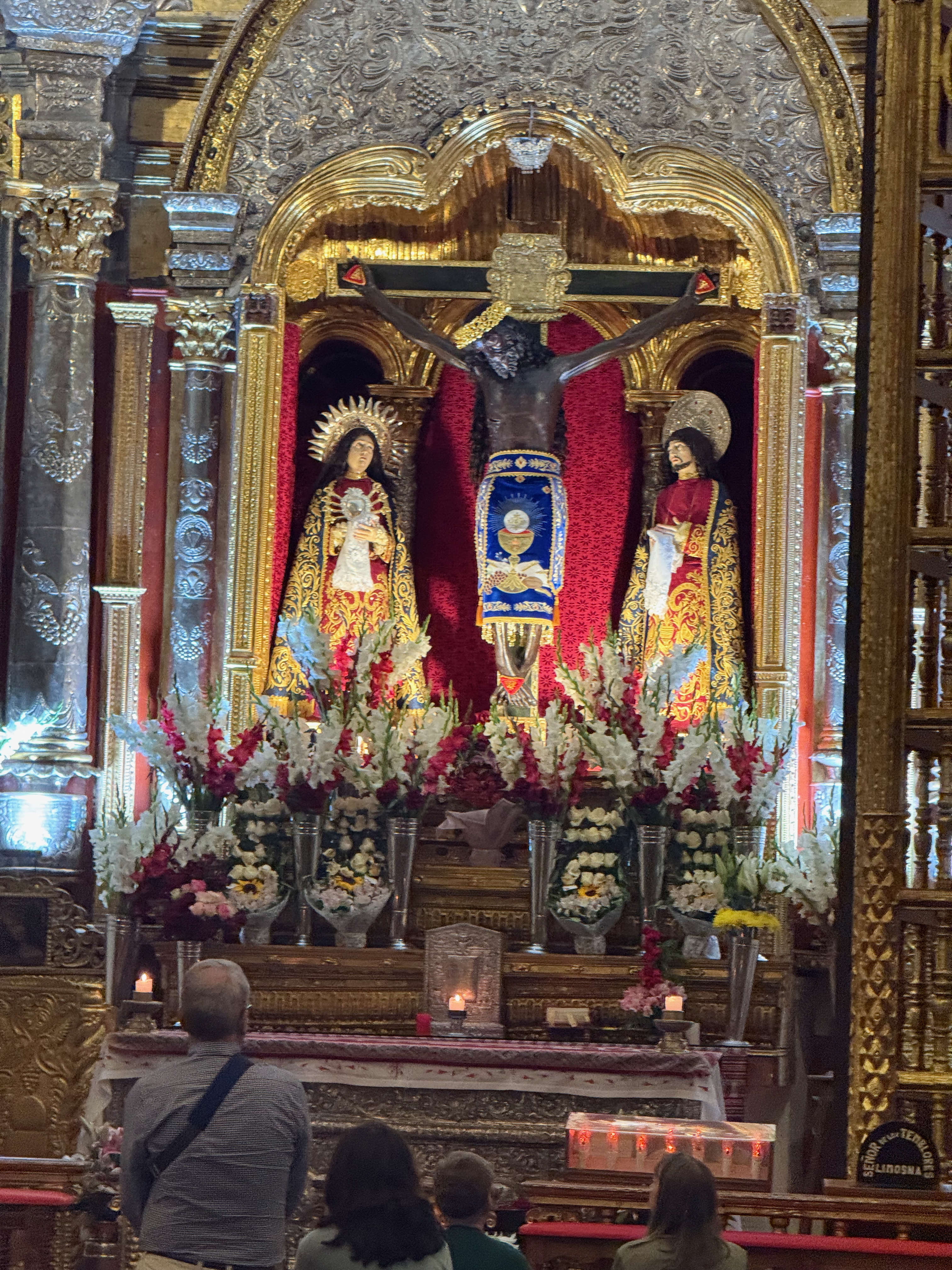
Machu Picchu, the iconic “Lost City of the Incas,” is a bucket-list destination for Nana and I. Our journey began with a flight from Jorge Chávez International Airport in Lima to Cusco, the nearest city to Machu Picchu. Upon our arrival to Cusco, we met our guides for a city tour of Cusco. We started with a lunch and then a visit to the cathedral in the Plaza de Armas. This is one of the most splendid Spanish colonial churches in the Americas. It is shaped like a Latin Cross and houses about 400 colonial paintings.

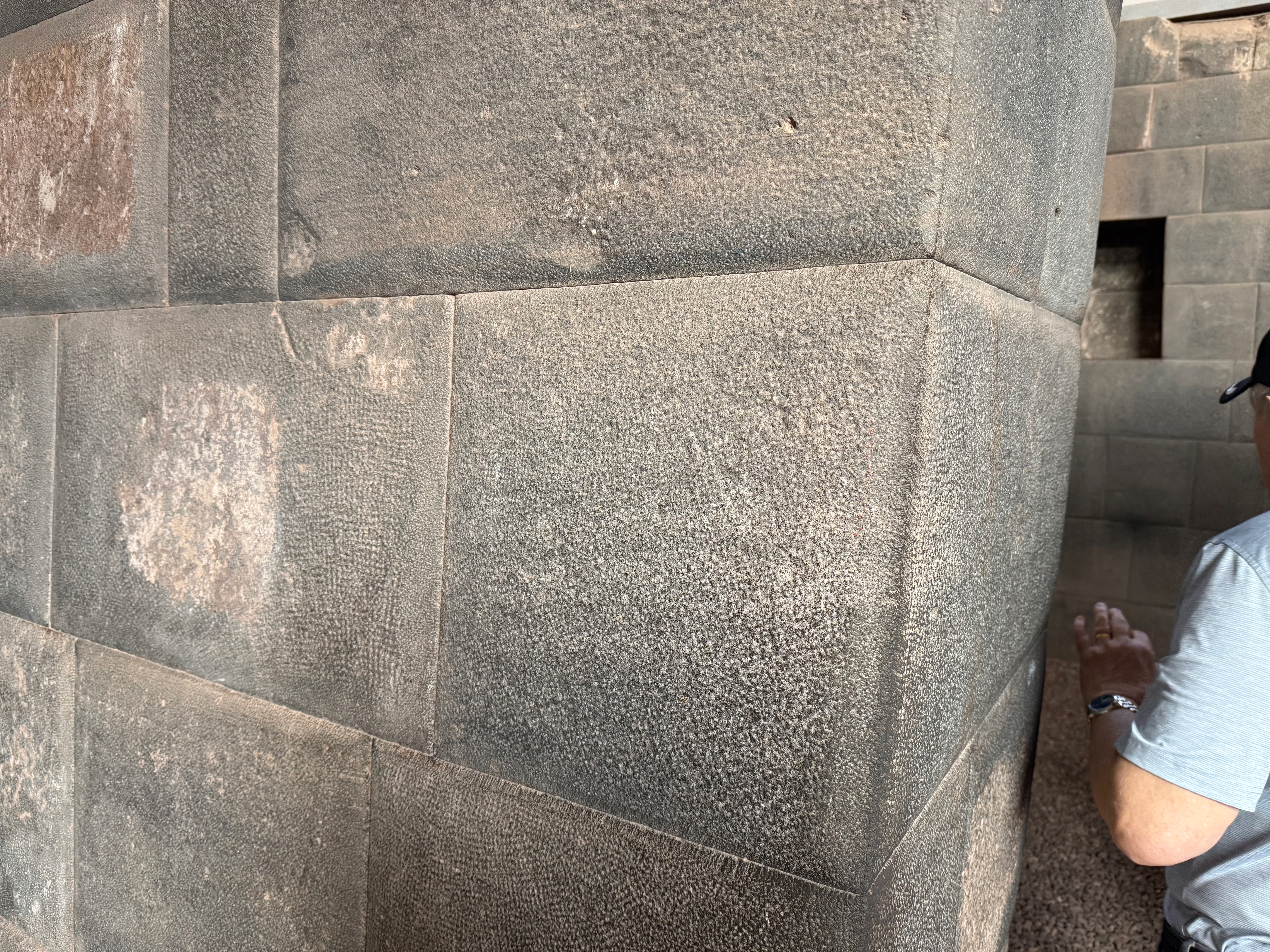
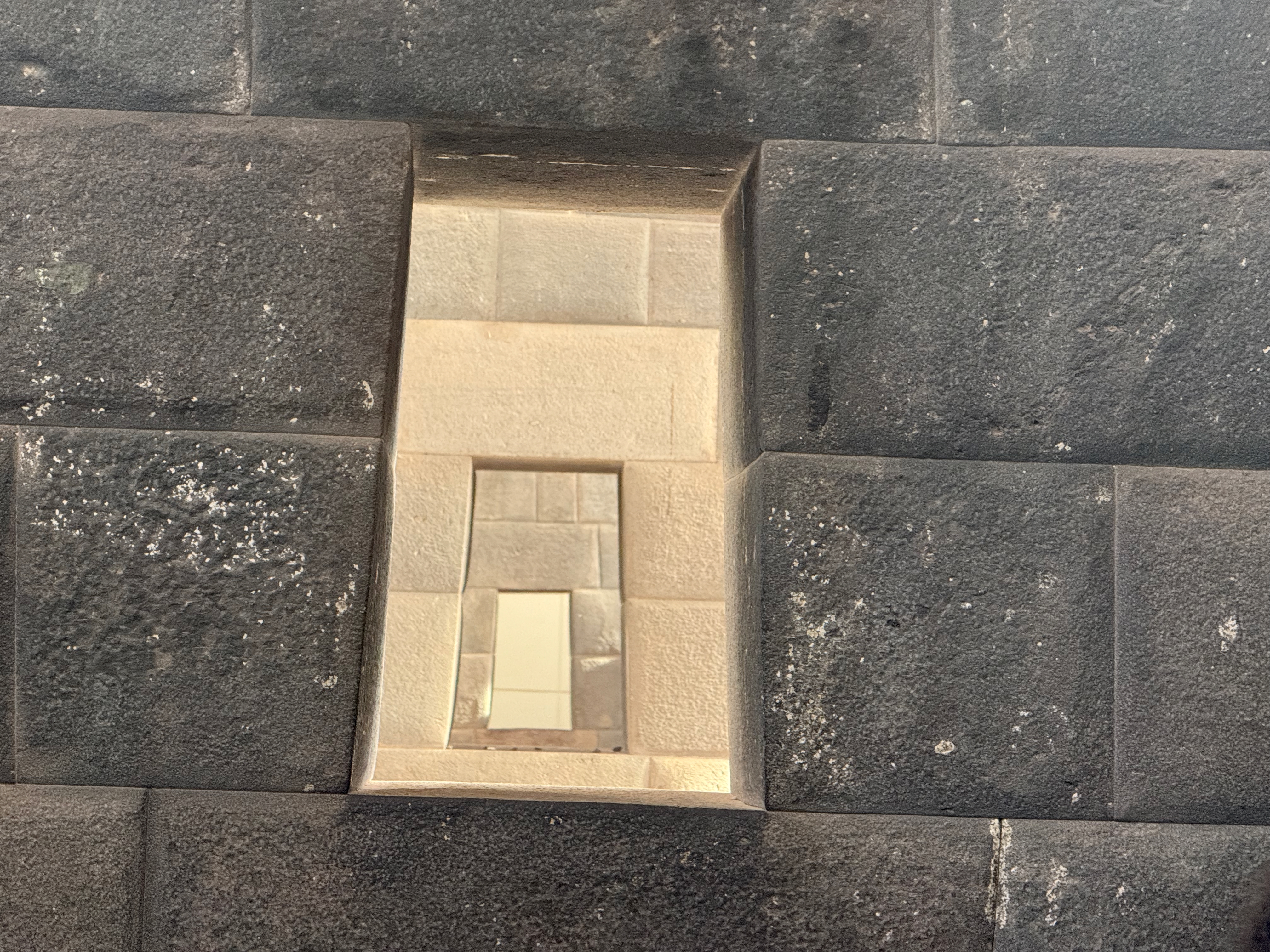
From there we visited Cusco’s Coricancha Temple of the Sun, built by the Inca Pachacutec (1438 – 1572). The Spaniards later built the Convent of Santo Domingo over the top of it. The Inca’s were renowned for their astrology and understanding of engineering techniques. Especially interesting for Nana and I being engineers were the techniques they used to build the rocks for their walls and buildings. They used special techniques to lock the stones together and make the structure all solid, this happened over 600 years ago !

From there we went to a Lama farm and fed Lamas and Papa bought a Lama hair sweater.


Then to our hotel, the Belmond Monasterio. Our hotel was an old monastery for monks converted to a hotel. Dinner was served at the hotel and includes entertainment in the form of ancestral music and folk dances. We had some traditional dances and music during dinner and Nana and I were pulled into the group to dance with them, Nana had a great time.


Then we were up early on January 15th, Nana’s birthday and a long bus ride to the the train station.
We took a luxurious way to arrive to Machu Picchu, on the Hiram Bingham Train which offered an unparalleled experience. Operated by PeruRail, this luxury train is named after the American explorer who brought global attention to Machu Picchu in 1911.

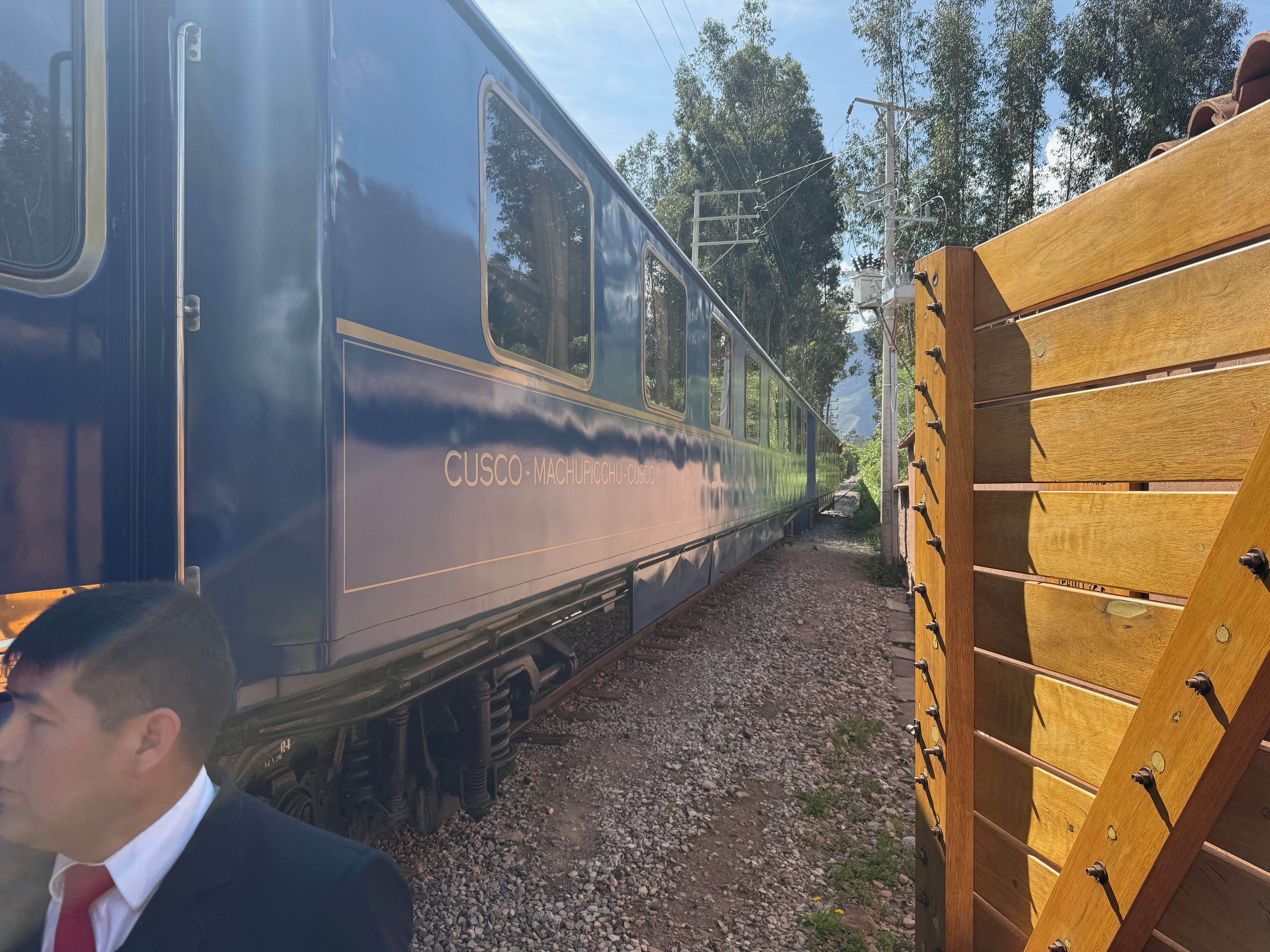


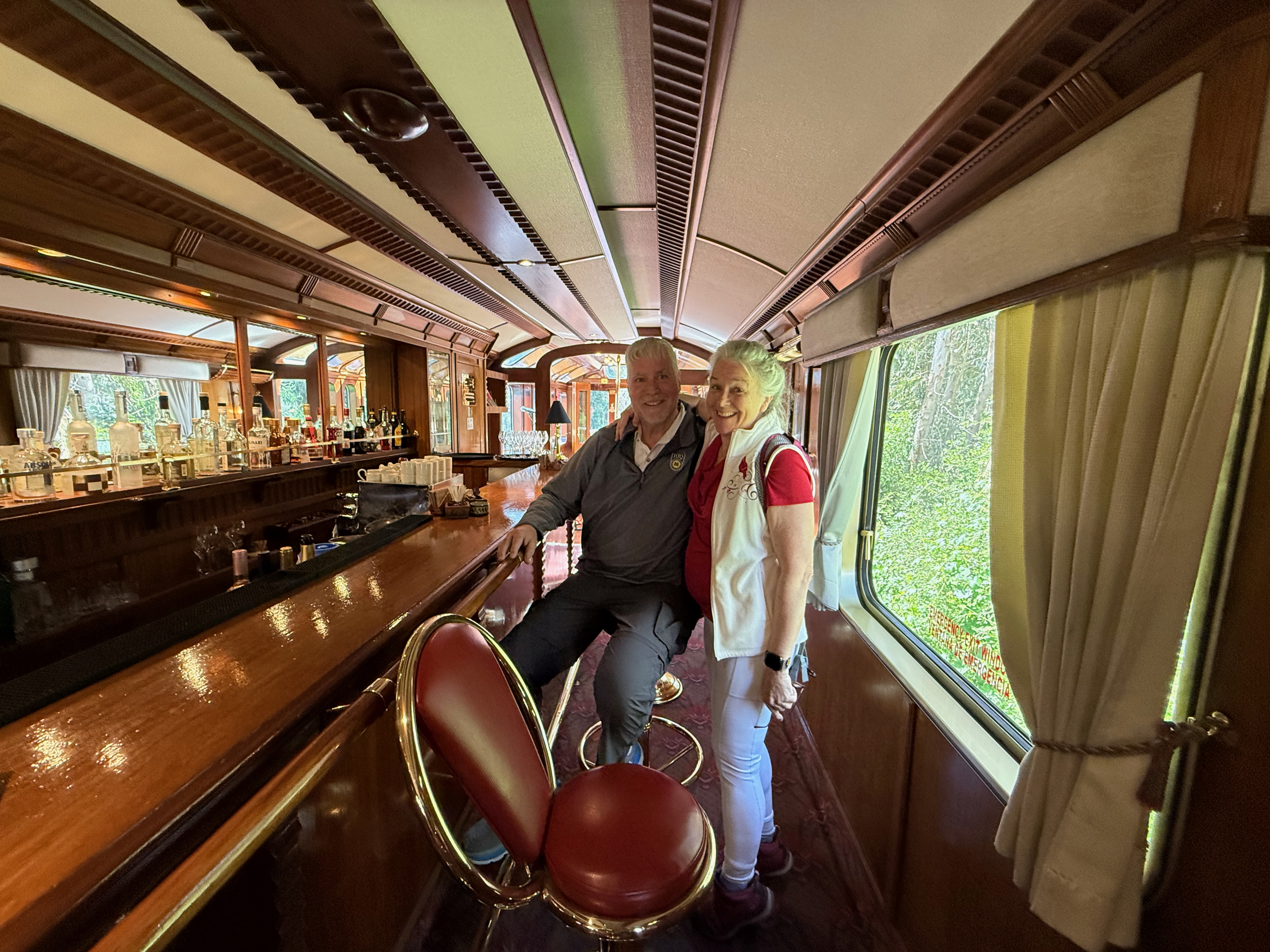

Machu Picchu is one of the most iconic and important sites of the Inca civilization. Located high in the Andes Mountains of Peru,Built in the mid-15th century, likely during the reign of Pachacuti Inca Yupanqui, Machu Picchu is believed to have been a royal estate, ceremonial center, or retreat for the Inca elite. Its exact purpose remains debated. Machu Picchu was never discovered by the Spanish conquistadors, which helped preserve its structures and cultural artifacts. As a result, it offers invaluable insights into Inca life, religion, and engineering.
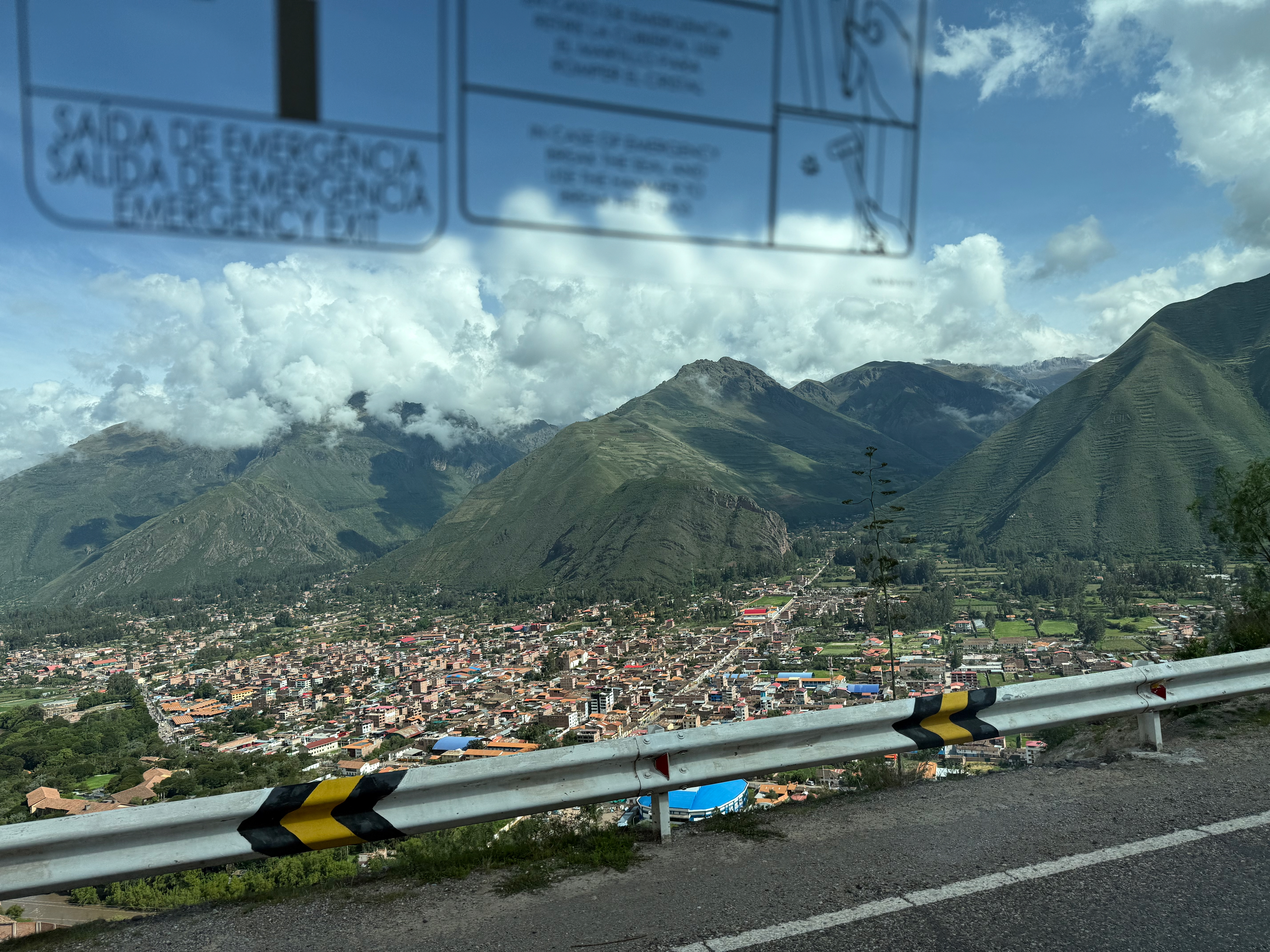
We arrived deep in the Andres mountains at the base of Machu Picchu. We took a very windy steep road via a bus up the mountain with many switchbacks, a narrow road and no guardrails to be seen. The site limits visitors to 4,000 per day and lets in 500 per hour. You had to register with your passport and we had to wait until 2:00pm before they would let us in.
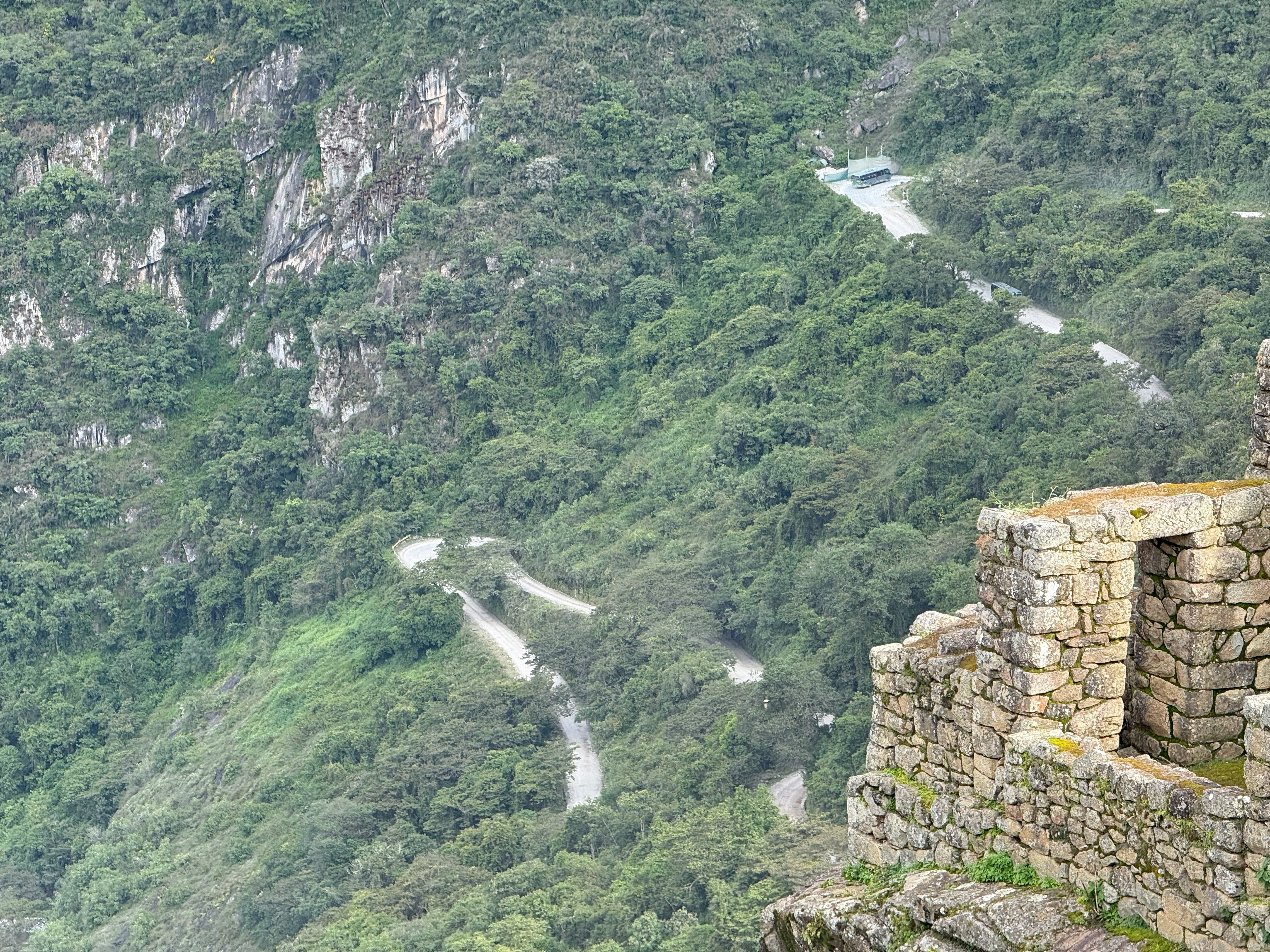

You could walk to the site via the strenuous way and see some fabulous views or an easier route, that still visits the main part of the city. Nana and I took the hard way and we were well rewarded with fabulous views of the city. The weather was perfect, a little cloudy, no rain and not too hot.


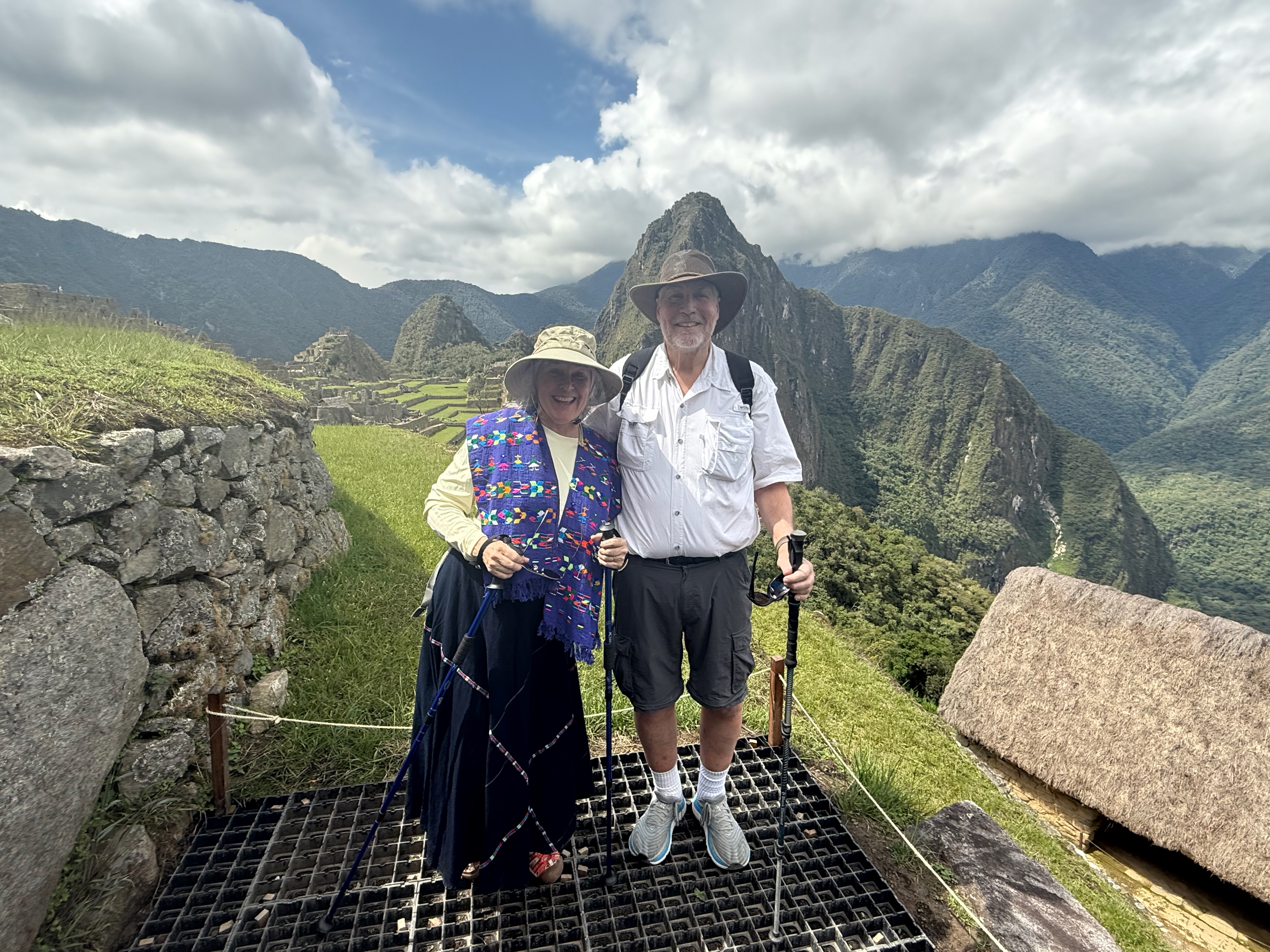
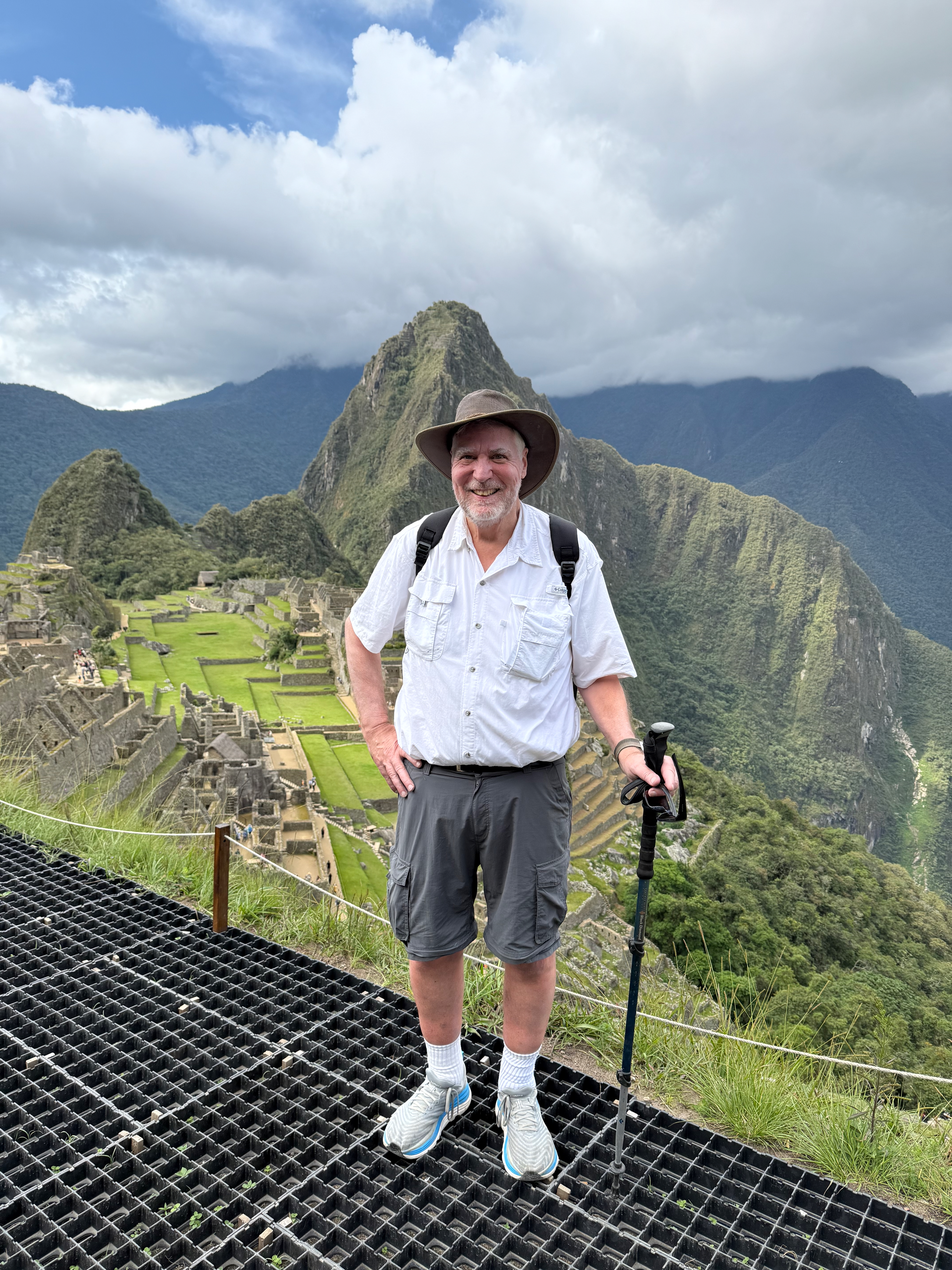
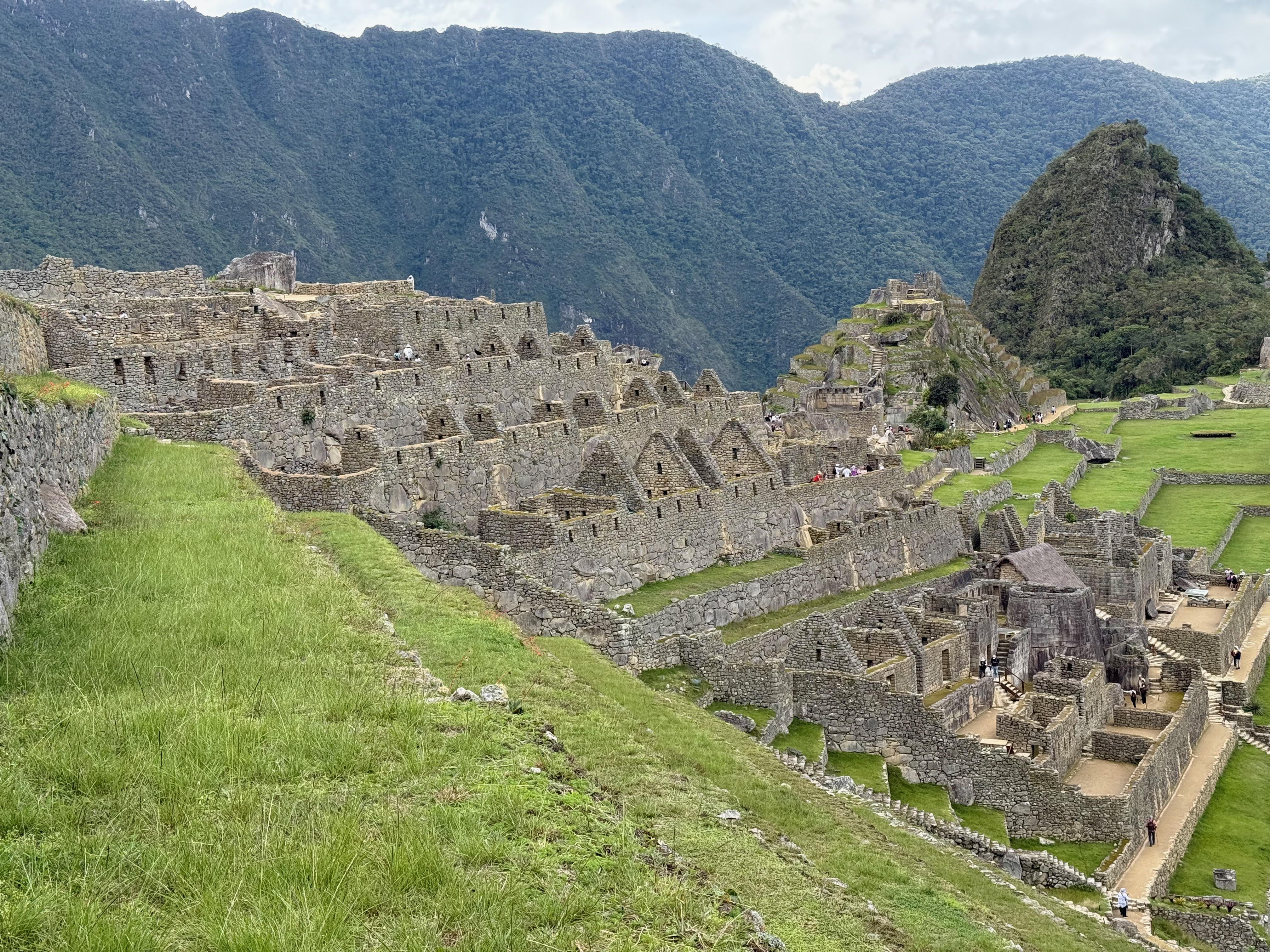

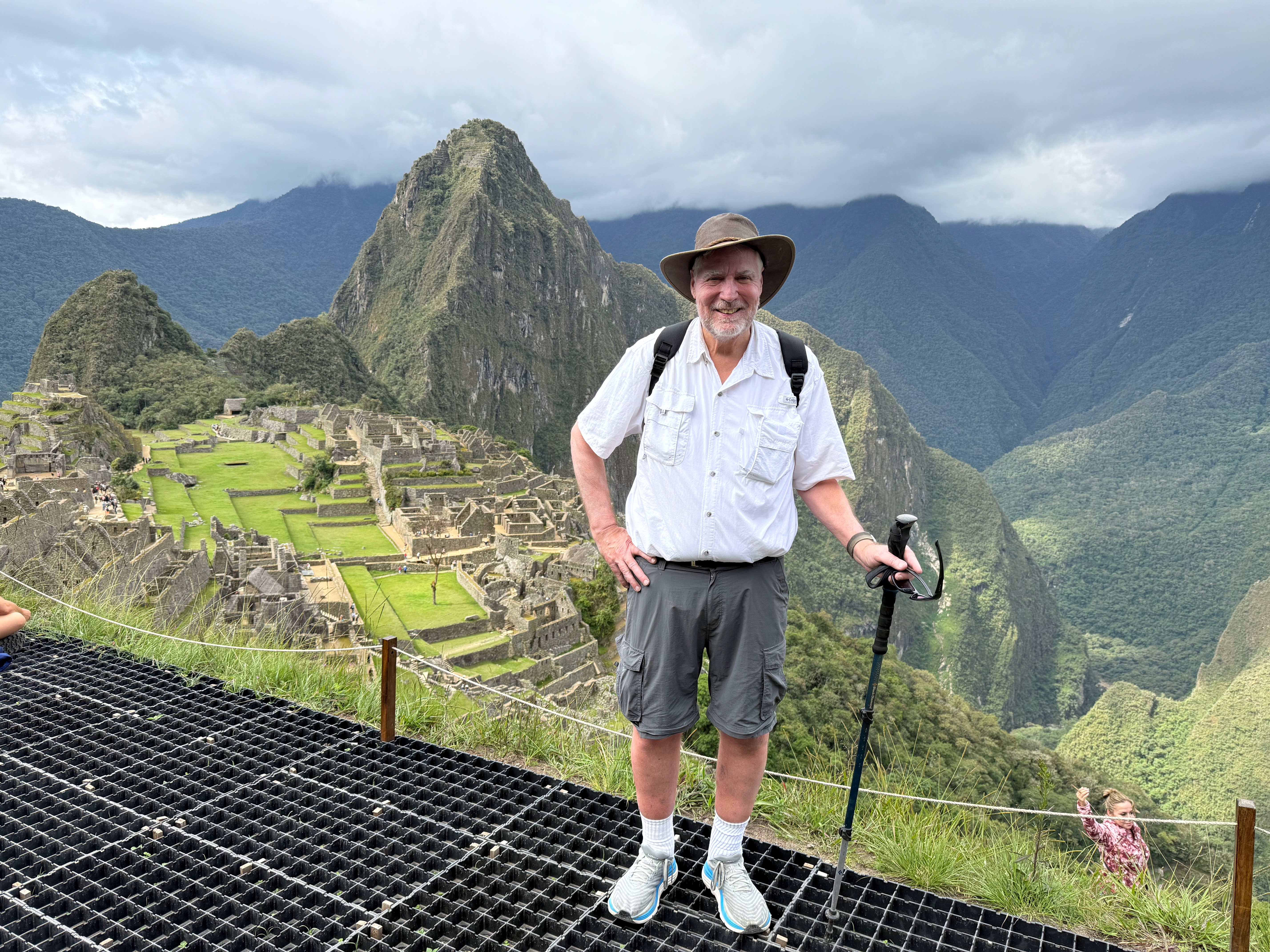


We spend a couple of hours exploring different parts of the city and learned much about the Inca culture and the history of this area.
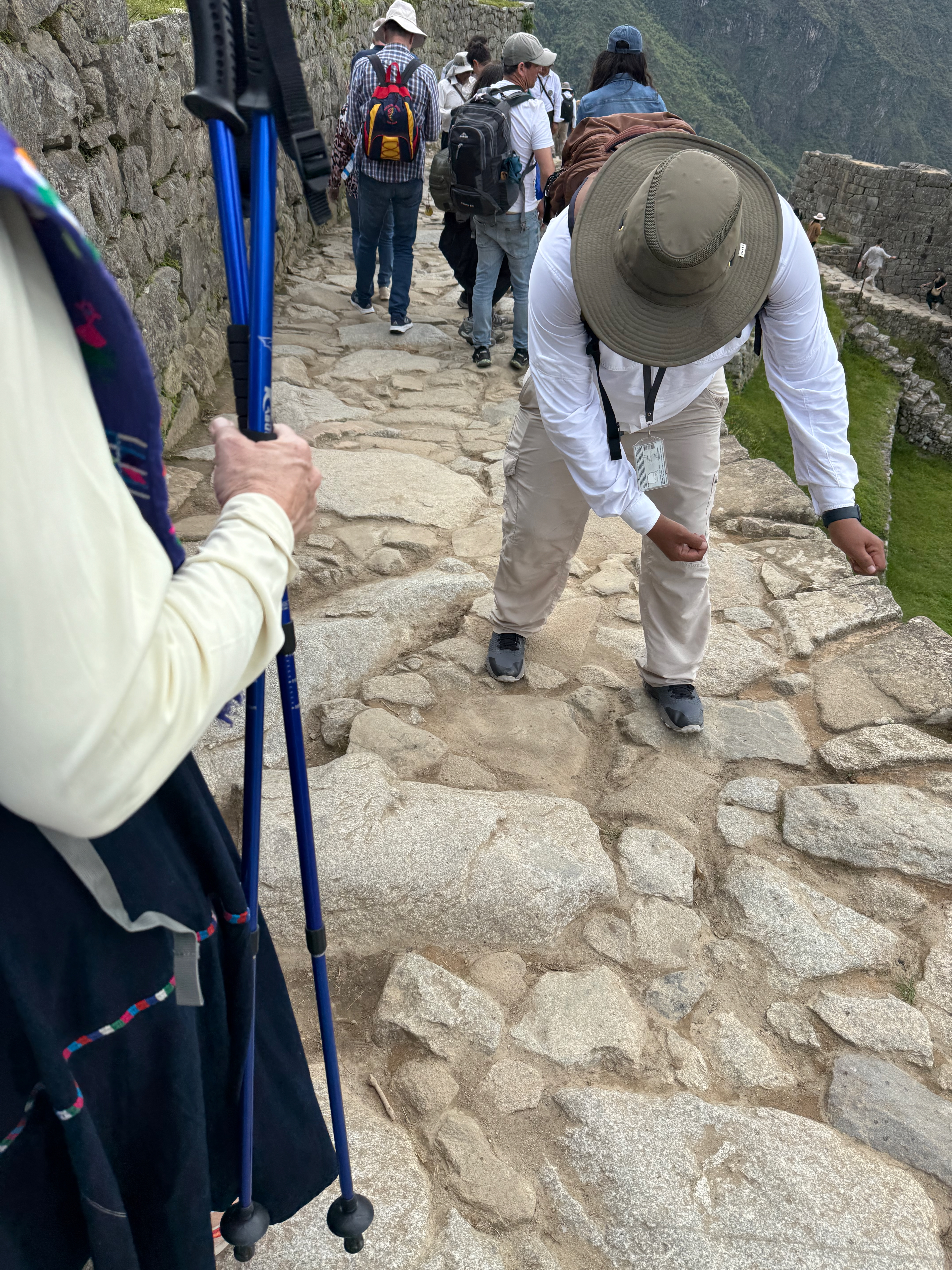
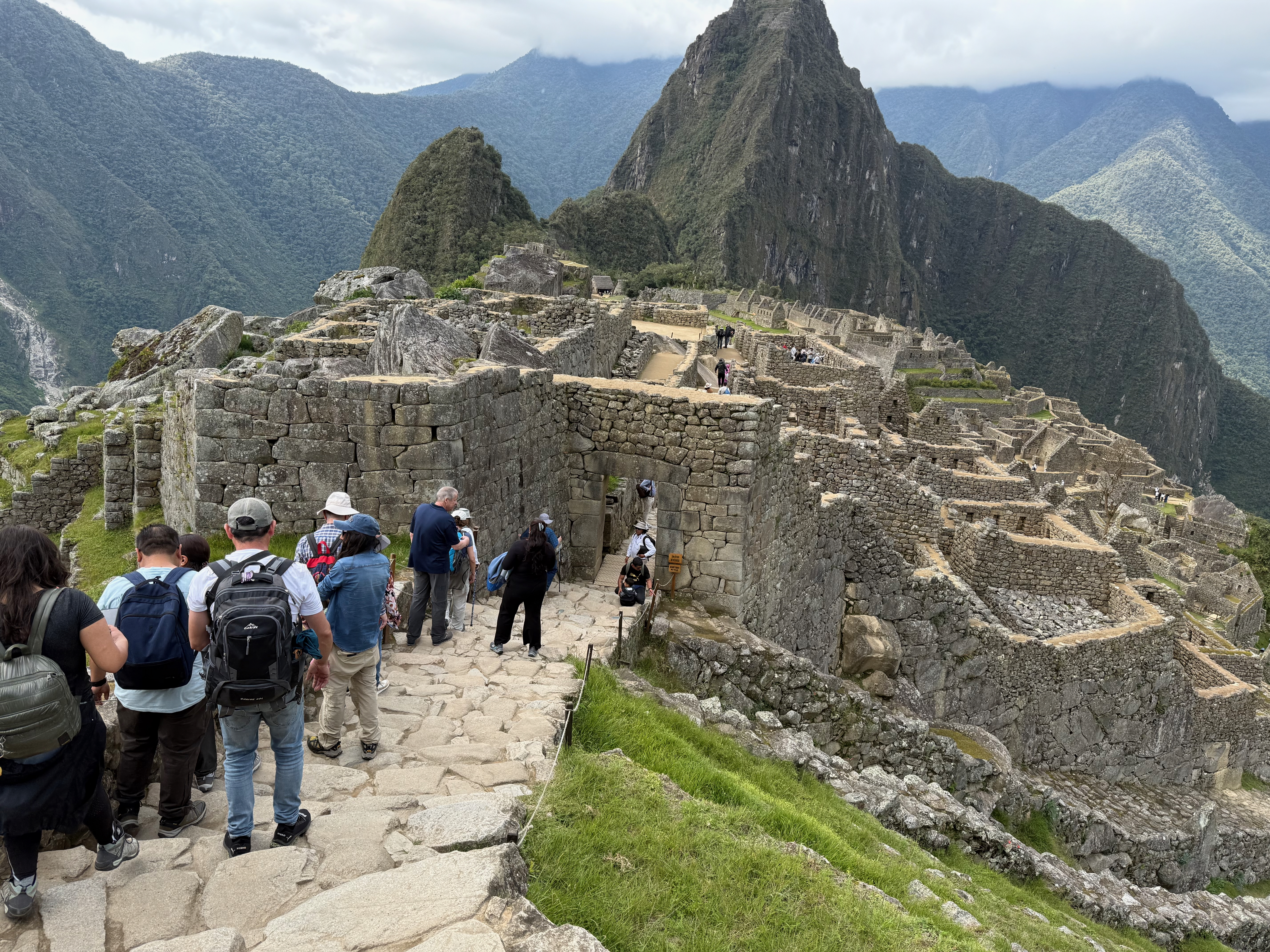
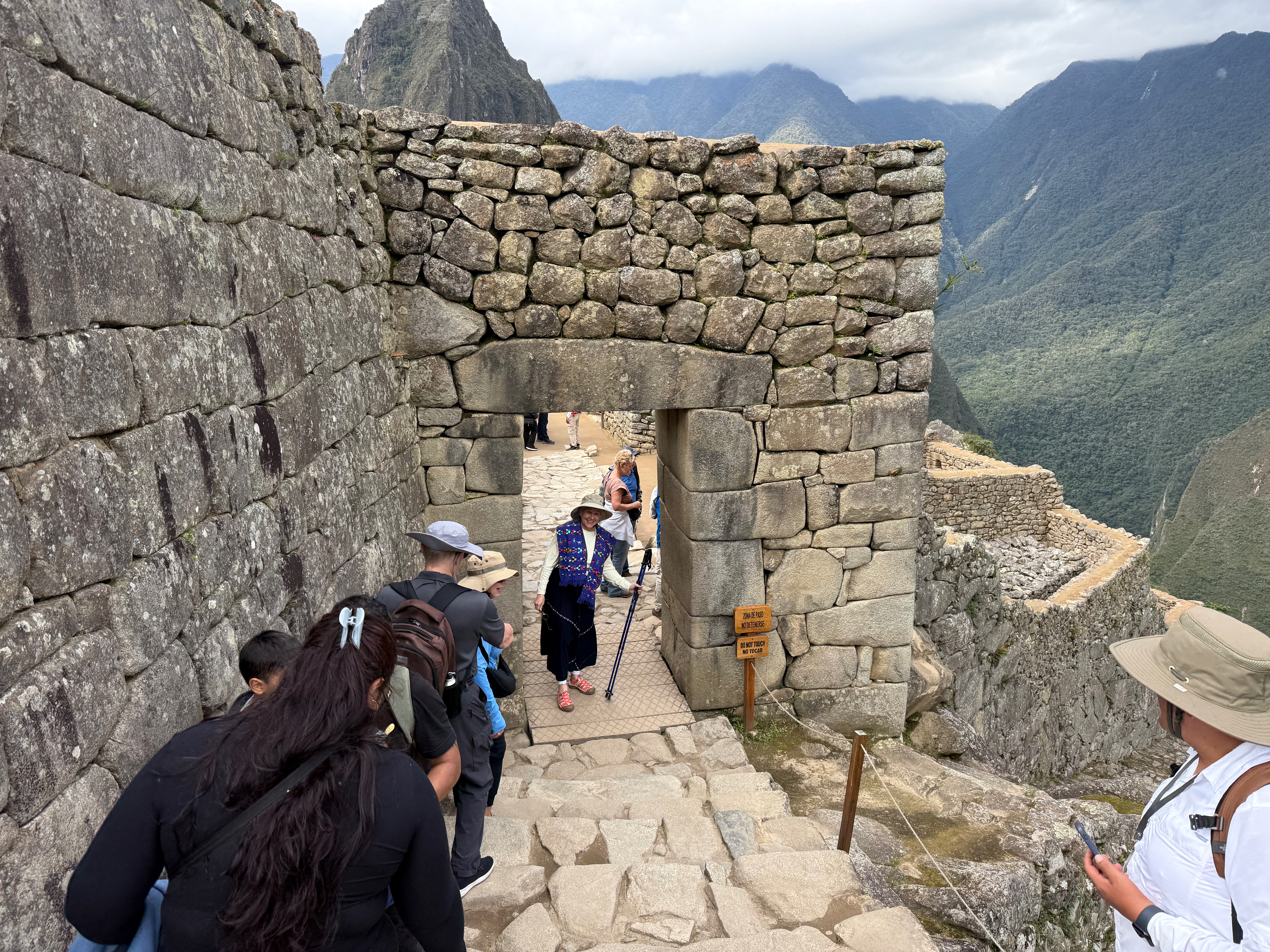
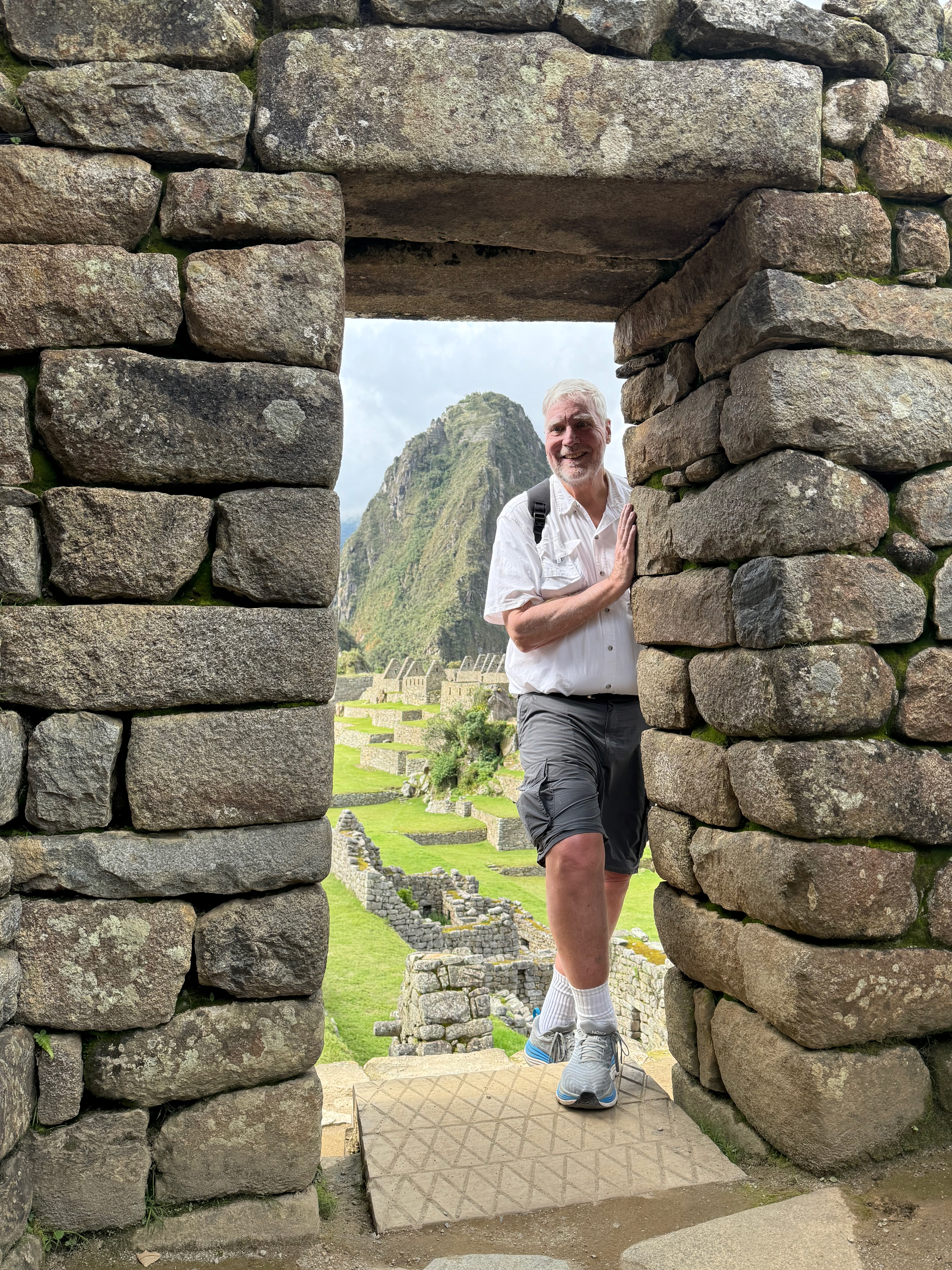


Machu Picchu symbolizes the ingenuity, resilience, and artistic achievements of the Inca civilization. It serves as a connection to Peru’s rich cultural heritage and the enduring legacy of the Inca people. Machu Picchu remains a powerful reminder of the heights of pre-Columbian civilization and its capacity to adapt to and thrive in challenging environments.
After our visit we were treated some traditional Peruvian food and champagne to celebrate our visit. We then boarded the bus to take the windy steep road down to the train station, Nana took advantage of some free time and bought 15 hats for you (our grandchildren) as a souvenir from Machu Picchu. We then boarded our train for the ride back to Cusco. The band came to our table and all of the waiters sang Happy Birthday to Nana. We then took a bus back to our hotel, arriving around 10:30pm. Wake up call was 3:15am in order to take our plane back to Lima and board our ship.
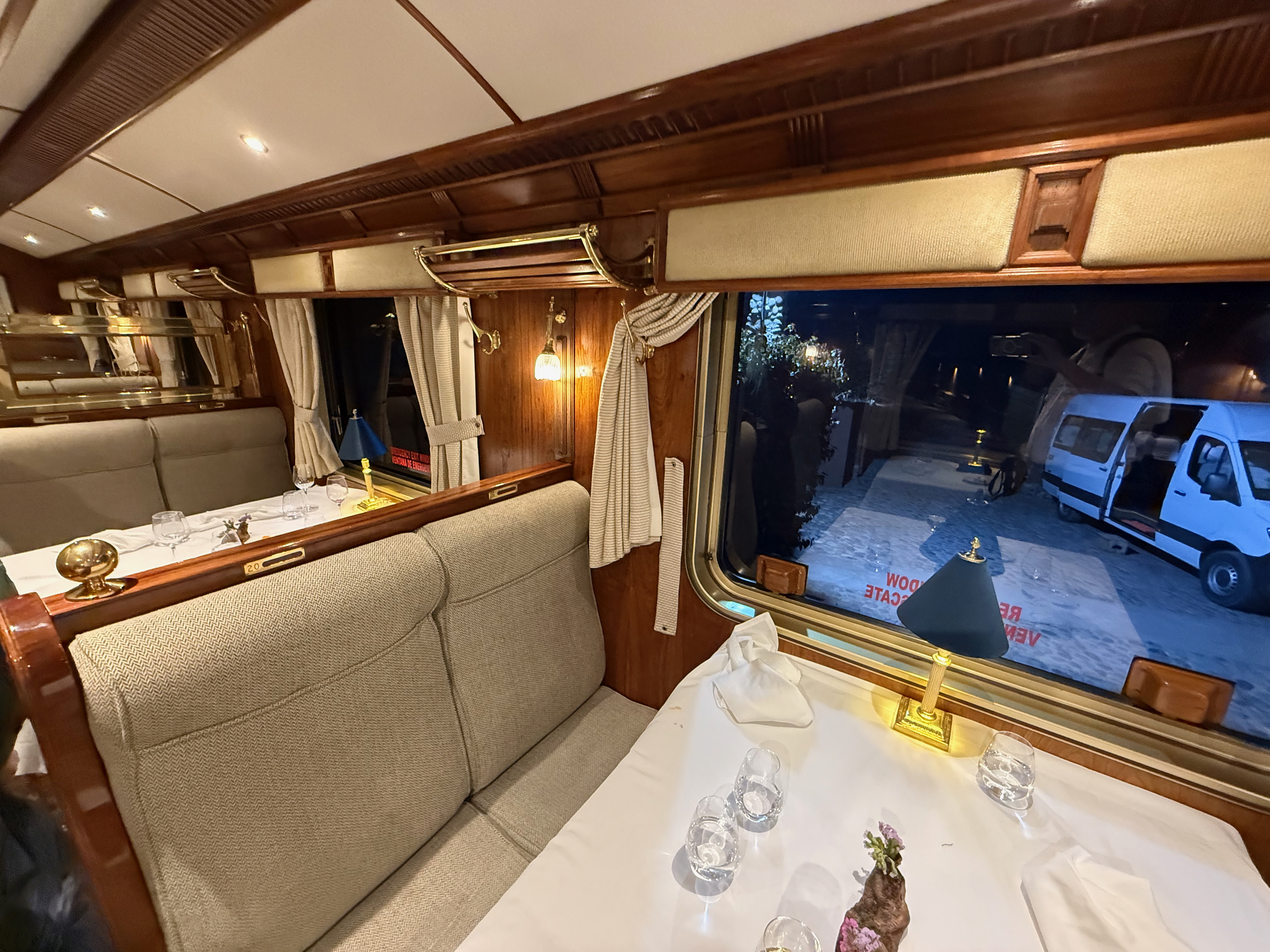
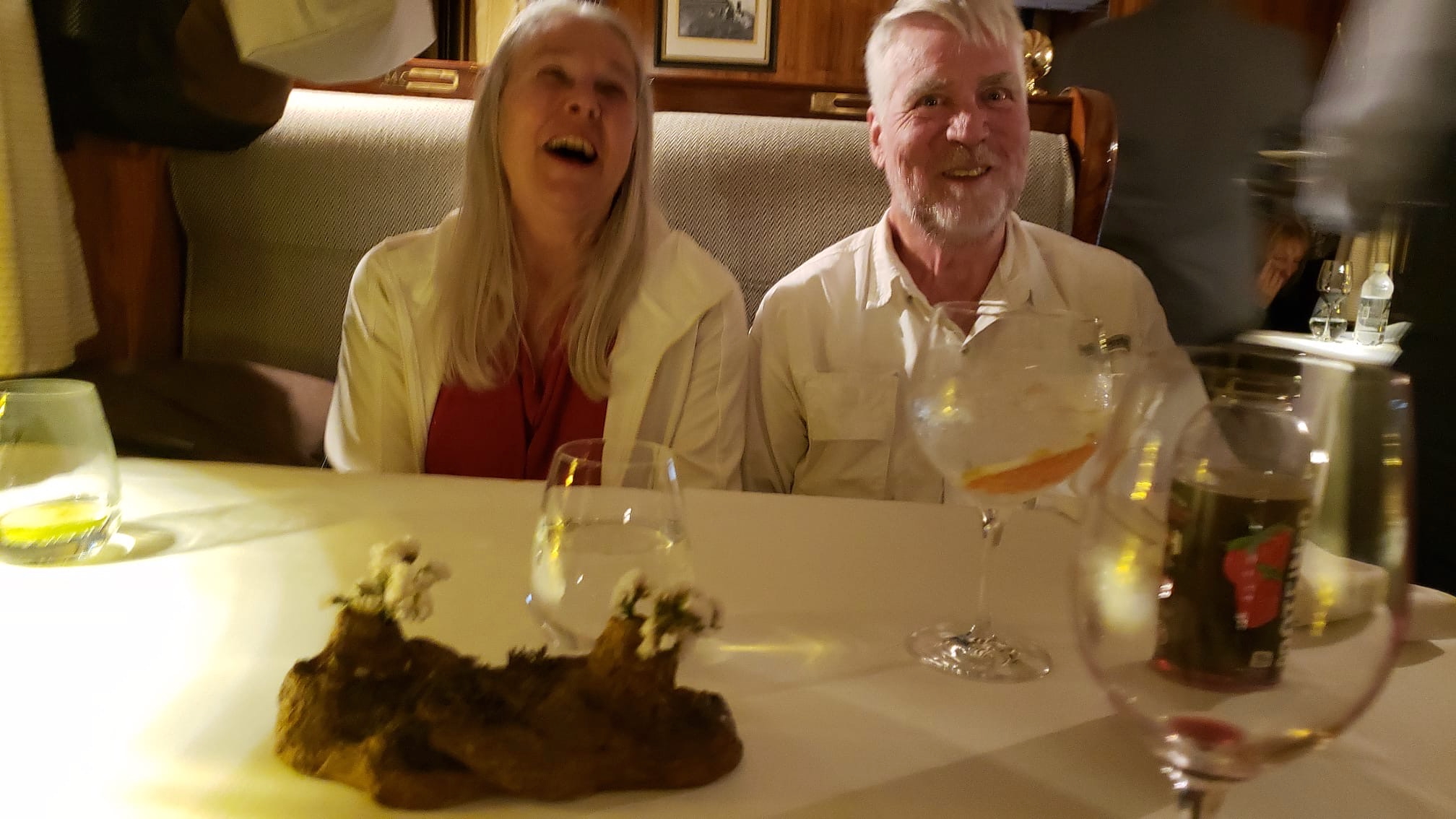
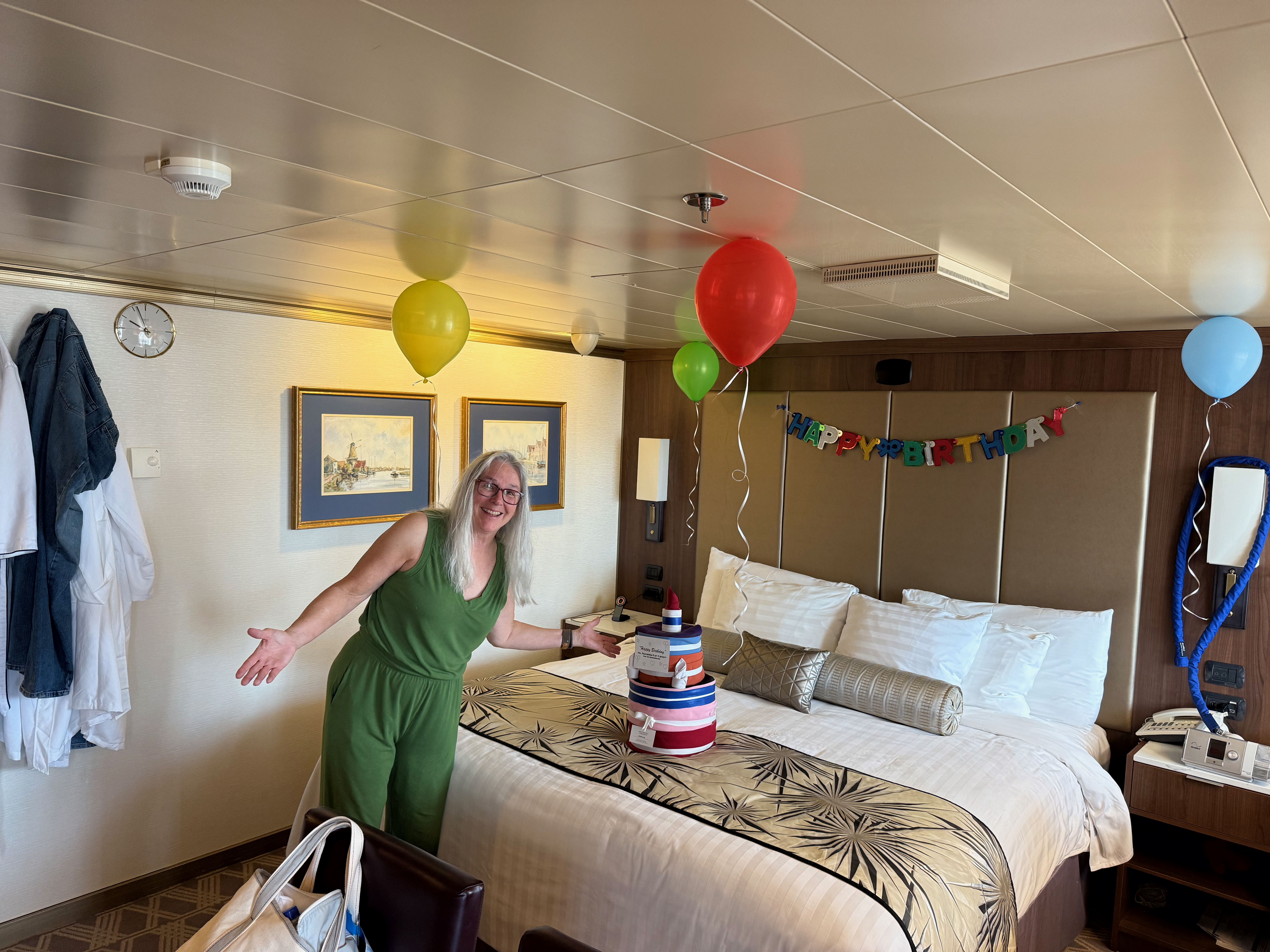
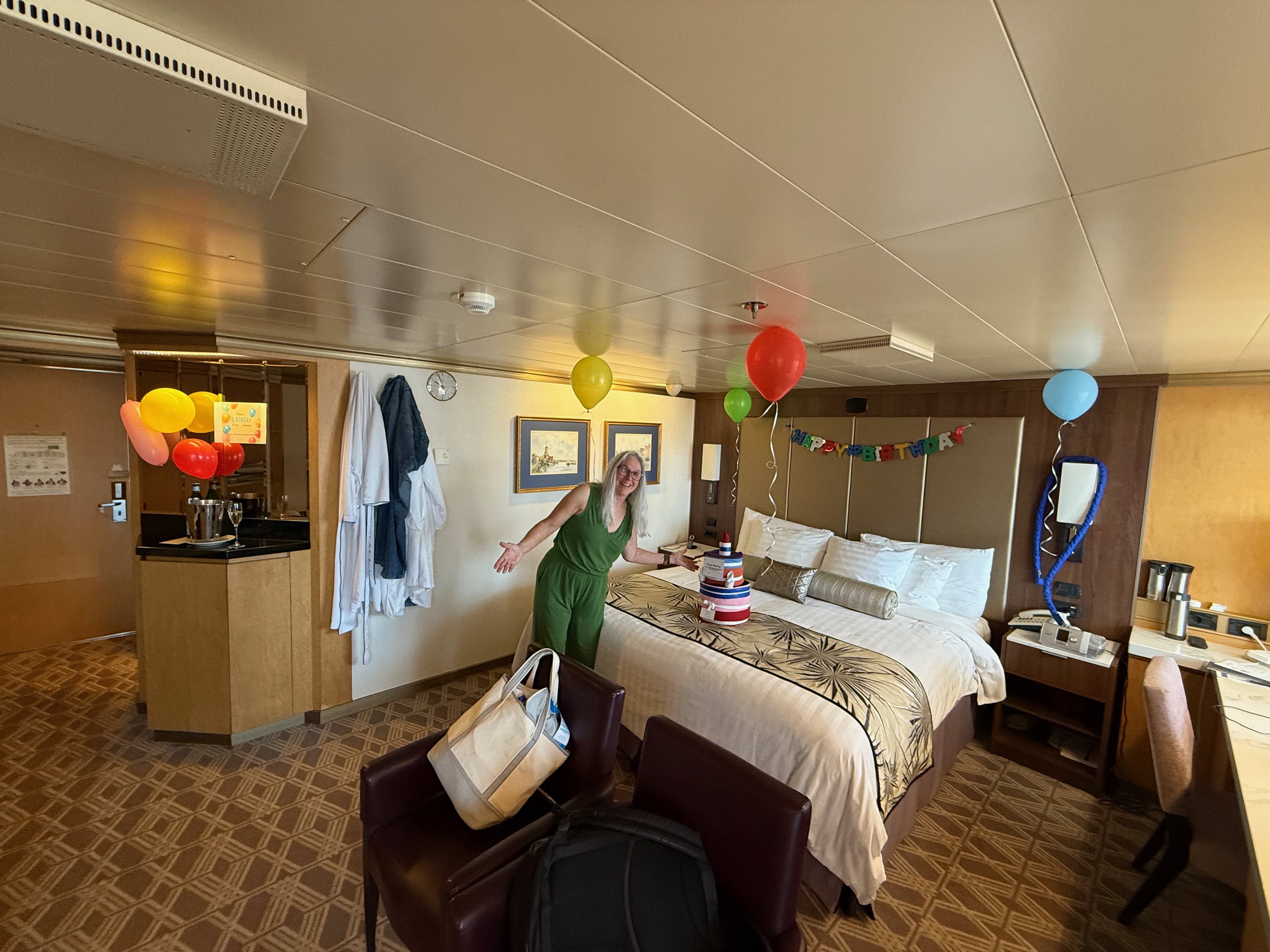
A fantastic journey and one of Nana’s favorite birthdays ! We found our room all decorated for Nana’s birthday when we got back to the ship.

 papa carney
[heart] Nunes, Renato reacted to your message: