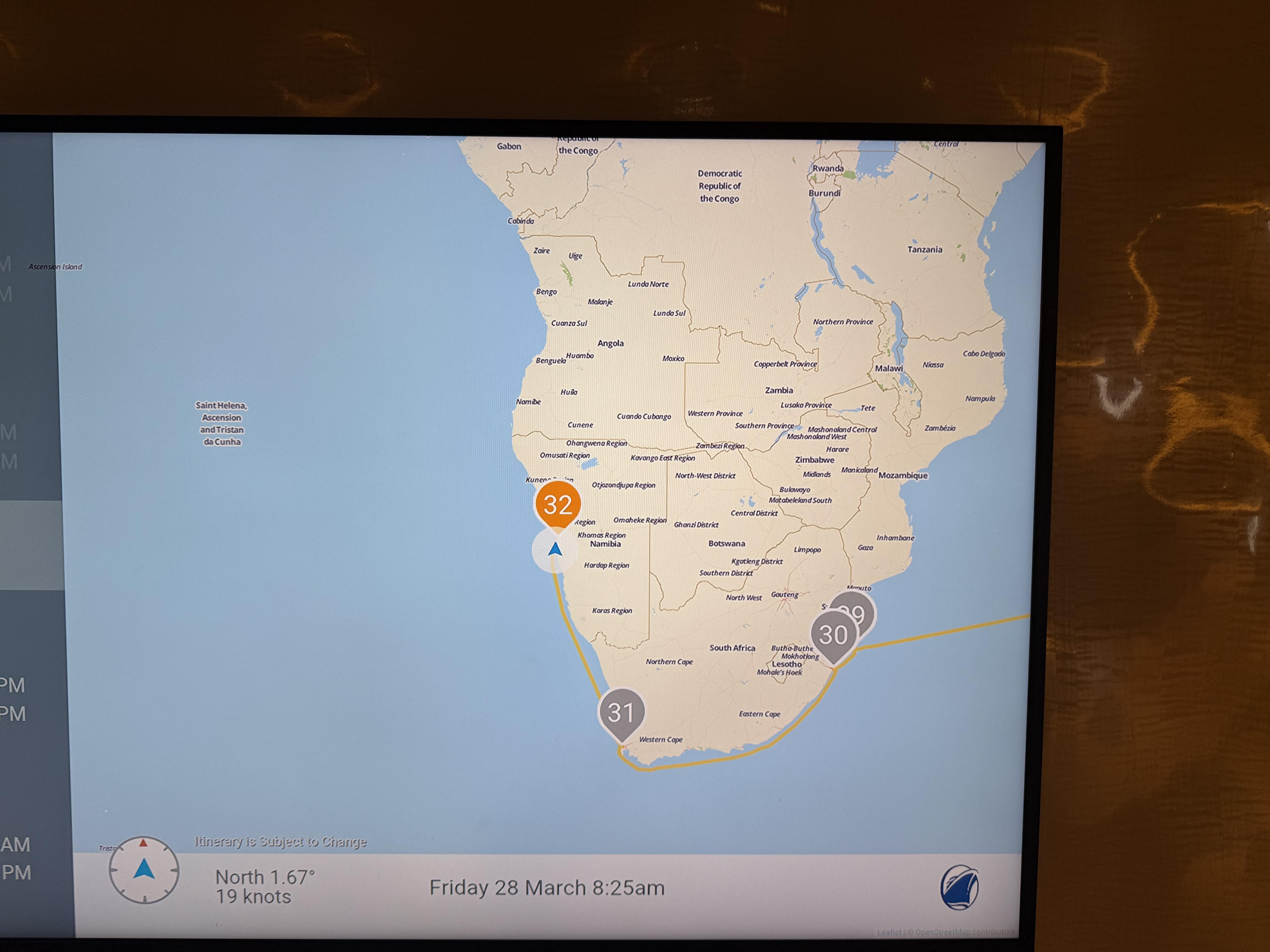
We arrived into Walvis Bay today. Lots of fog coming in and it only cleared up once we were in the bay. Walvis Bay, meaning “Whale Bay,” is a coastal city in west-central Namibia along the Atlantic Ocean. It serves as the country’s principal port, featuring a natural deep-water harbor protected by the Pelican Point sand spit. This harbor has historically attracted vessels due to its safety and abundance of marine life, including plankton and various fish species. The city’s economy is primarily driven by port activities, fishing, and related industries. Notably, Walvis Bay has been identified as a strategic location for offshore oil exploration. In 2022, TotalEnergies discovered a significant oil field estimated at over 3 billion barrels in the nearby Orange Basin, positioning Namibia as a potential emerging player in the offshore oil sector. Tourism also plays a role in Walvis Bay’s economy. Visitors are drawn to attractions such as Dune 7—one of the tallest sand dunes in the world—and the Walvis Bay Lagoon, renowned for its large populations of flamingos and other migratory birds. Walvis Bay has a complex colonial history. Initially annexed by the United Kingdom.
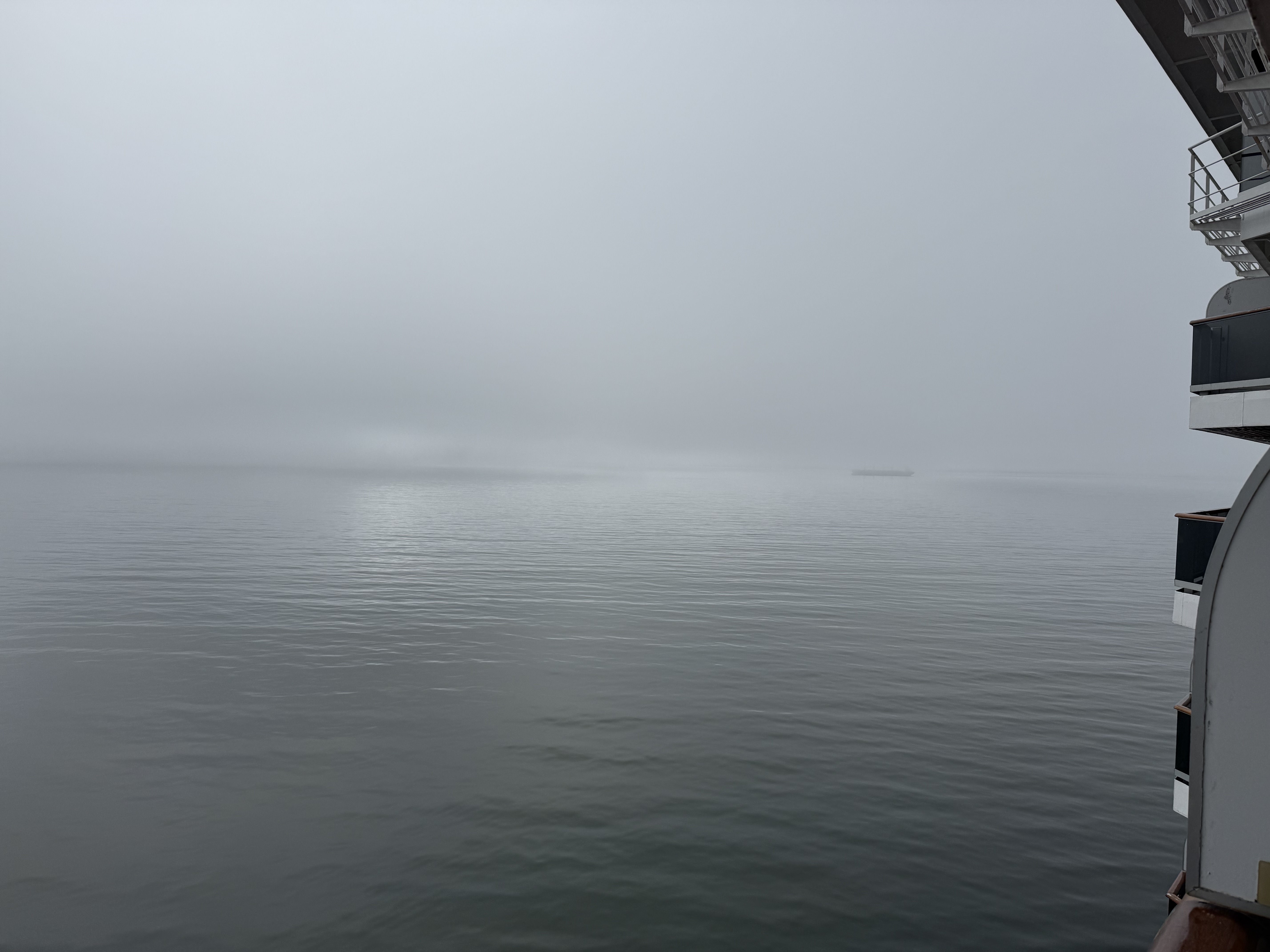
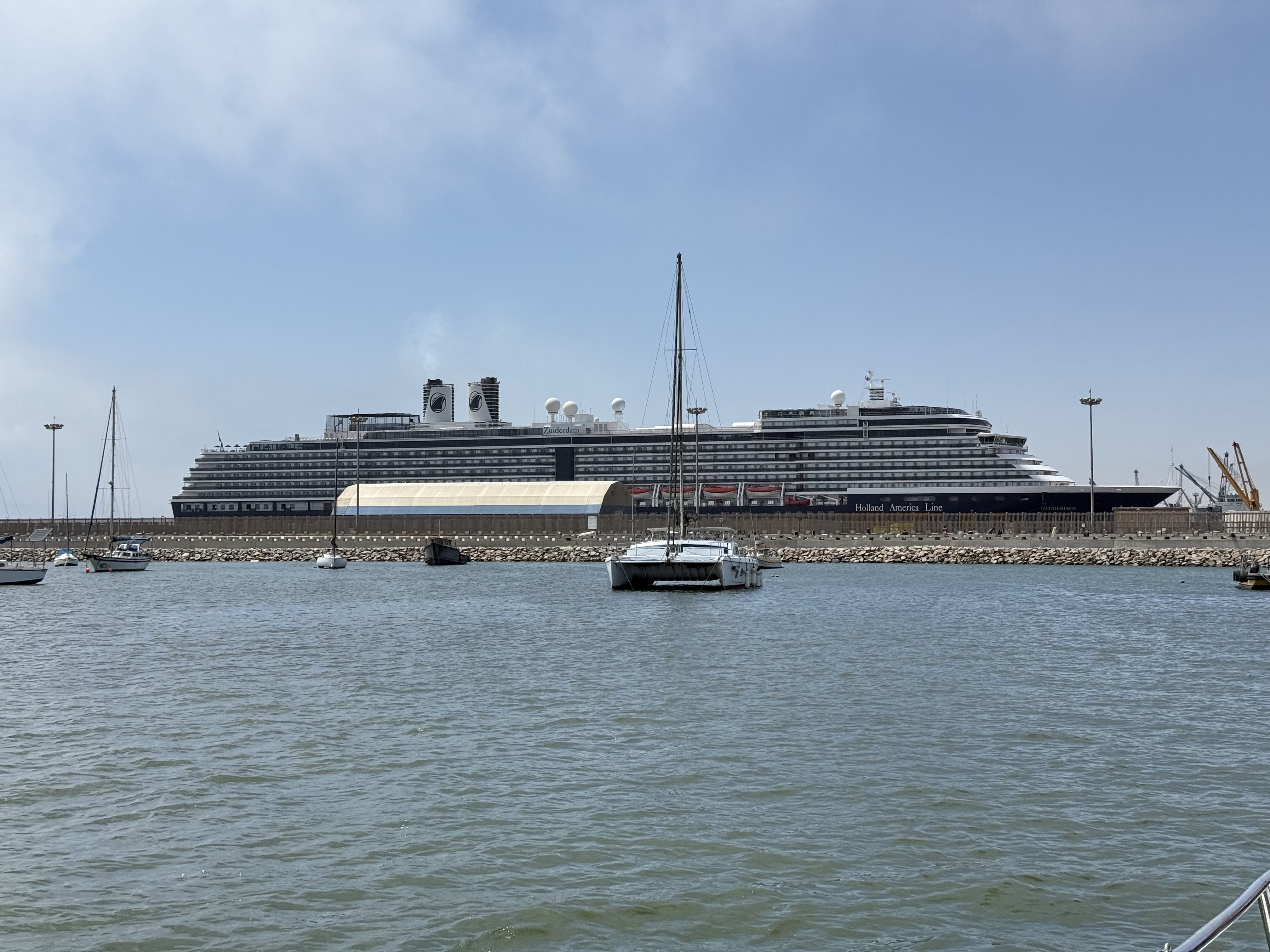
Our captain yesterday explained that we will be passing some diamond mining ships on our way into Walvis Bay. Offshore diamond mining is a major activity in Namibia, especially off the coast near towns like Walvis Bay and Lüderitz. Specialized ships, often referred to as “diamond mining vessels”, use advanced technology to suck up seabed sediments from the ocean floor. Process the material onboard to extract diamonds. The ships are like floating factories—one of the newest, the Benguela Gem, is said to be the most advanced diamond recovery vessel in the world. More than 95% of Namibia’s diamonds by value now come from offshore mining. These diamonds are often better quality than land-based ones and protected from erosion and contamination by ocean conditions. While the government and companies claim to follow sustainable practices, there’s ongoing debate about the impact on: seabed ecosystems, marine life disruption, and long-term environmental health.
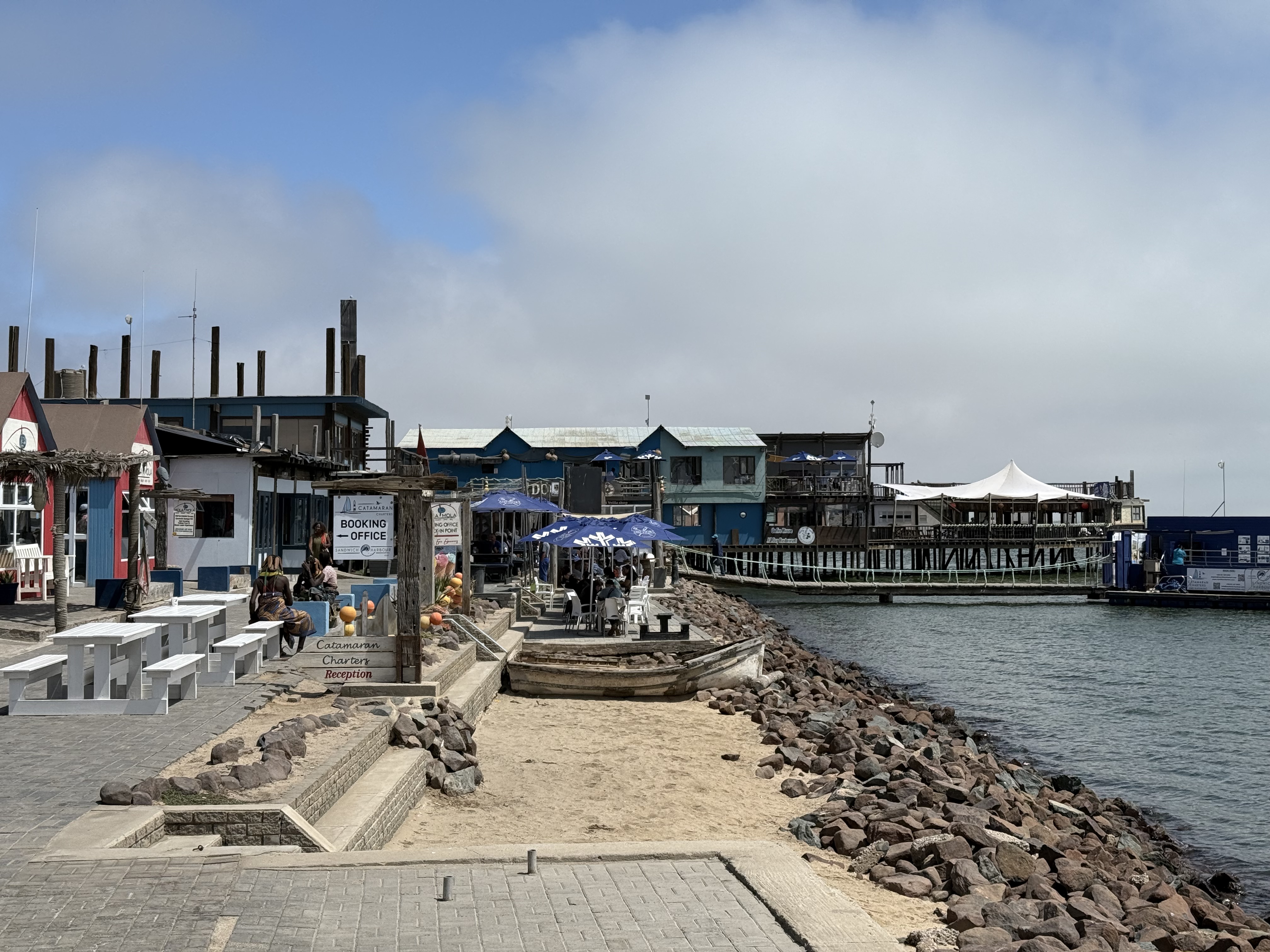
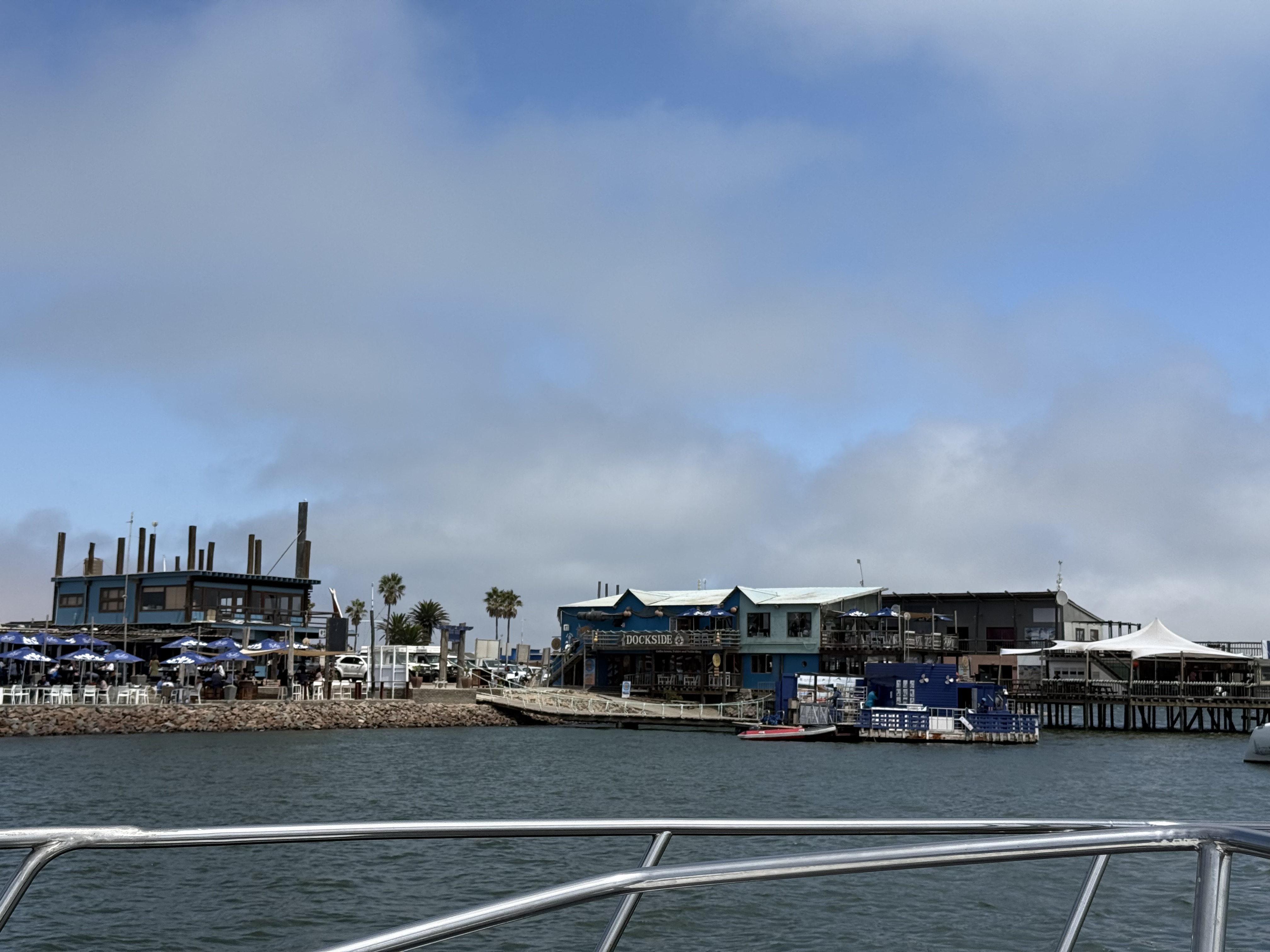
Today our excursion is the dolphin and seal safari. We took a short drive from the harbor to the jetty and boarded an open speed boat for a three-hour cruise on the Walvis Bay Lagoon. The water here is very calm and abounds with bird and marine life. The boat cut across the lagoon and we saw the moored Russian trawlers, fishing boats and many oil explorations boats.
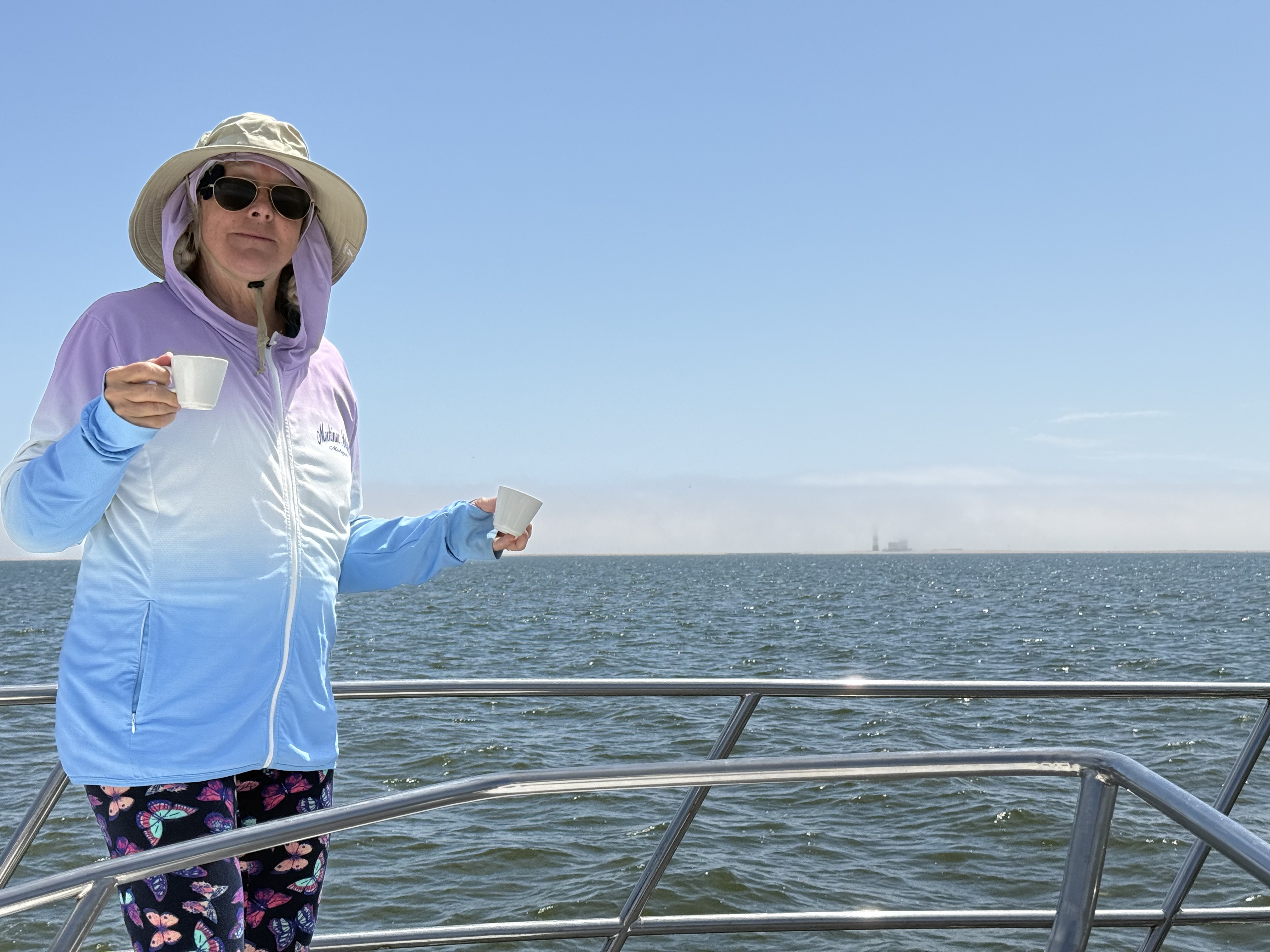
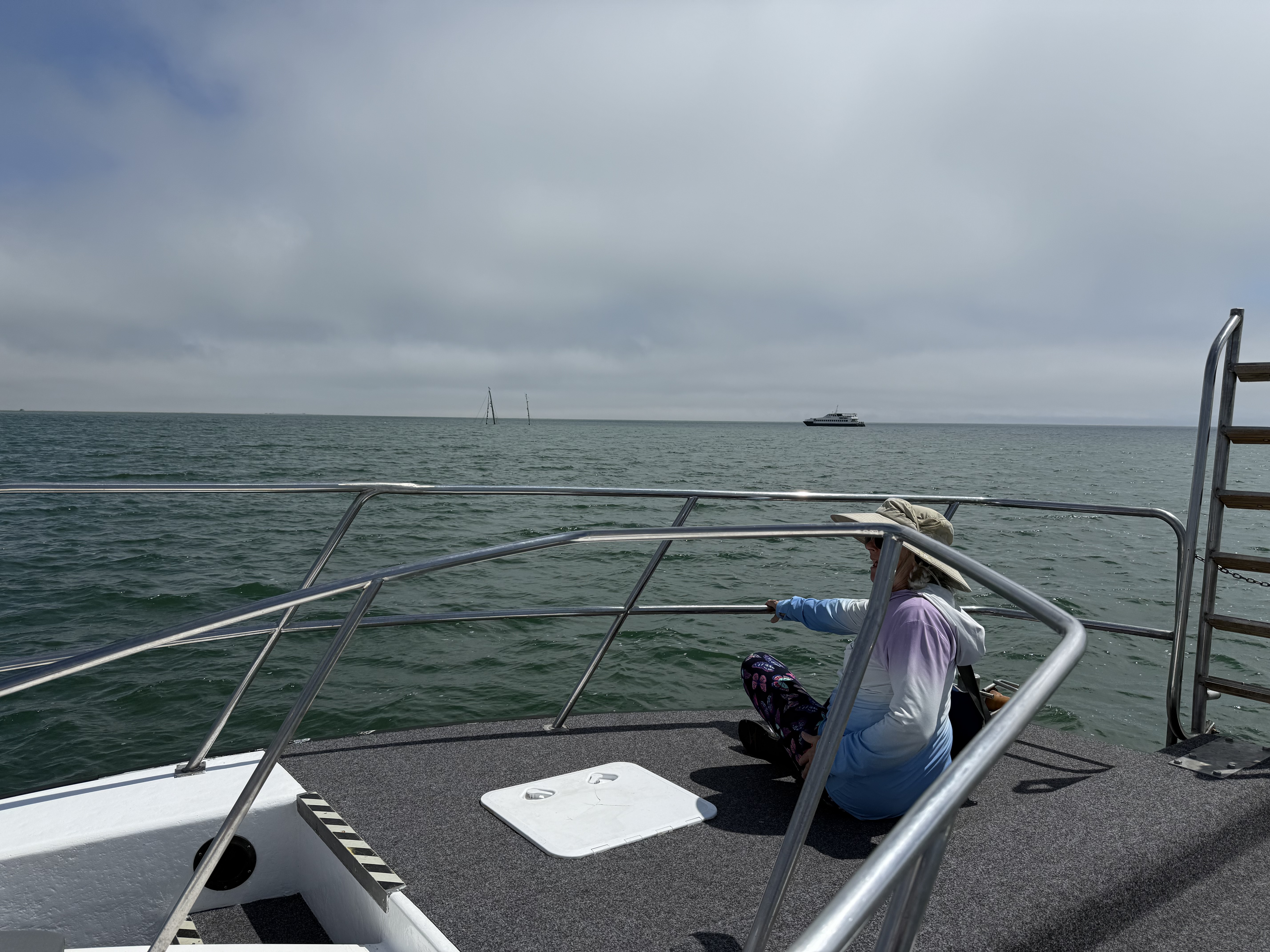
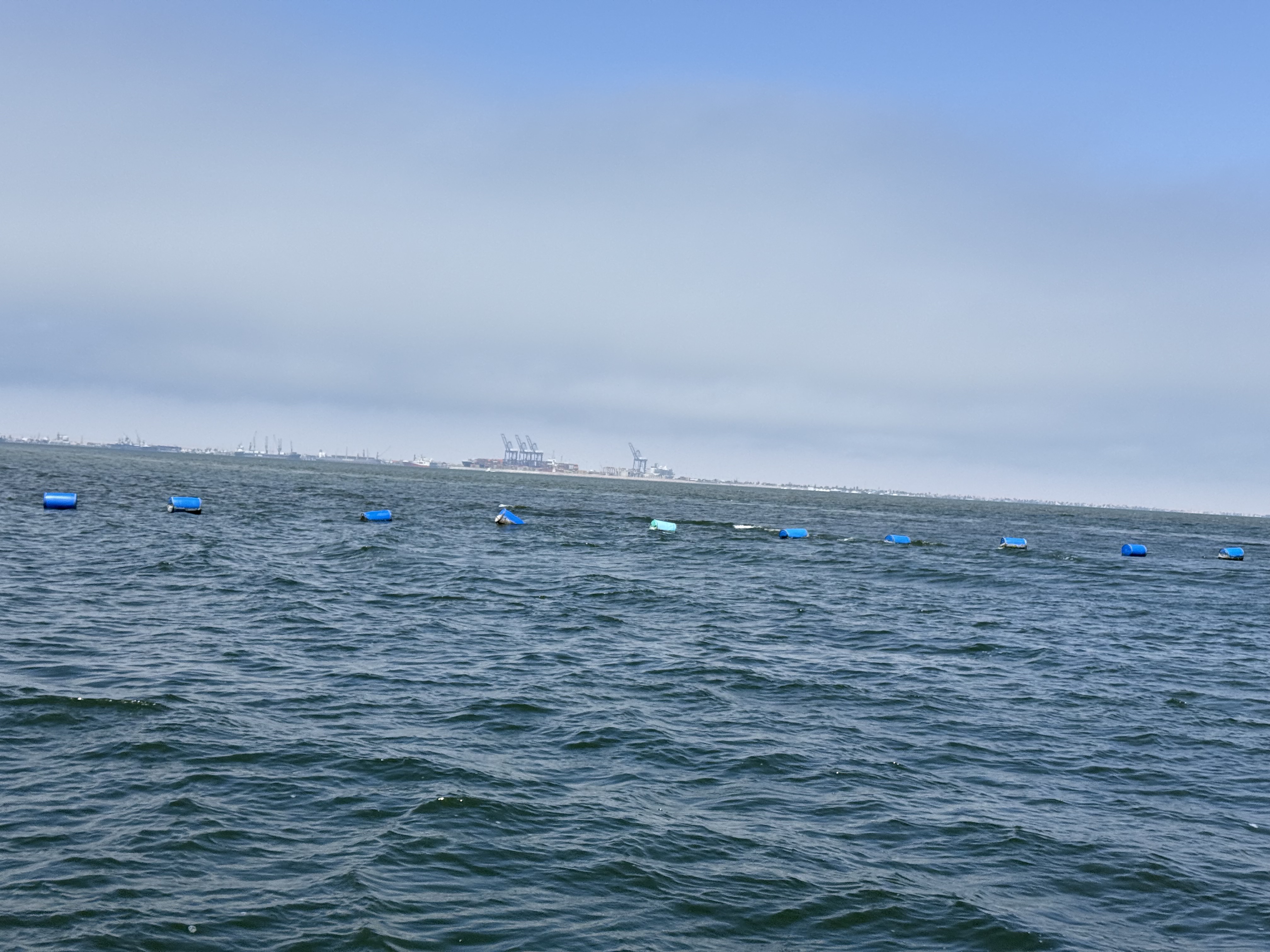
We saw several oyster farms out in the bay. Oyster farming has become a cornerstone of Namibia’s marine aquaculture sector. Initially, the primary market was South Africa, but in recent years, Namibian oysters have gained popularity in Asian markets, including Hong Kong and Beijing. Namibian oyster farms primarily raise the Pacific oyster (Crassostrea gigas). The cultivation journey often begins with oyster spats (juvenile oysters) sourced from hatcheries. These spats are initially grown in areas like Lüderitz for about 12 months before being transferred to Walvis Bay. Here, the abundant nutrients enable rapid growth, allowing the oysters to reach market size faster than in many other regions. Interesting fact is that the oysters can breed in the cold water here but grow faster here than most other places.
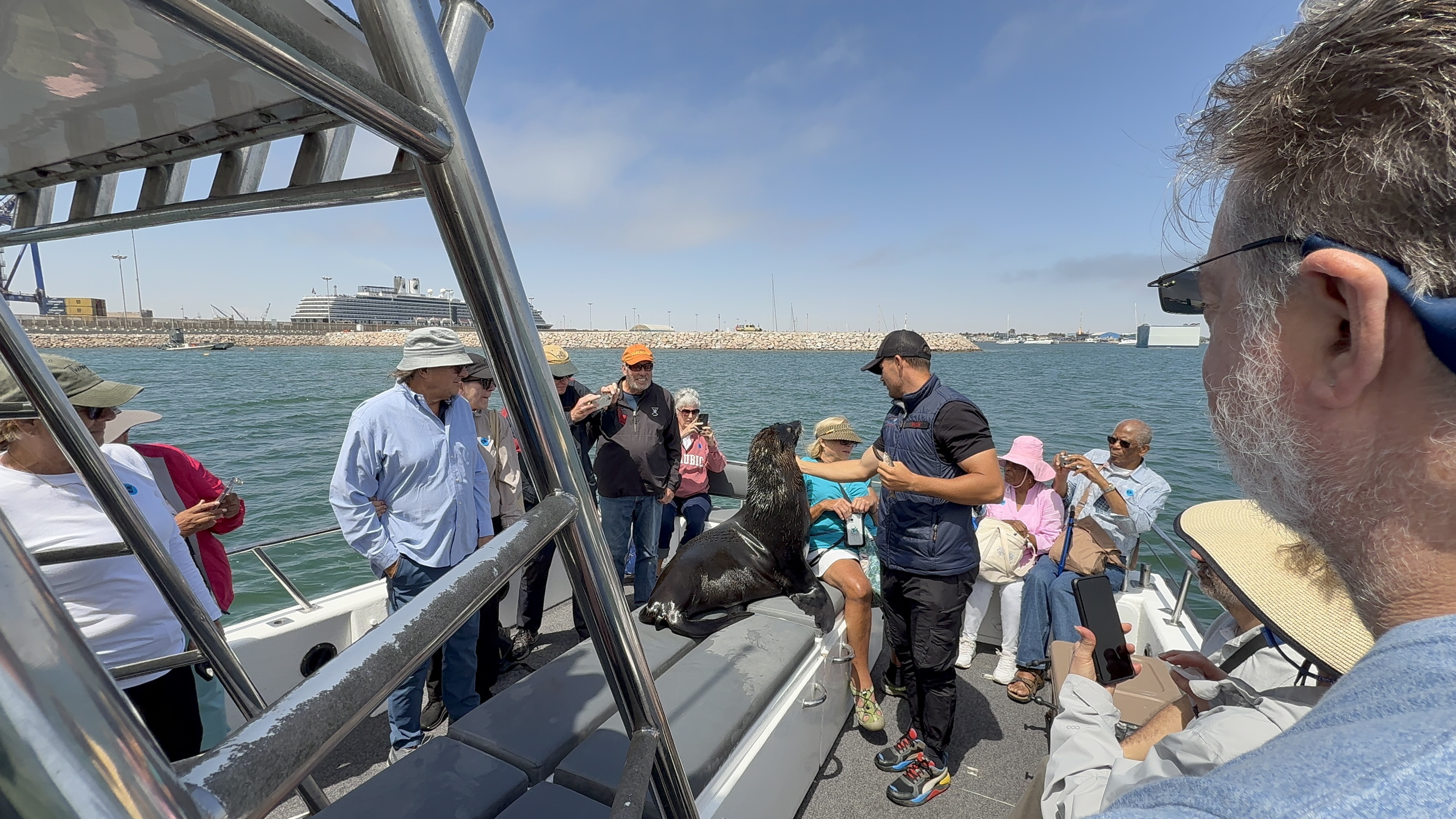
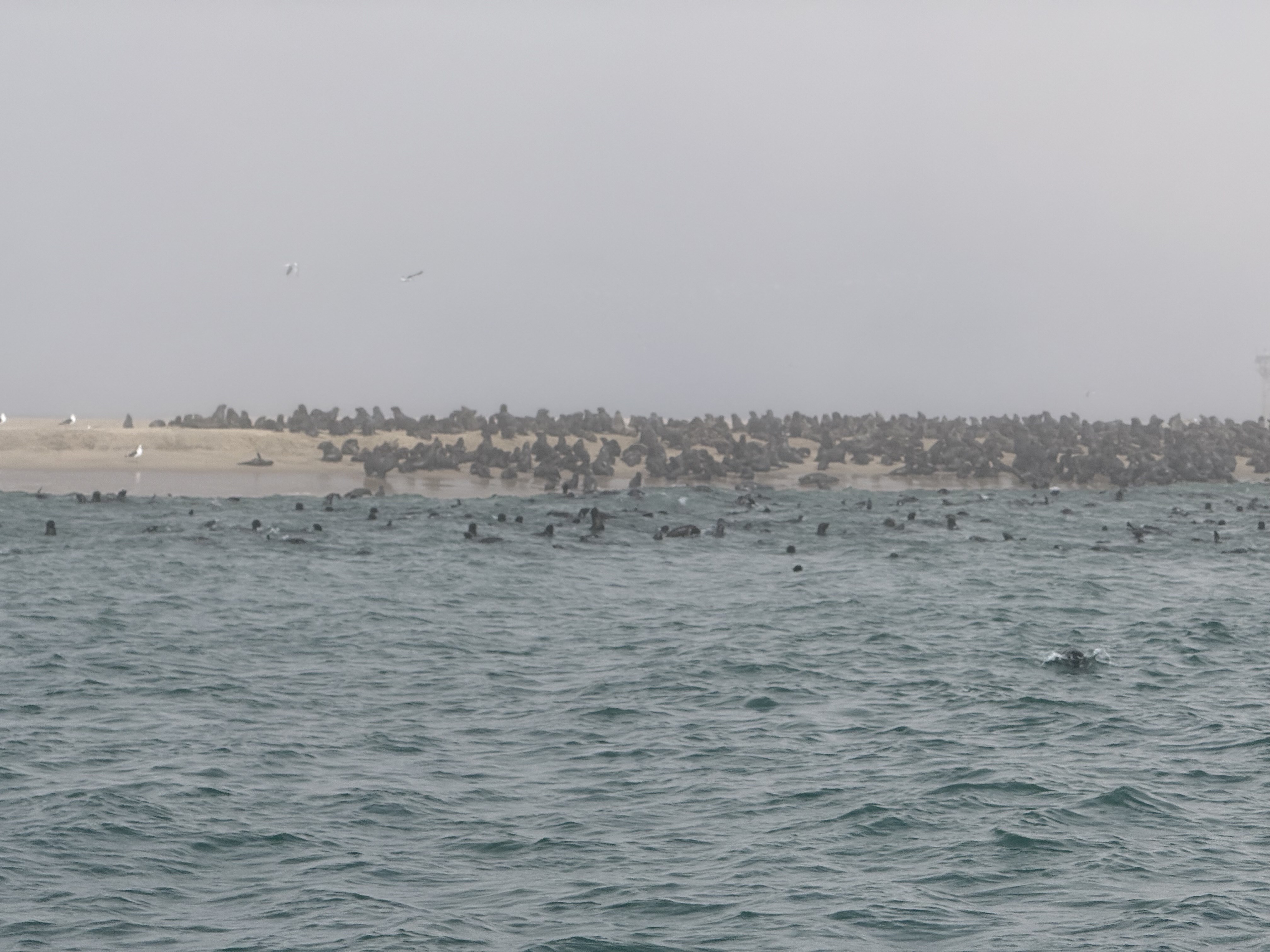
The big attraction in the bay are the seals. Walvis Bay is home to a significant population of Cape fur seals (Arctocephalus pusillus pusillus). These seals are particularly abundant at Pelican Point, a sand spit that shelters the bay and hosts a colony of up to 50,000 individuals. Our guide invited a seal to come on board and visit with us. This seal is wild but knows the boat and the guide and of course get’s his breakfast whenever tourists are in town. He put on a great show for us.


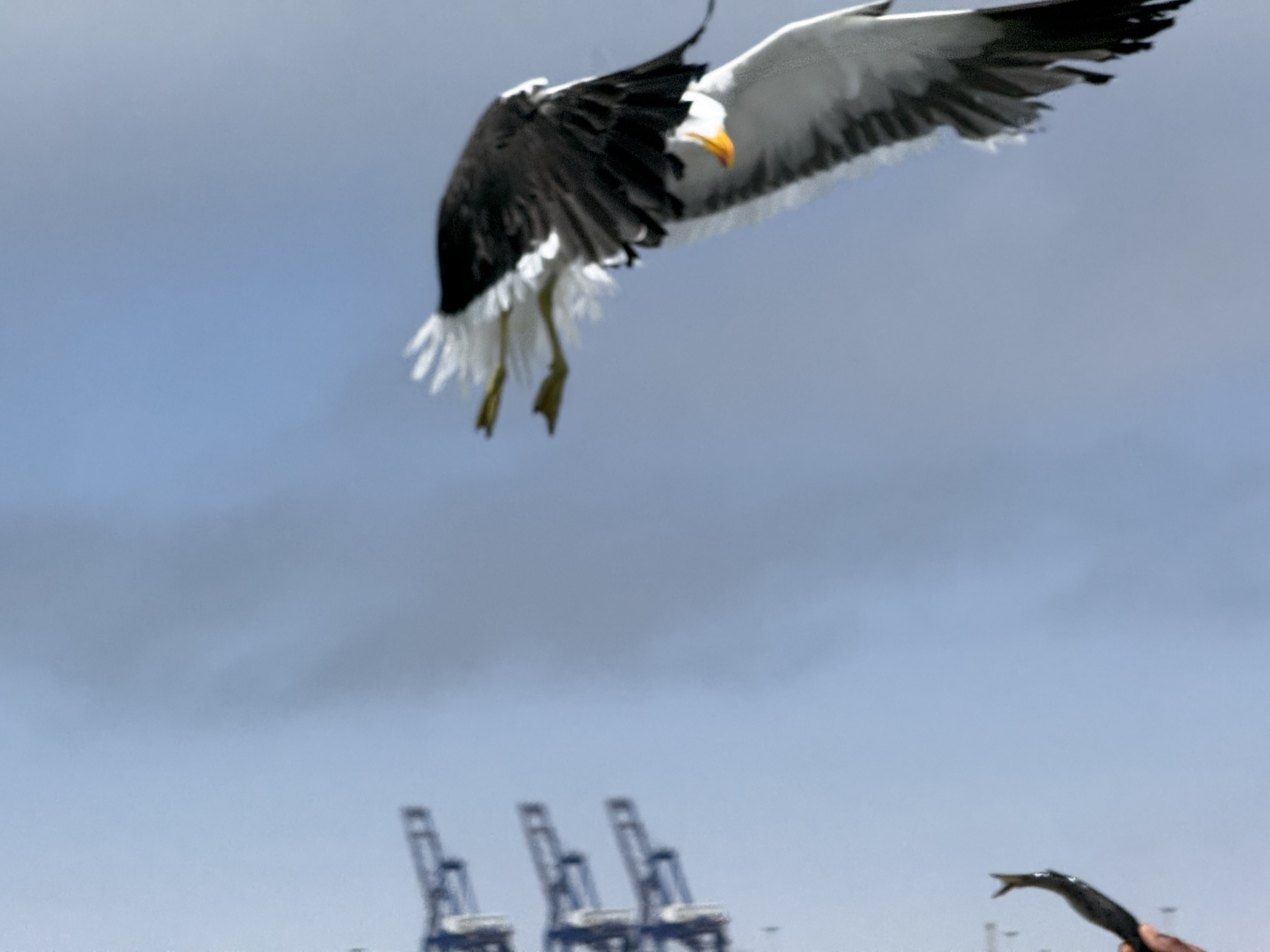
We also fed some seagulls that caught the fish mid air while flying into the wind.

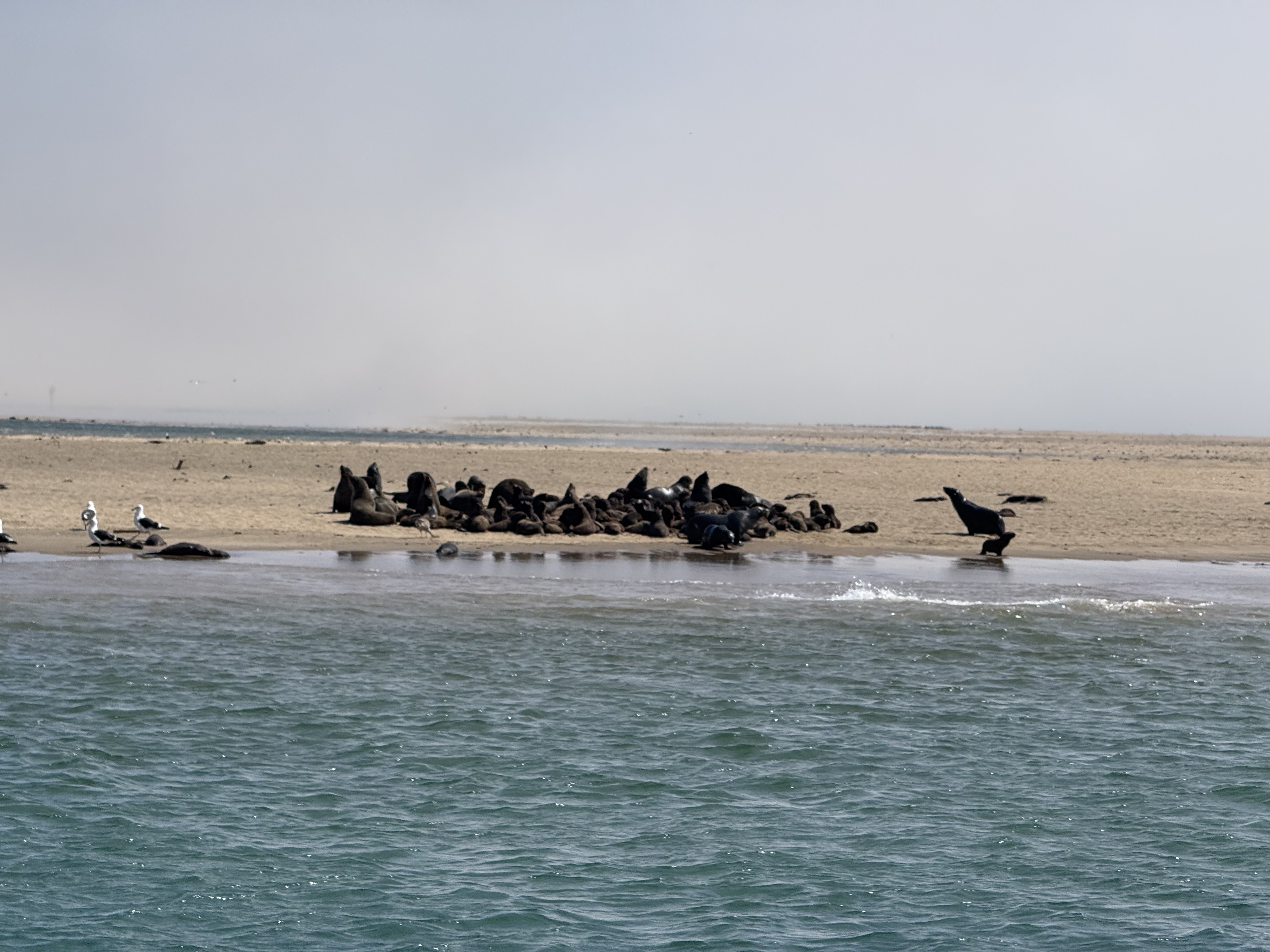
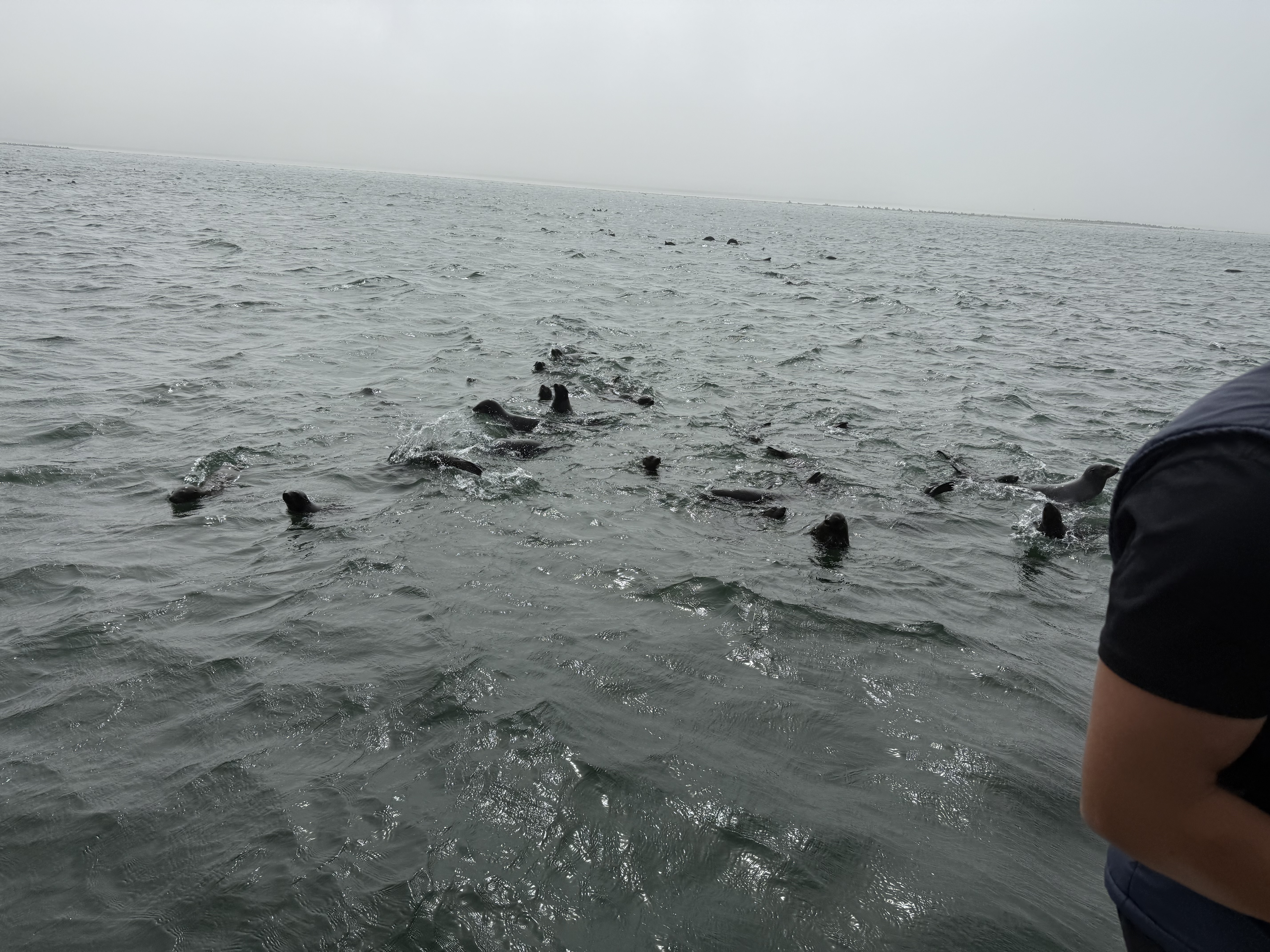
We continued to Pelican Point, home to many large seal colonies. The seals and especially the baby seals delighted in swimming alongside our boat. The bay has a natural sand peninsula that continues to grow every year. The seals breed here, feed in the bountiful water here in the bay and raise their babies. While natural predators are not in the area for the adult seals, the baby seals are a lot more vulnerable to foxes, hyenas and seagulls.
We did not see any Flamingos as they left during the drought that recently happened and have not returned. We also did not see any dolphins or whales as this is not the right season for them. The boat served us a local sweet liquor, sparkling wine, fresh oysters and even a seal meat patty. We returned to the jetty and transfered back to the ship. A children’s group was dancing on the dock and Nana just had to join in.


Next stop is the canary islands but we for now have 6 sea days coming up, which Papa and Nana love. We plan on playing bridge, Papa is working on trains, Nana is honing her Ukulele skills as well as finishing her blanket for Project Linus.

 papa carney