Santiago Island called “The Cradle of Cape Verde” was discovered by the Portuguese in 1460, Santiago was the first island of Cape Verde to be settled. Its strategic location in the Atlantic Ocean made it an important hub for trade — especially during the Transatlantic Slave Trade. The first city founded was Ribeira Grande (now called Cidade Velha) in 1462, which became the first European colonial settlement in the tropics.
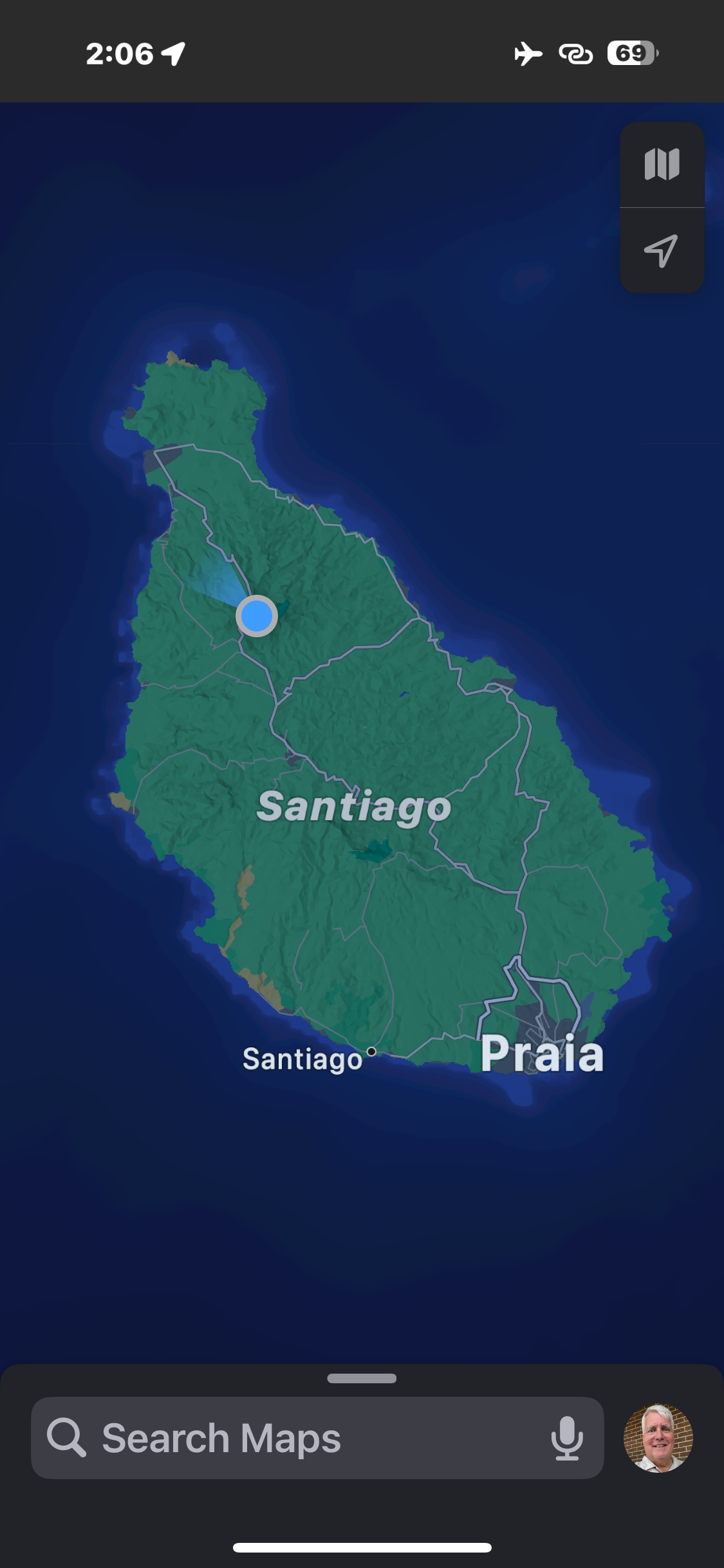
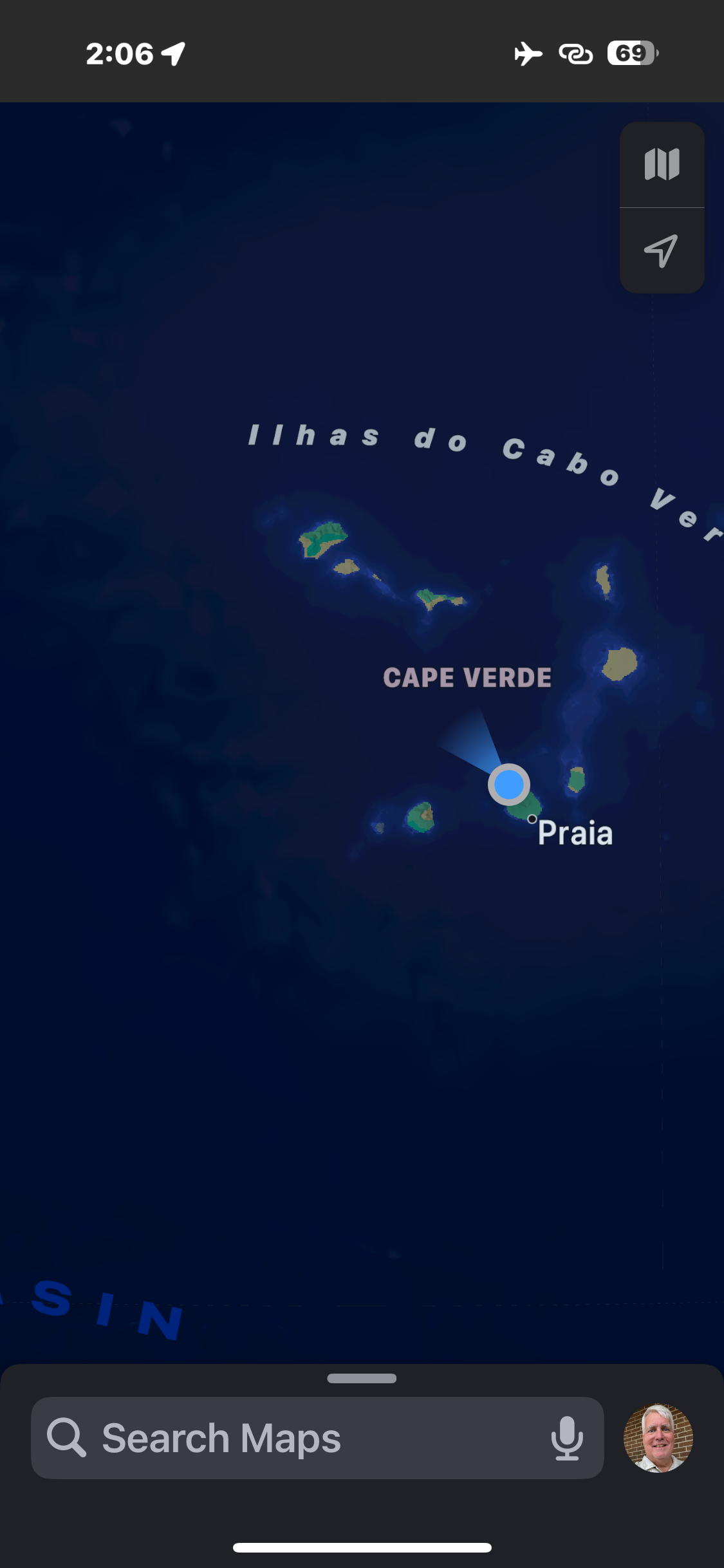
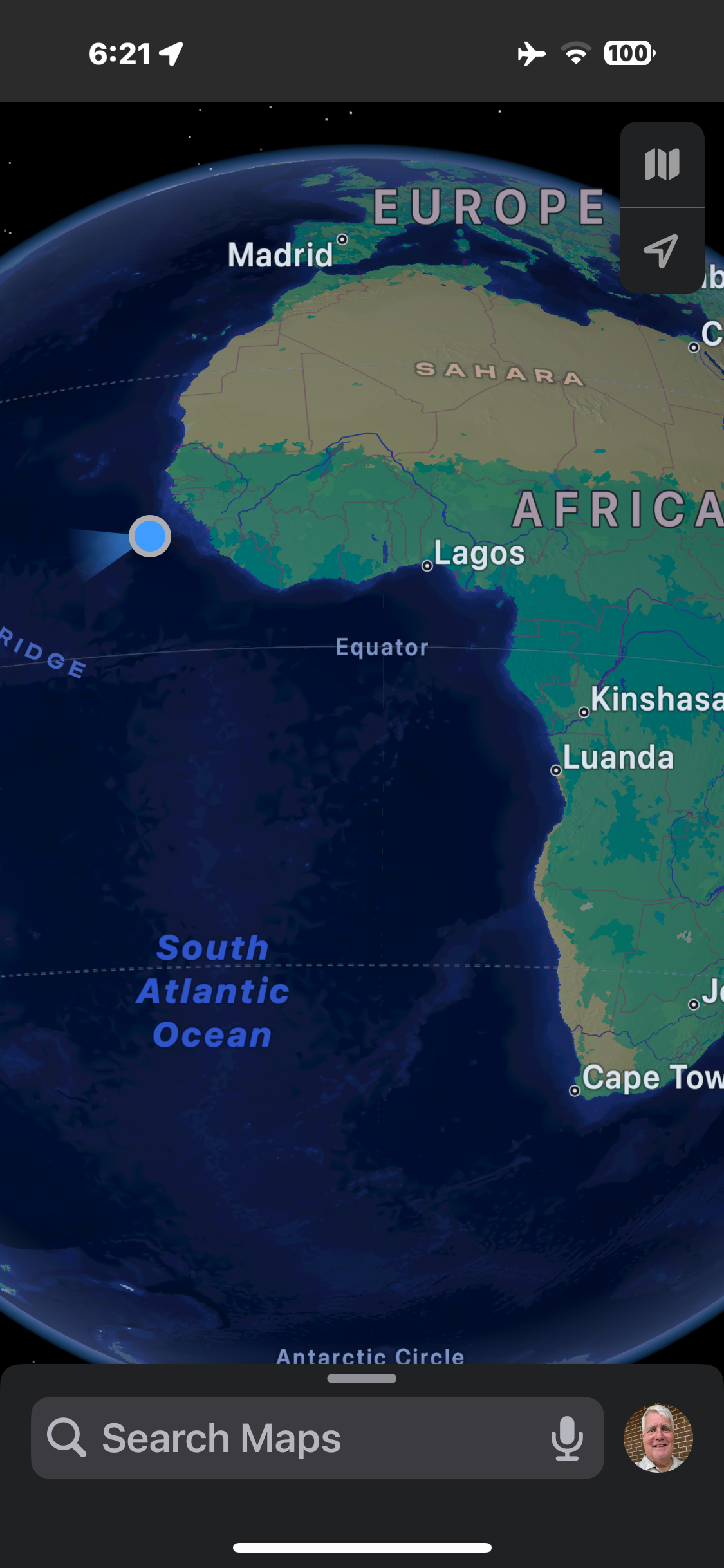
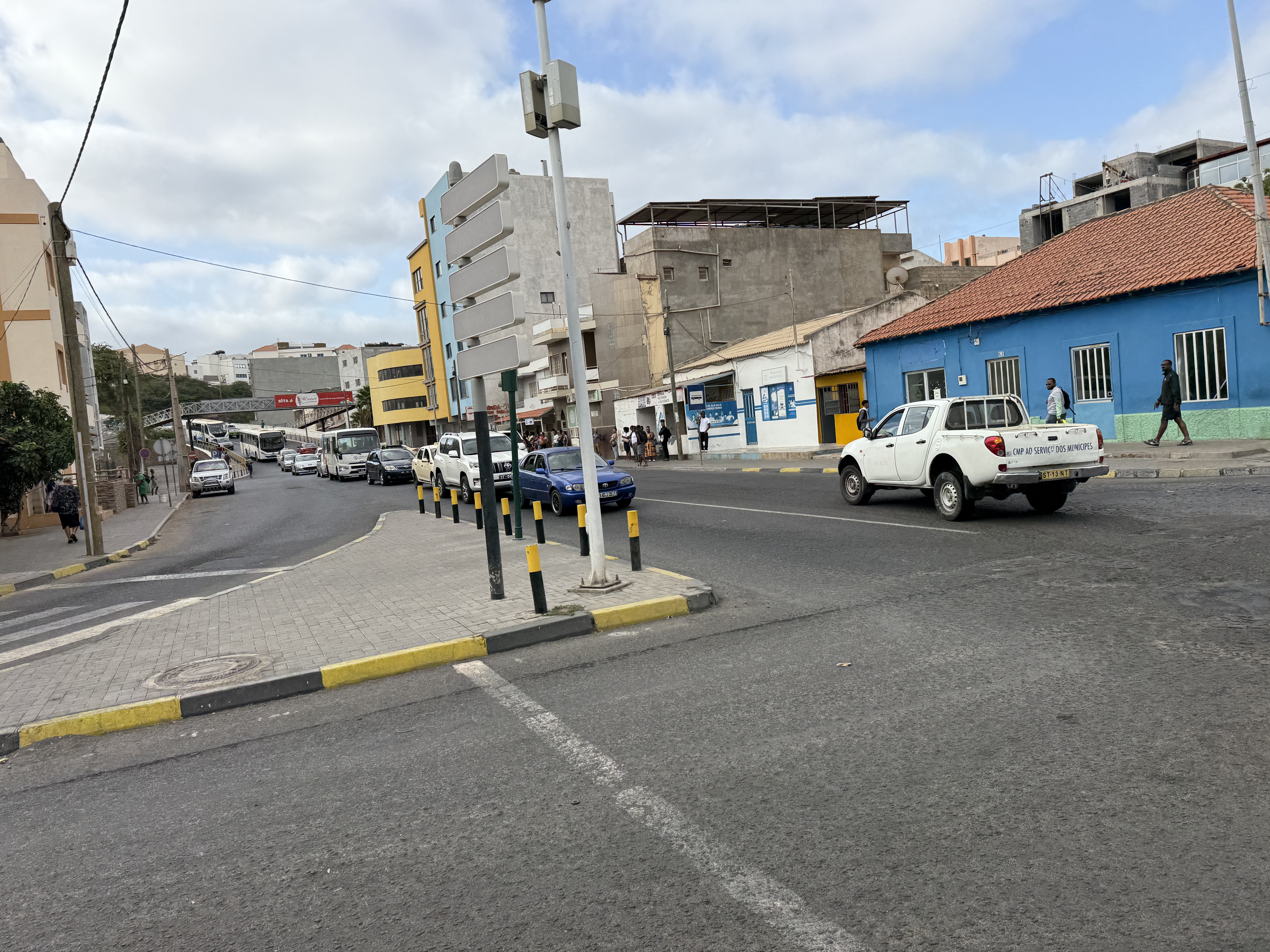
Cidade Velha grew quickly as a slave-trading center, linking Africa, Europe, and the Americas. The town had churches, a royal fortress (Forte Real de São Filipe), and even a cathedral by the 1500s. Frequent pirate attacks, including a major one by Francis Drake in 1585, caused its decline. Cape Verde remained under Portuguese rule until the 20th century. The islands experienced droughts, famine, and economic struggles, but also developed a unique Creole culture, blending African and European traditions. Cape Verde gained independence from Portugal in 1975. Praia became the permanent capital of the newly independent nation. oday, Praia is a vibrant city and the political and cultural heart of Cape Verde. Today it has expanded rapidly, with modern infrastructure, universities, cultural institutions, and growing tourism.
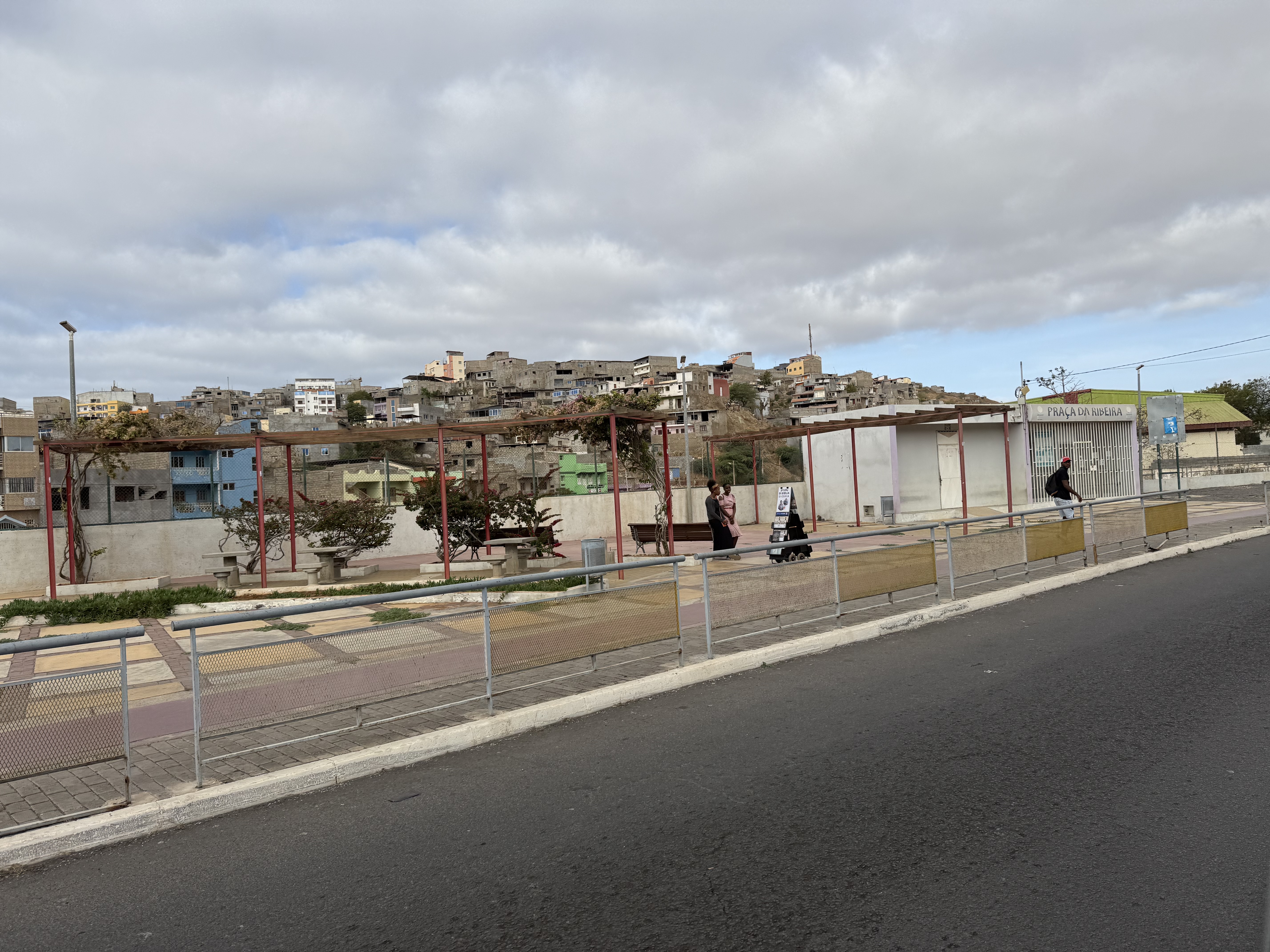
The country is very poor, 35% unemployment, minimum wage is 150 Euros per month. Most houses are not finished here. The ground floor must be completed it you can build above whenever you want. Tourism is the biggest industry here. Water and electricity are very expensive, more than 3 times the cost as in Georgia.

Our excursion today is the nature and culture of Santiago. First stop is to see he beauty of the Cape Verdean Botanic Garden in São Jorge dos Orgãos. The garden is located in a volcano crater. The top attraction is the Boabob tree, only found in Africa. The tree store a lot of water in its base and the hanging fruit is concentrated vitamin C. Our guide gave us one to taste.


Along the way to our next stop we found a hungry monkey and our guide fed him a well appreciated banana.


Next stop was the pottery factory. Woman hike up the mountain, dig up the clay, bring it back mold it then heat them up to finish the pots. They don’t use typical kiln but dig a hole in the ground, put the pots in cover with leaves and then build a fire on top of the pots.


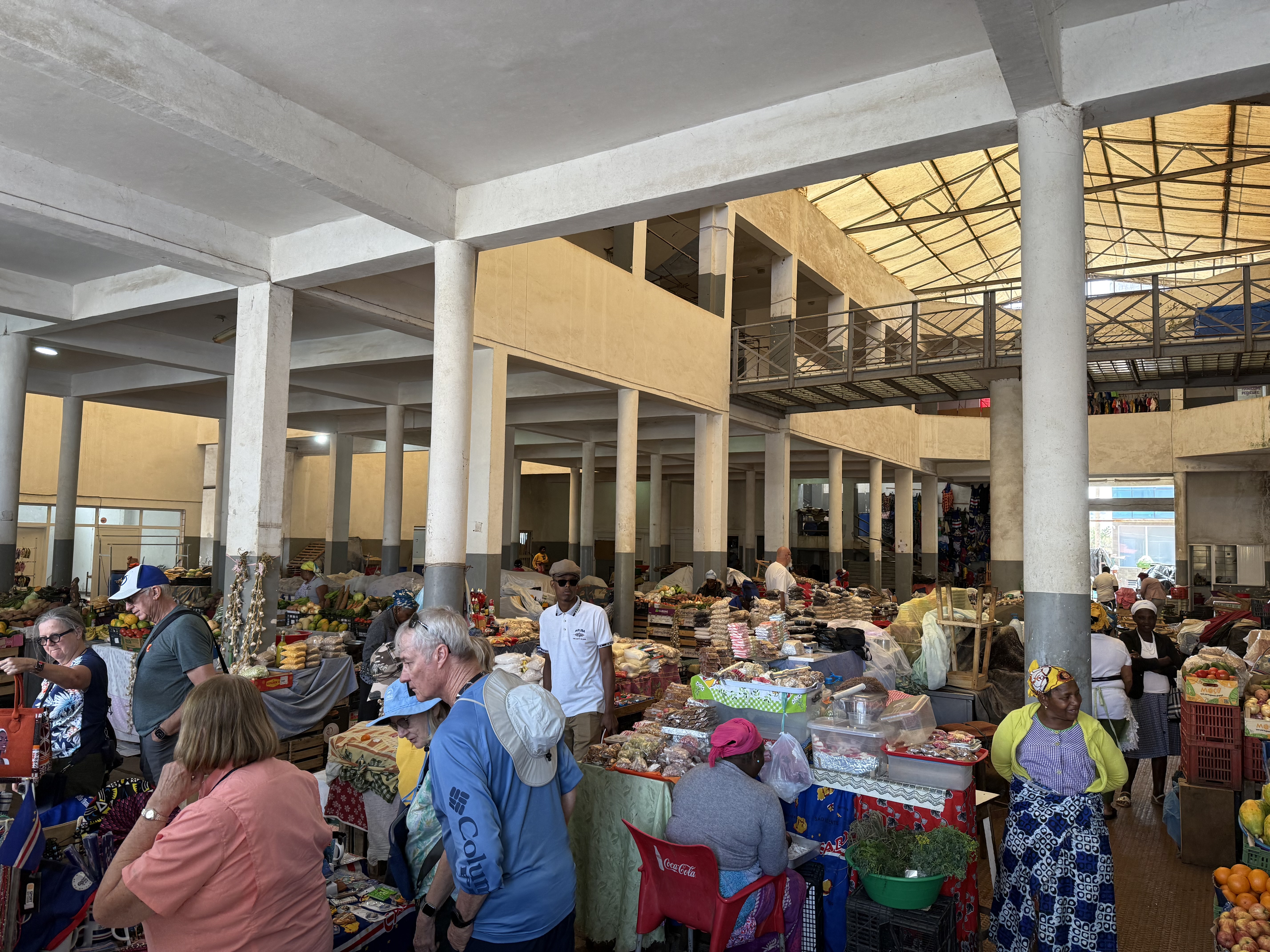
We visited the market of Assomada which is one of the largest on the island of Santiago, with a large variety of agricultural products and crafts. It is the central collection and distribution point for produce from the surrounding countryside. This wholesale market is very large and vibrant, the majority of the trade is between middlemen (rabidantis), who sell the produce at larger national and international markets. Nana found some good deals on some clothes.

We had a stop at a Kapok Tree. This kapok tree is located near the village of Boa Entrada, approximately 2 kilometers north of Assomada in the central region of Santiago Island. This impressive tree stands about 25 meters tall and is considered the largest on Santiago and possibly in all of Cape Verde. Situated at the bottom of a valley. The kapok tree, also known as the silk-cotton tree, is native to tropical regions of the Americas and Africa. It can grow up to 70 meters tall, with a trunk diameter exceeding 3 meters. The tree is deciduous, shedding its leaves during the dry season, and its seeds are dispersed by wind due to the silky fibers surrounding them. Estimates suggest that the tree is approximately 500 years old, indicating its existence predates European discovery of the islands around 1460. It is well known to local inhabitants and early settlers for centuries.


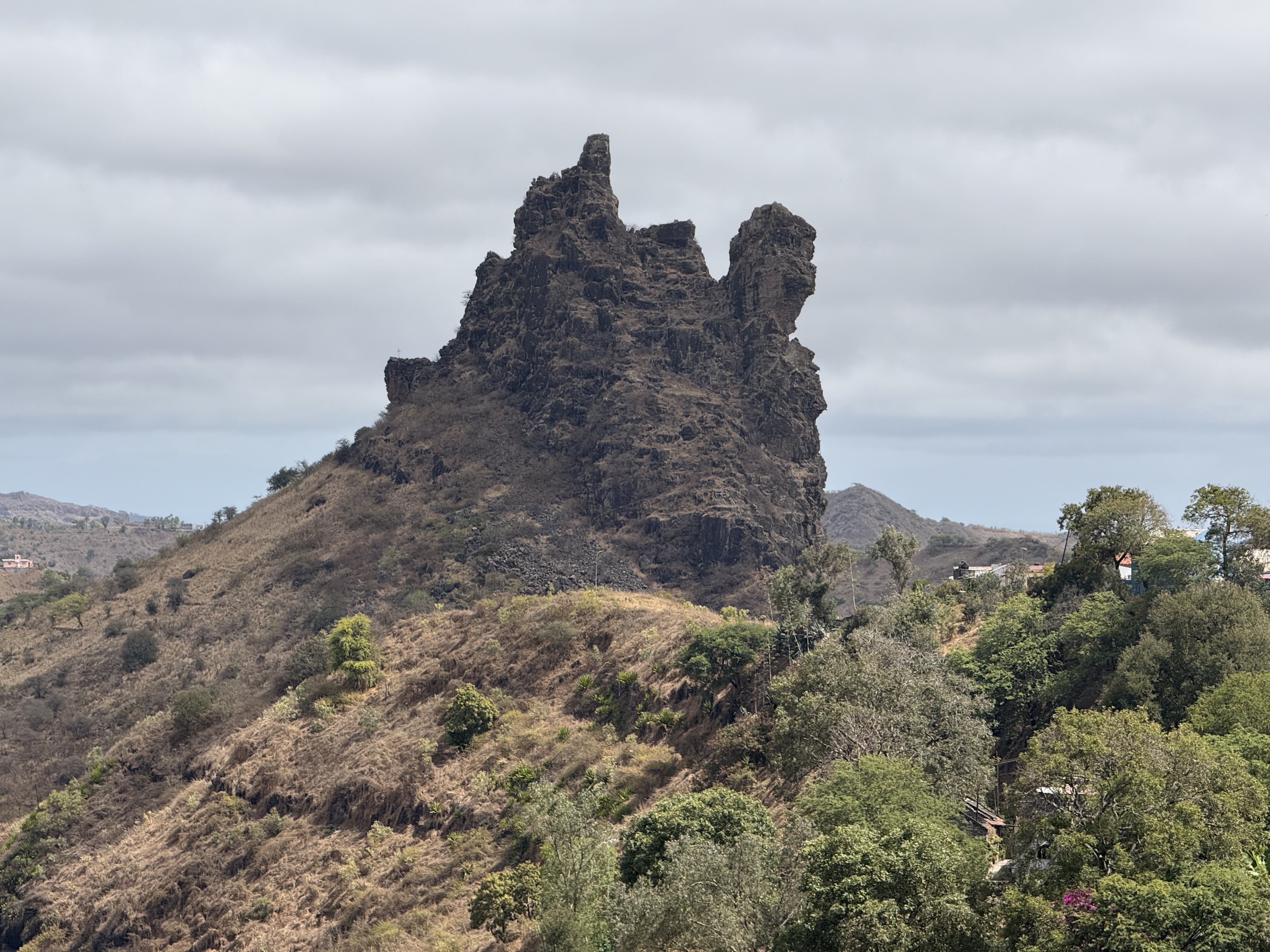
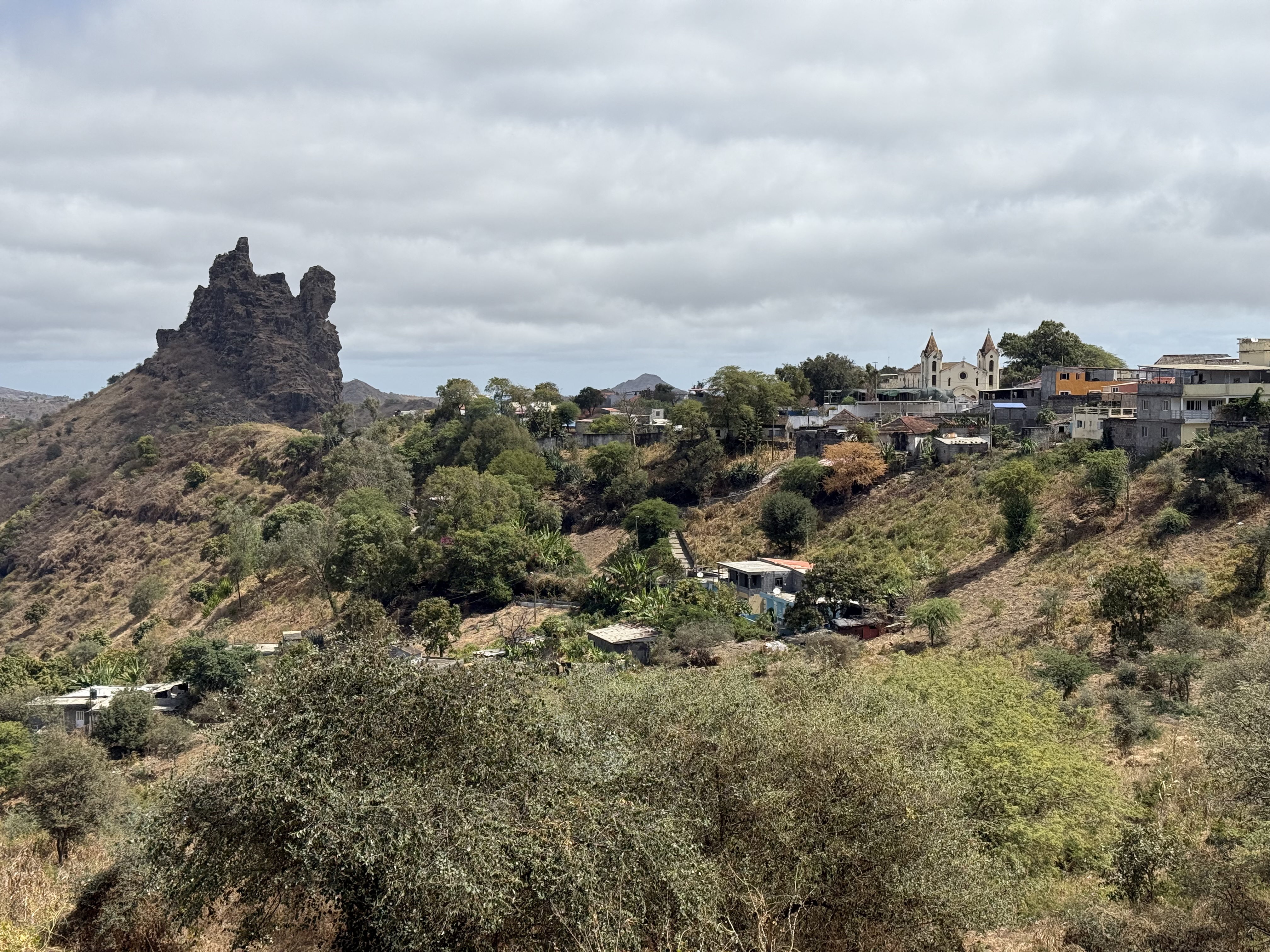
Everywhere you go there were gorgeous views of mountains, valleys, volcanoes and farms. We stopped at the Serra Malagueta Nature Park, 3,200 feet above sea level. 26 endemic plants, including 14 endangered species, grow here. A picnic lunch was served then we took a hike up the mountain with some great views of the mountains and valleys.



Next stop is are the Canary Islands, we will stop at two of them. We have 2 sea days to get there as we cruise up the Western side Africa.


 papa carney
Michael, Thanks always for the great update on your trip. You guys have seen and experienced some great sights.
Ron