Our stop today is in Cartagena, Spain which has a long history and was originally founded in 227 BC which makes it over 2,200 years old.
Cartagena was originally founded by the Carthaginian general Hasdrubal the Fair as Qart Hadasht (“New City”), intended as a sister city to Carthage in North Africa. It became a crucial naval and military base. During the Second Punic War, the Roman general Scipio Africanus captured the city and renamed it Carthago Nova (“New Carthage”). It became an important Roman colony and one of the empire’s wealthiest ports. Carthago Nova boasted impressive Roman architecture—a theater, amphitheater, baths, and forum—many of which have been excavated and restored today. The city also minted its own coins and played a strategic role in Mediterranean trade. After the fall of the Western Roman Empire, Cartagena came under Byzantine control, followed by the Visigoths. Muslim forces captured Cartagena in the early 8th century. Under Islamic rule, the city saw relative stability and remained an important coastal settlement. Cartagena was retaken by King Ferdinand III of Castile, and it was gradually repopulated and integrated into the Kingdom of Castile. Cartagena became a key military and naval base for the Spanish Empire. In the 18th century, King Charles III made it one of Spain’s four main naval bases, leading to significant fortification efforts. The city was developed with modern urban planning and military architecture, including shipyards, arsenals, and forts. Cartagena played a role in various Spanish civil conflicts, including the Cantonal Revolution of 1873, during which the city declared itself an independent canton for several months. It was heavily involved in the Spanish Civil War (1936–1939), serving as a Republican stronghold. The city suffered bombings and damage but retained its naval significance. Today Cartagena is part of the Murcia region and is known for its blend of ancient ruins, military history, and a vibrant port culture. It’s also home to the Cartagena Roman Theatre, Naval Museum, and underwater archaeology efforts.
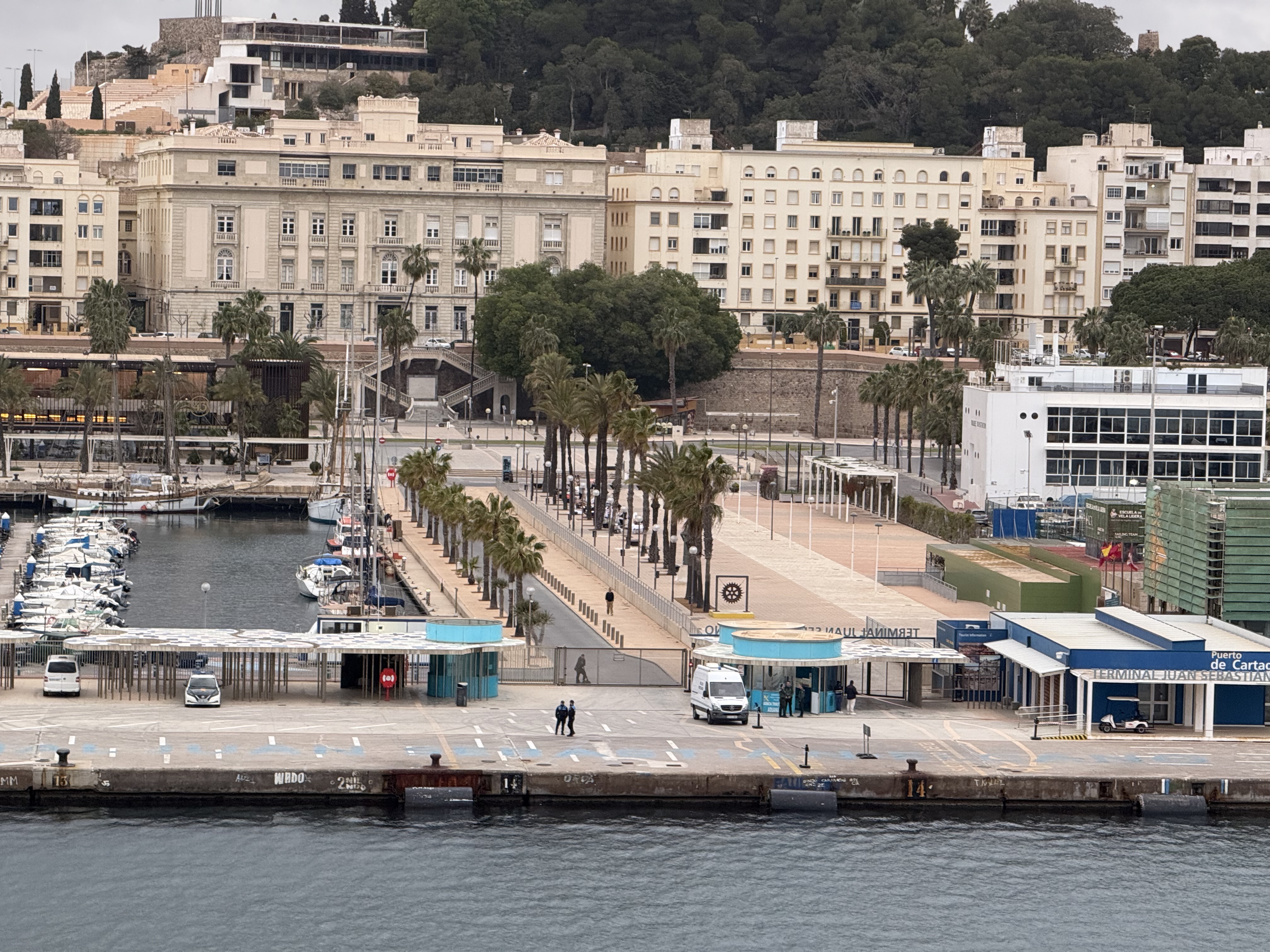
We docked right outside the cinter center and we had some great views from our ship.

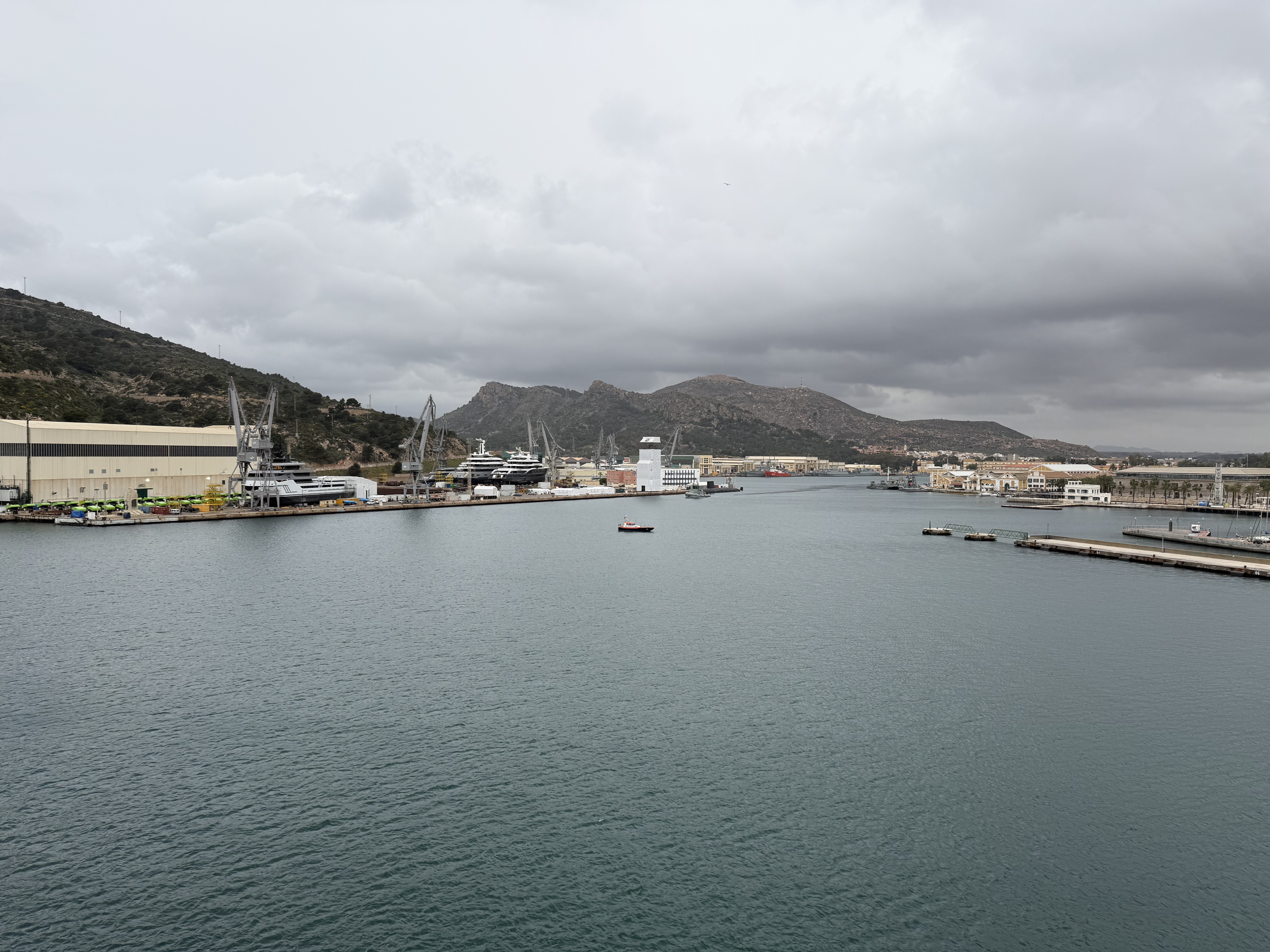
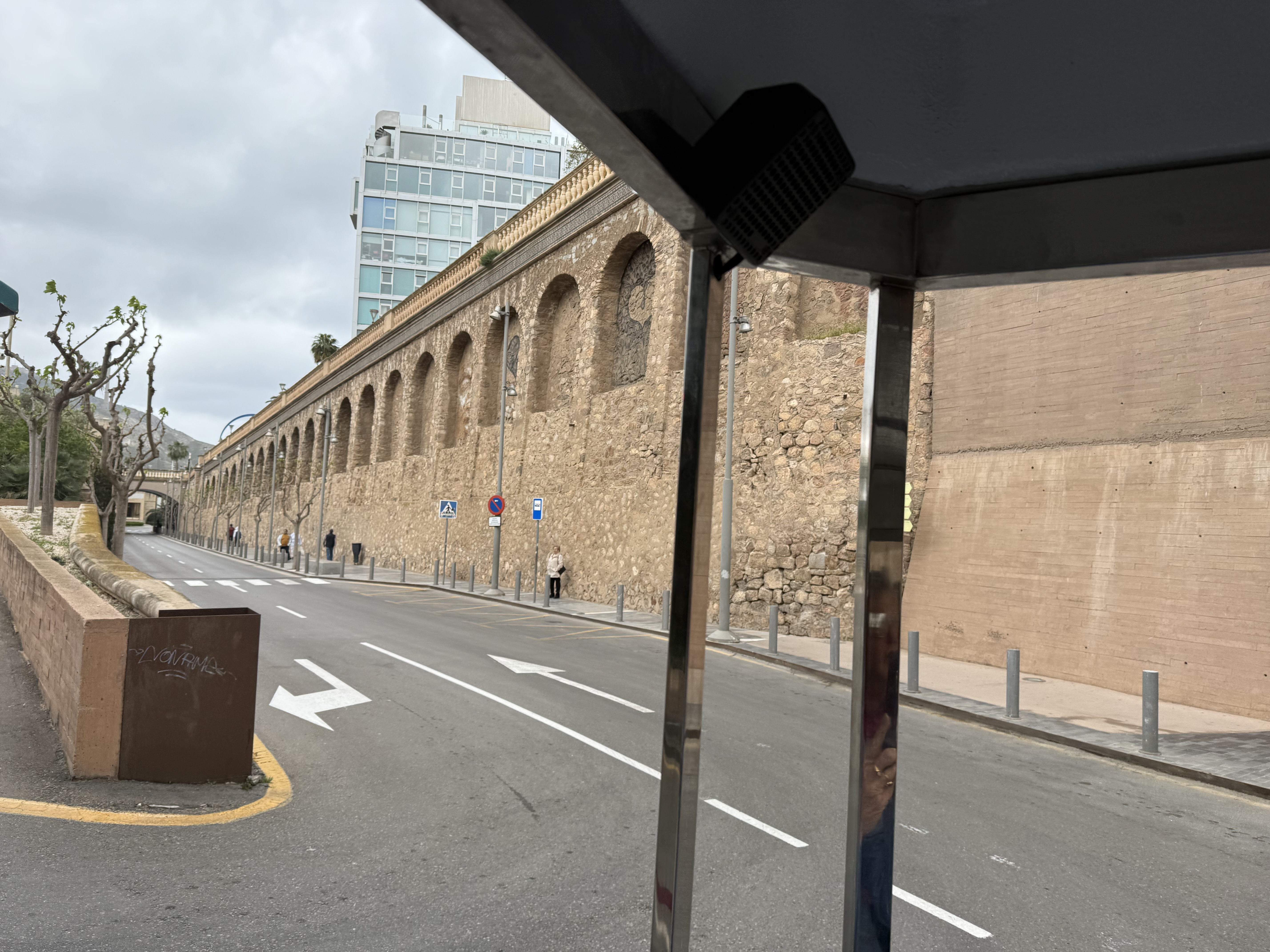
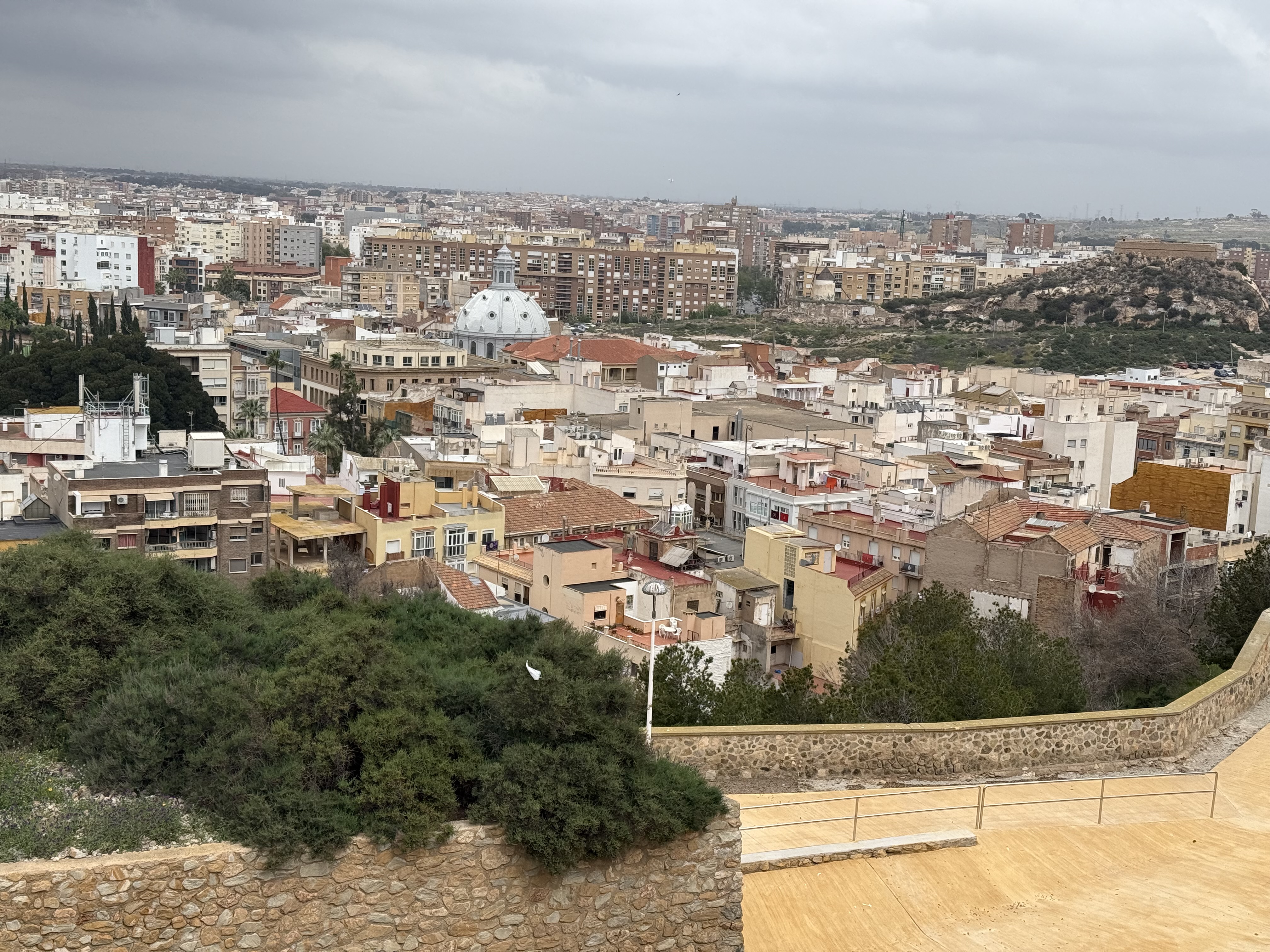
Today we took a wheeled trolley train ride that is exclusive to Holland America Line guests and viewws the highlights of Cartagena at a leisurely pace. We left the port area and entered the historic city center. We saw thethe Naval Museum and the 18th-century Arsenal Building. We stopped for photos at Parque Torres and took in stunning views of Cartagena Bay. We admired the Conception Castle and viewed the outside of one of the most surprising archaeological finds of the city — the Roman Amphitheatre of Cartagena. Discovered in 1988, this great structure shows how important Cartagena was in Roman Spain, and its complete excavation and restoration have been a driving force for the regeneration of a formerly run-down area. We got off the train in the city center.





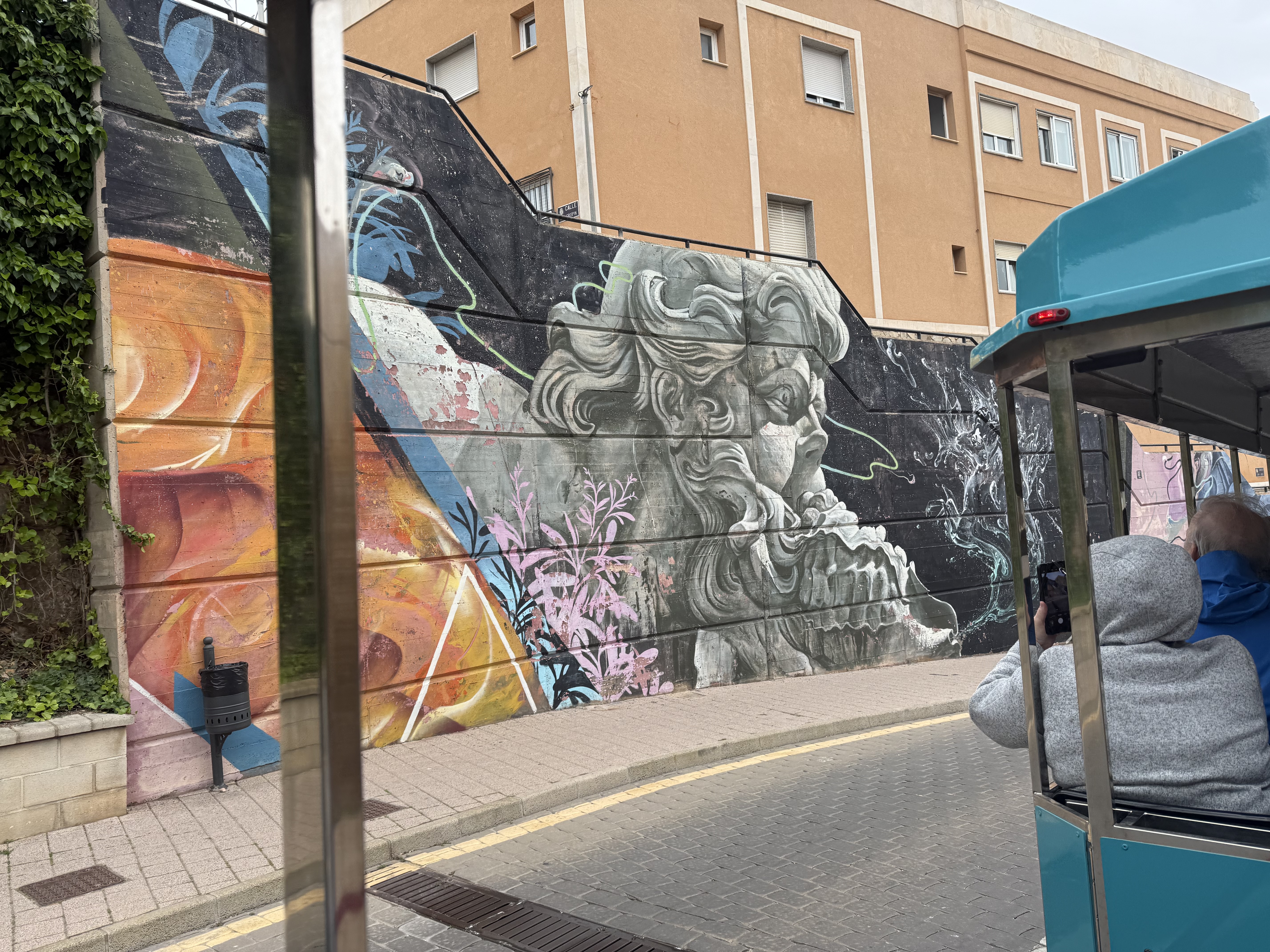
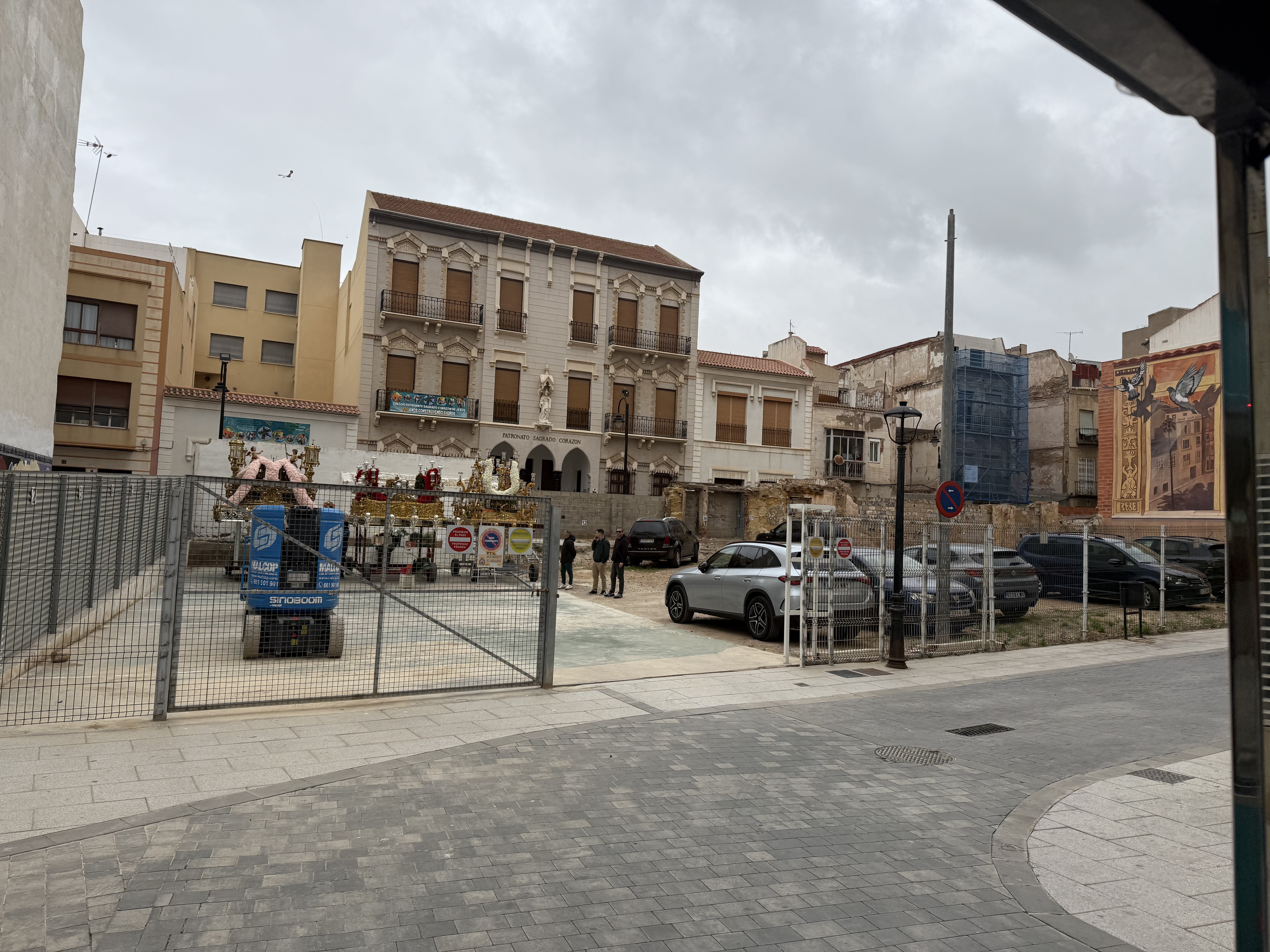


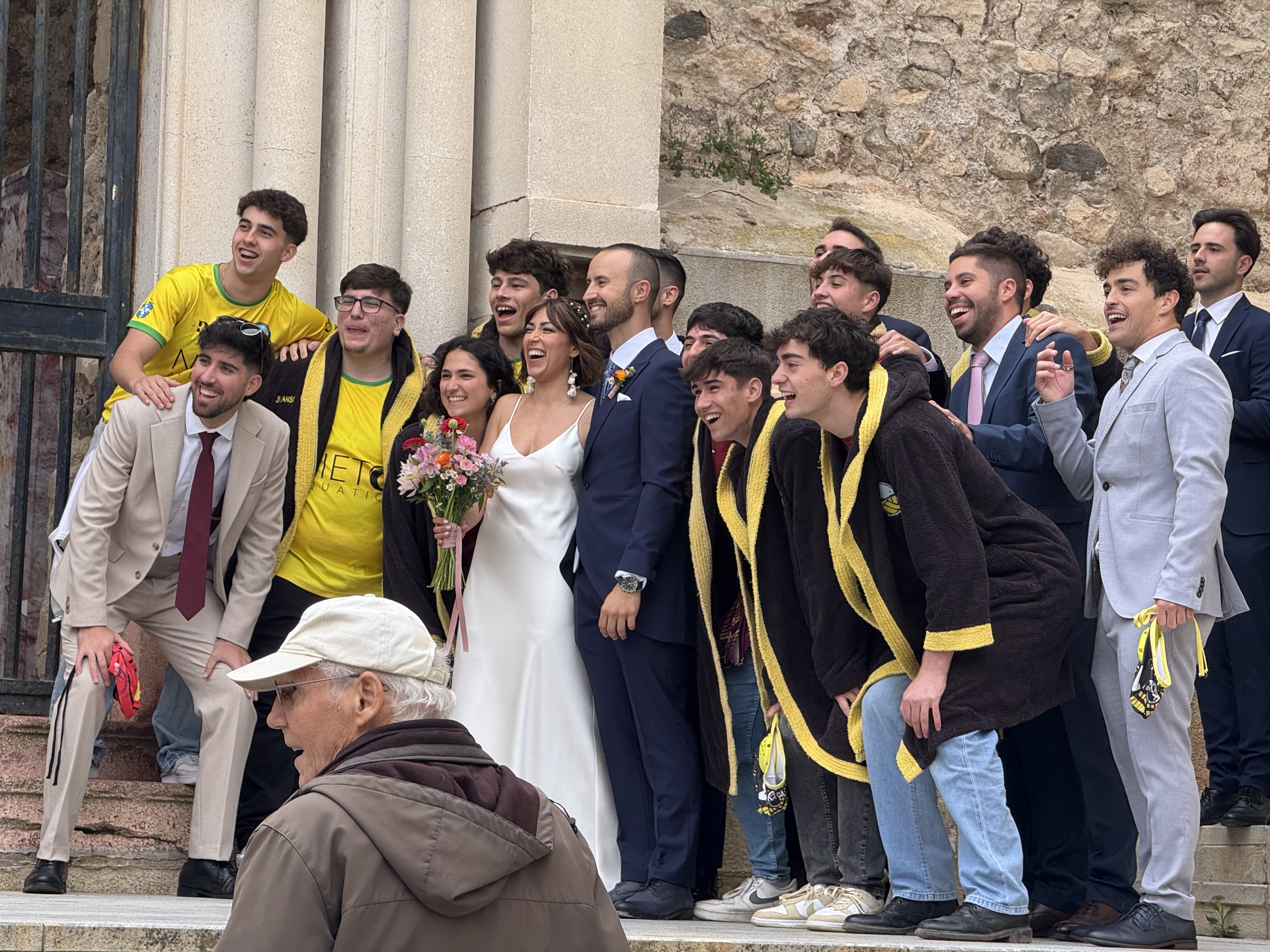
We explored the city and found a parade celebrating Holy Week. The parade was young boys and it was a joy to watch. We saw a wedding reception from a young couple !


We stopped in the main church, where Nana said her prayers for all of you.


Then a short walk back to the ship.
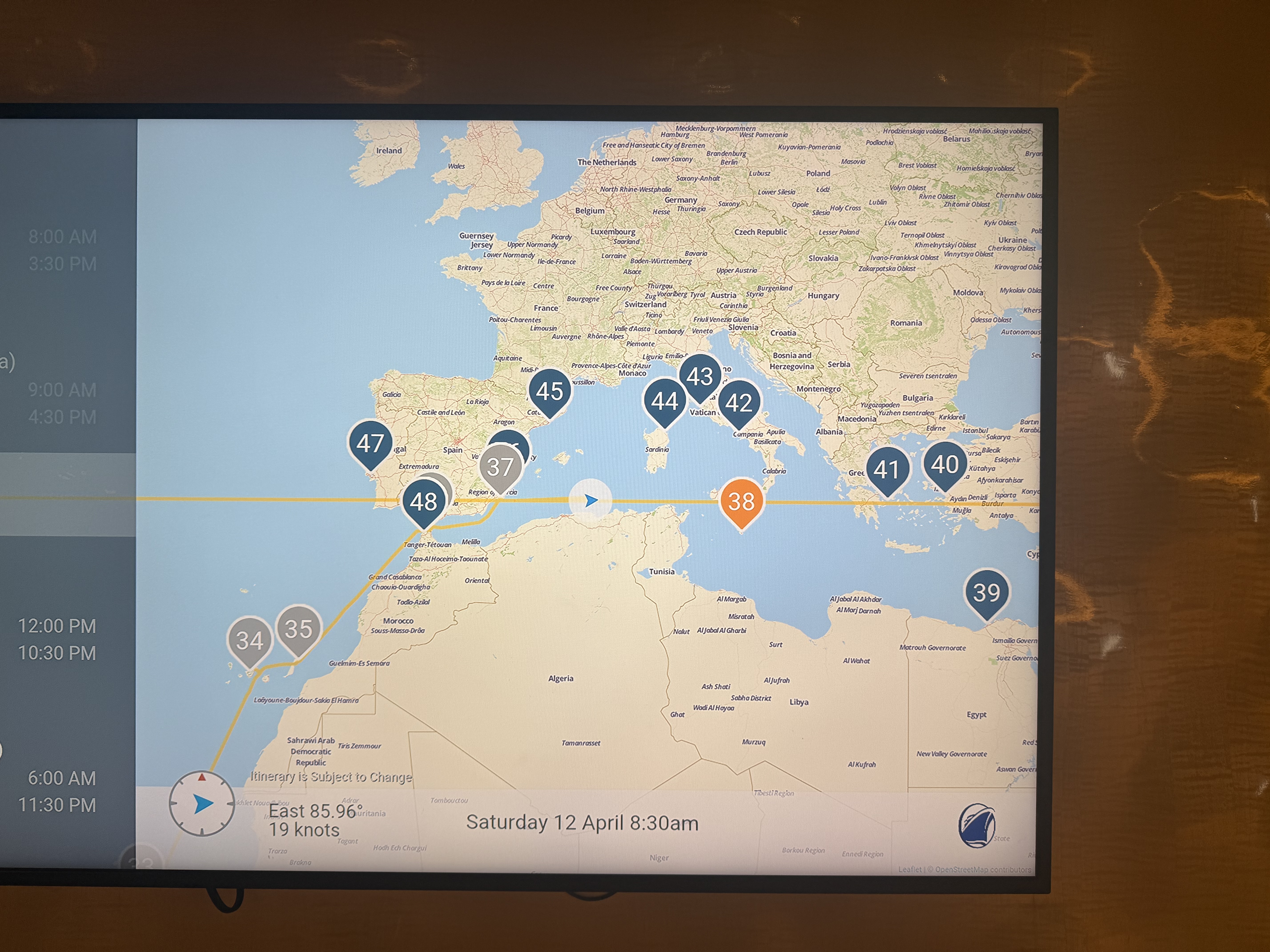
Tomorrow is a sea day and then a stop at the port of Malta where we learn about the legacy of the Knights. This will be stop number 38. We are now in the heart of the Mediterranean Sea.

 papa carney
I really like when you happen to catch a local parade or a wedding. Nice. Just goes to show that Rome’s empire really spanned the known world.
Ron