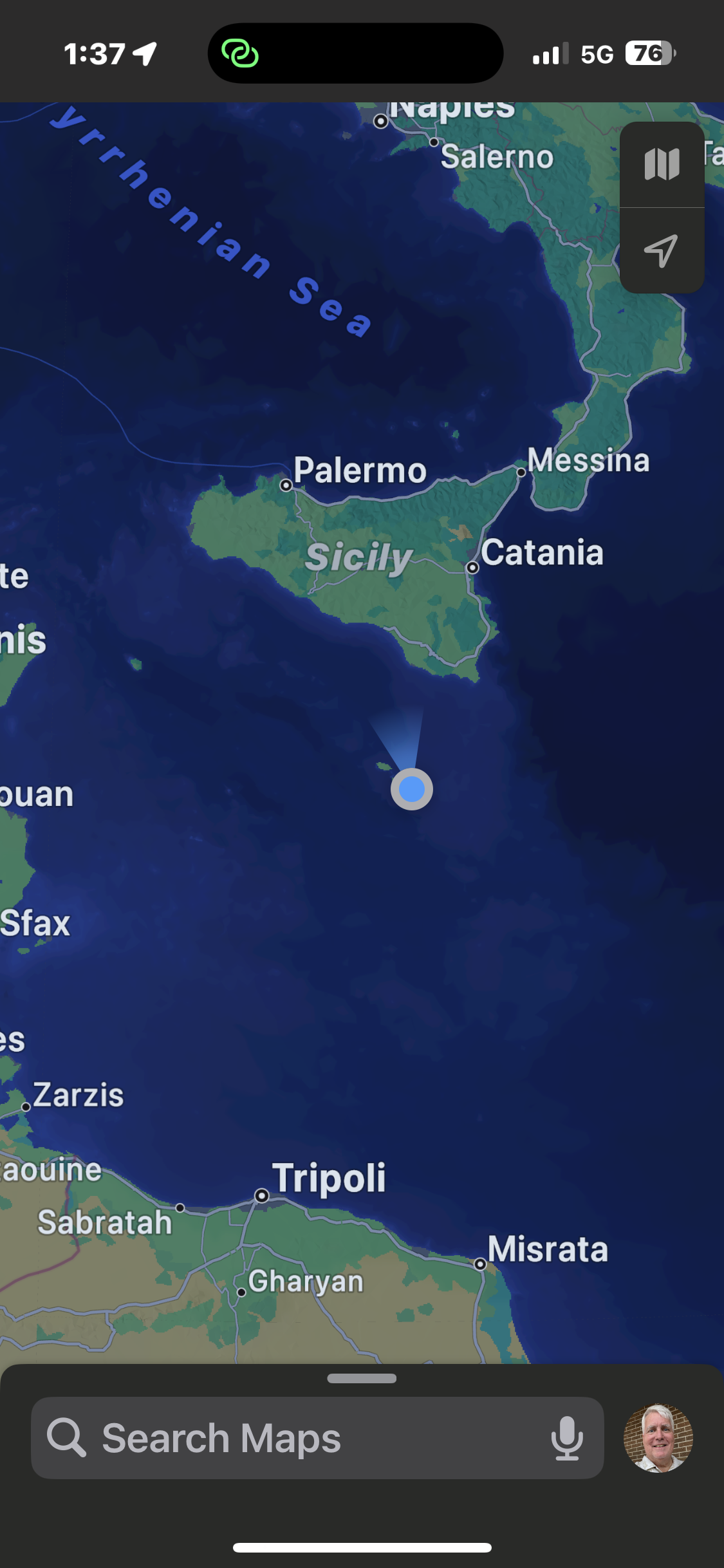
Our port today is Malta. The first Inhabitants of Malta werethe Sicilian farmers around 5900 BCE. Malta is home to some of the oldest free-standing structures in the world, such as Ġgantija, Ħaġar Qim, and Mnajdra temples. The temple-building civilization vanished around 2500 BCE mysteriously. The Phoenicians & Carthaginians established trading posts around 800 BCE. The Romans in 218 BC Malta became part of their Roman Empire. St. Paul was shipwrecked here in 60 CE, introducing Christianity. Then Byzantine Rule continued until the Arab invasion. Arabs conquered Malta, influencing language, agriculture, and architecture and introduced irrigation systems and new crops. Then Malta was conquered by Norman Count Roger I of Sicily. Malta became part of the Kingdom of Sicily, later ruled by various European dynasties, including the Aragonese and Spanish.
In 1430 the Knights of St. John were given Malta by Charles V of Spain. They turned the islands into a fortress against the Ottoman Empire. They had lost 3 previous battles with the Ottoman Empire in the past and had to leave where they were each time. During the Great Siege of 1565: Knights and Maltese resisted a massive Ottoman invasion. They then built Valletta, the new capital, after the siege. In 1798 Napoleon seized Malta on his way to Egypt. The Maltese revolted with British help. Napoleon tried to steal all the gold and silver from the churches in Malta and the Maltese took the French garrison prisoner and killed them tall. In 1800 Malta became a British protectorate, later a colony. Malta was an Important naval base in both World Wars. It was heavily bombed in WWII; Malta was awarded the George Cross in 1942 for bravery.
In 1964 Malta gained independence from the UK. In 1974 Malta became a republic. In 2004 Malta Joined the European Union.
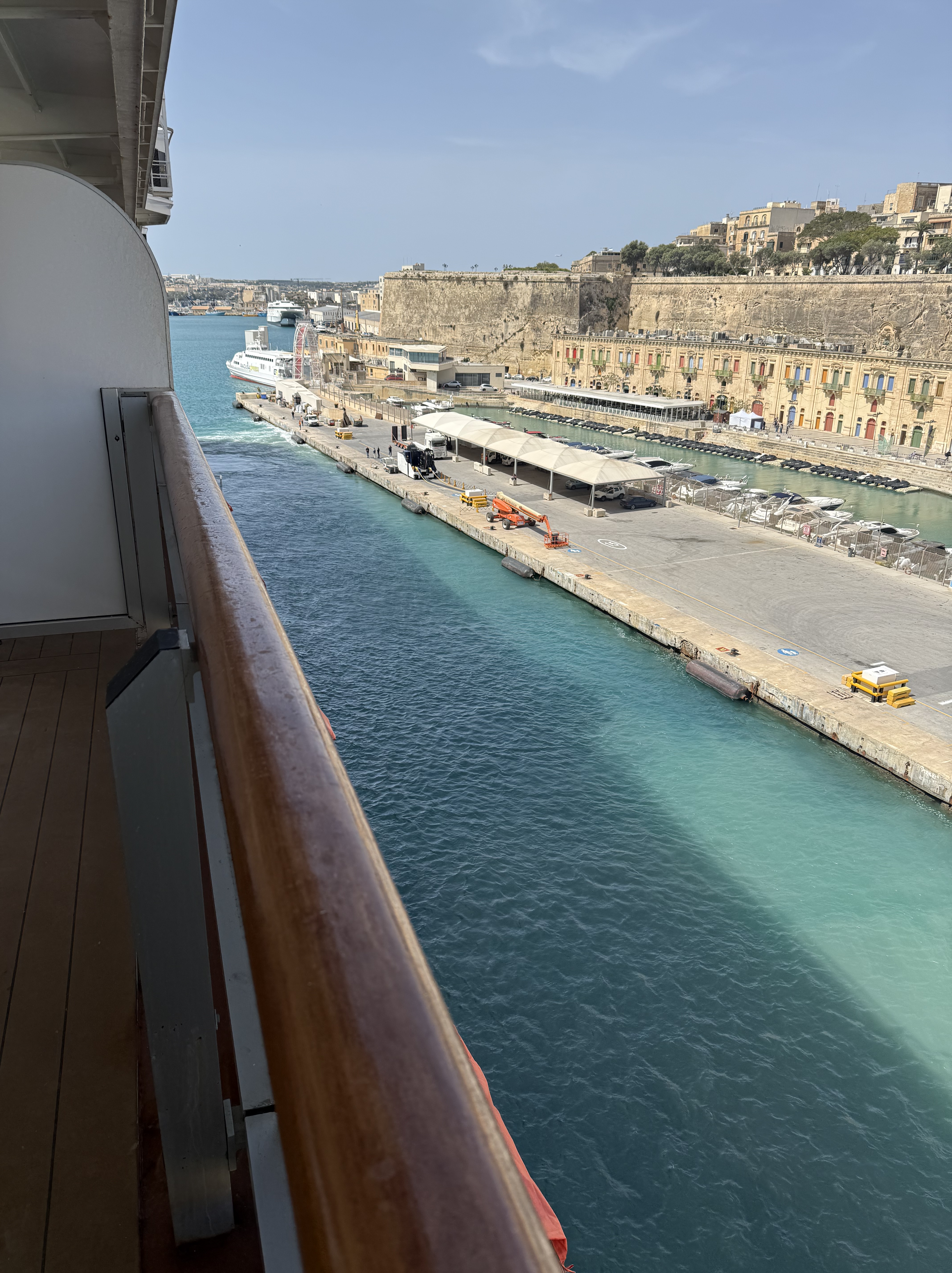
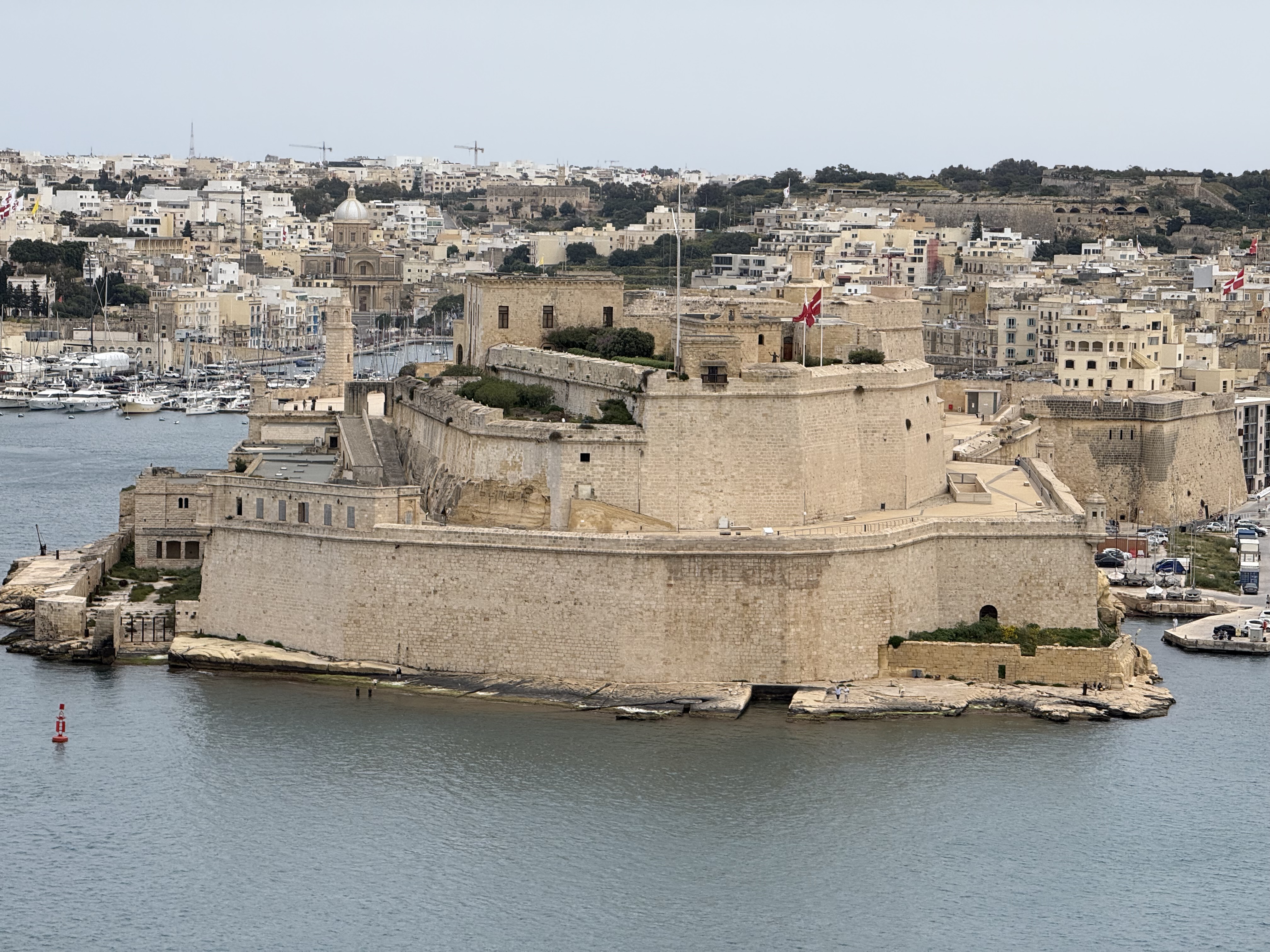
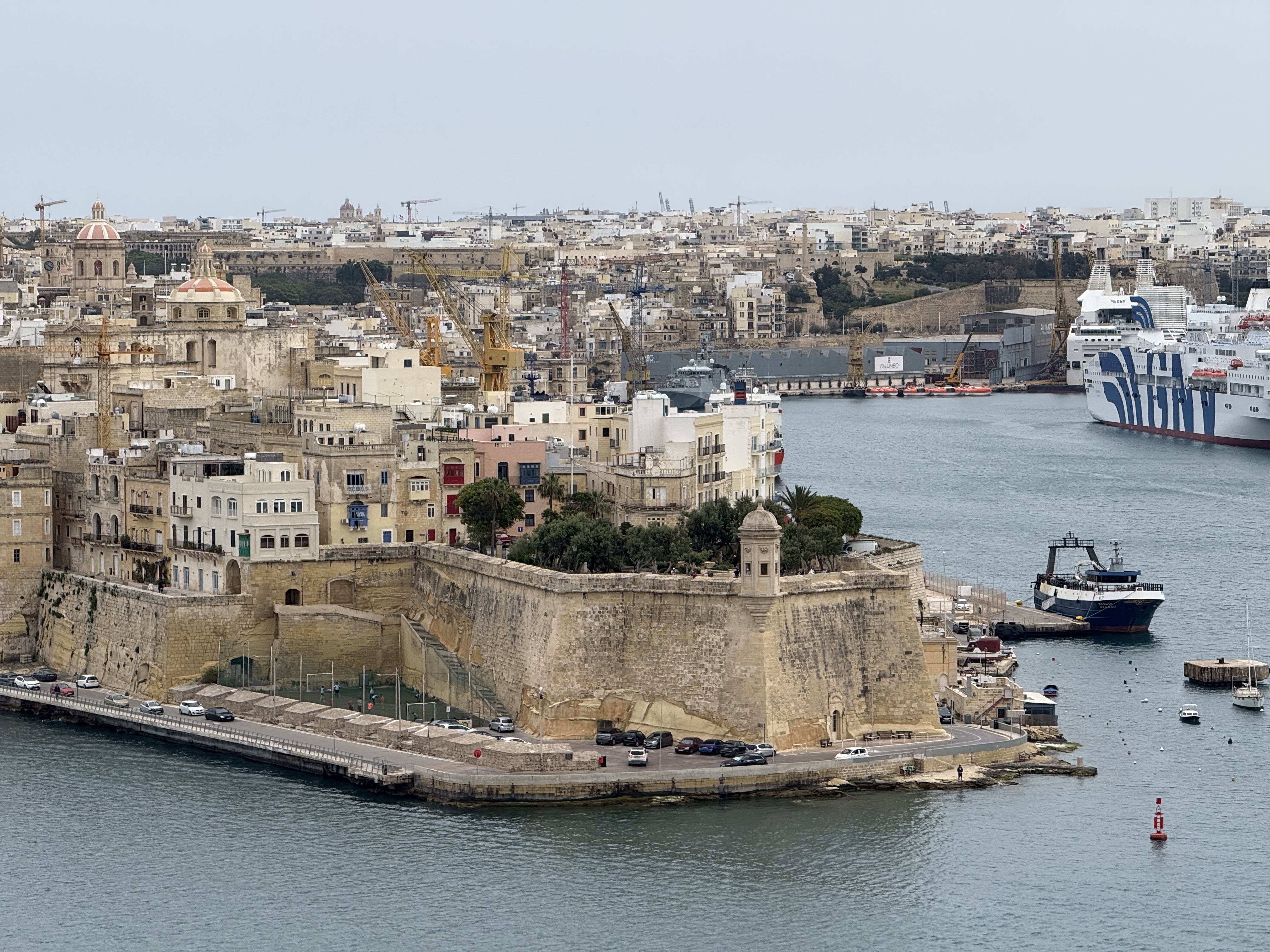
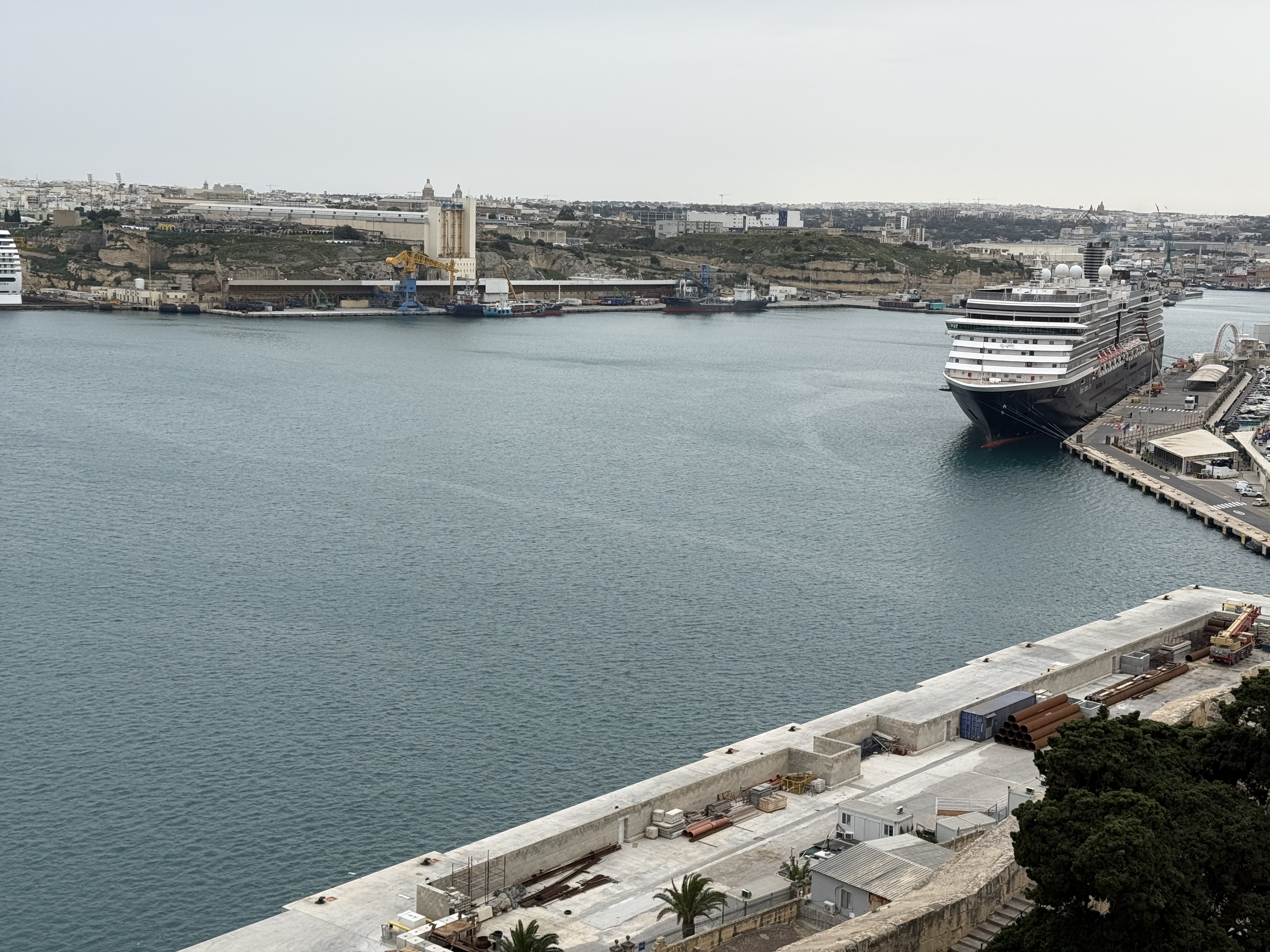
A lot of history for this country ! As we enter into the port around 11am, we have just gorgeous views of the different forts, the cities and the walls of the cities. The island is only 200 square miles but is one of the densest cities in the world. The island base is rock and that is why they built the forts and city walls on top of the rock. There are multiple sandstone quarries on the island and they cut blocks, moved them and built their forts and walls. We dock today right below the city of Valetta.

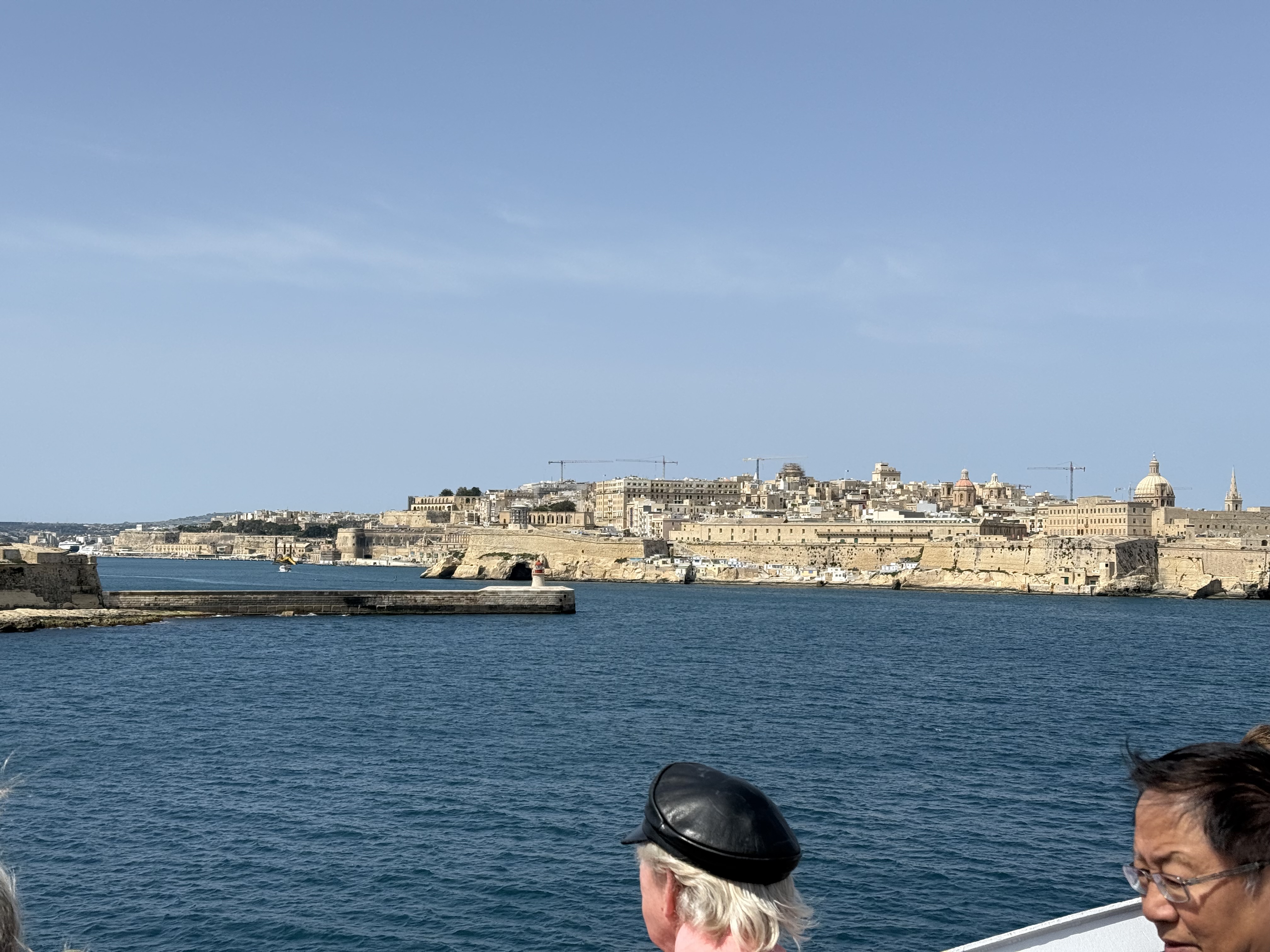




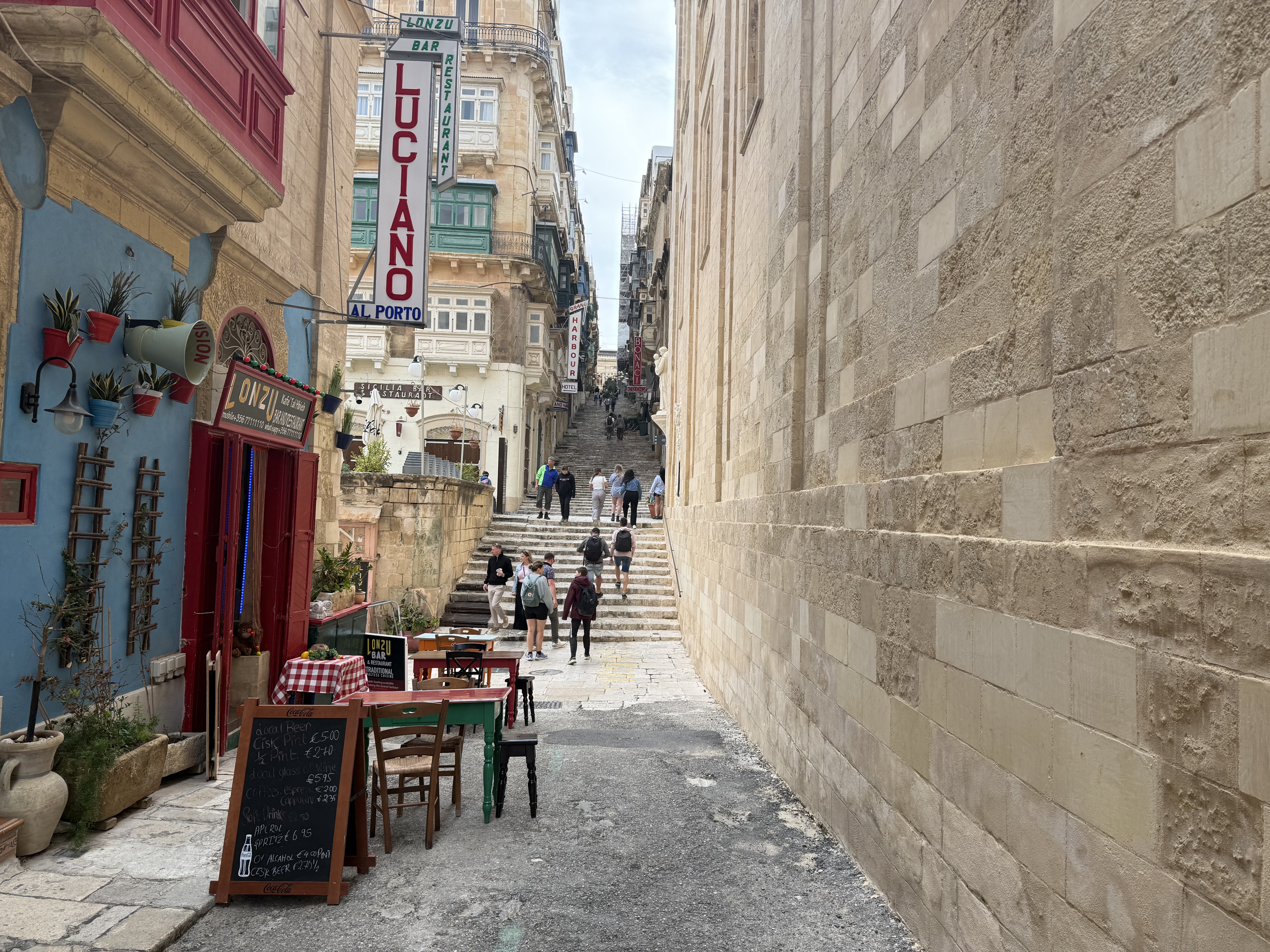
Our excursion today is the Legacy of the Knights. We took a guided walk through Valletta and the Barrakka Gardens. The Knights of St John came to Malta in 1530 and stayed for 268 years, transforming what they called ‘merely a rock of soft sandstone’ into a flourishing island with mighty defenses and a capital city coveted by the great powers of Europe. They settled in Vittoriosa, across the harbor from Valletta. We walked through Vittoriosa’s narrow streets shaded by age-old buildings, including the early Auberges of the Knights, the Hospital, the Armory, the Treasury and the palaces connected with the Order’s administration.
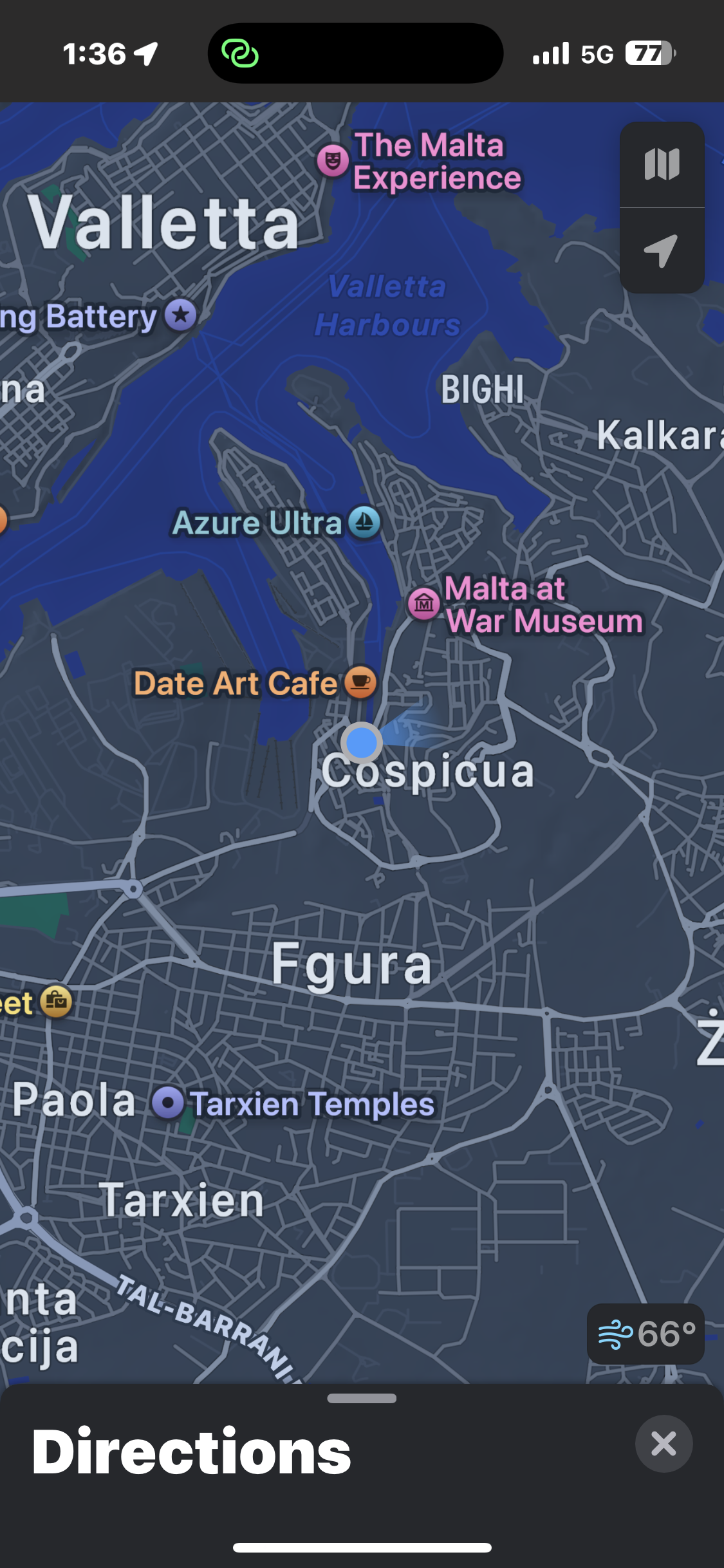
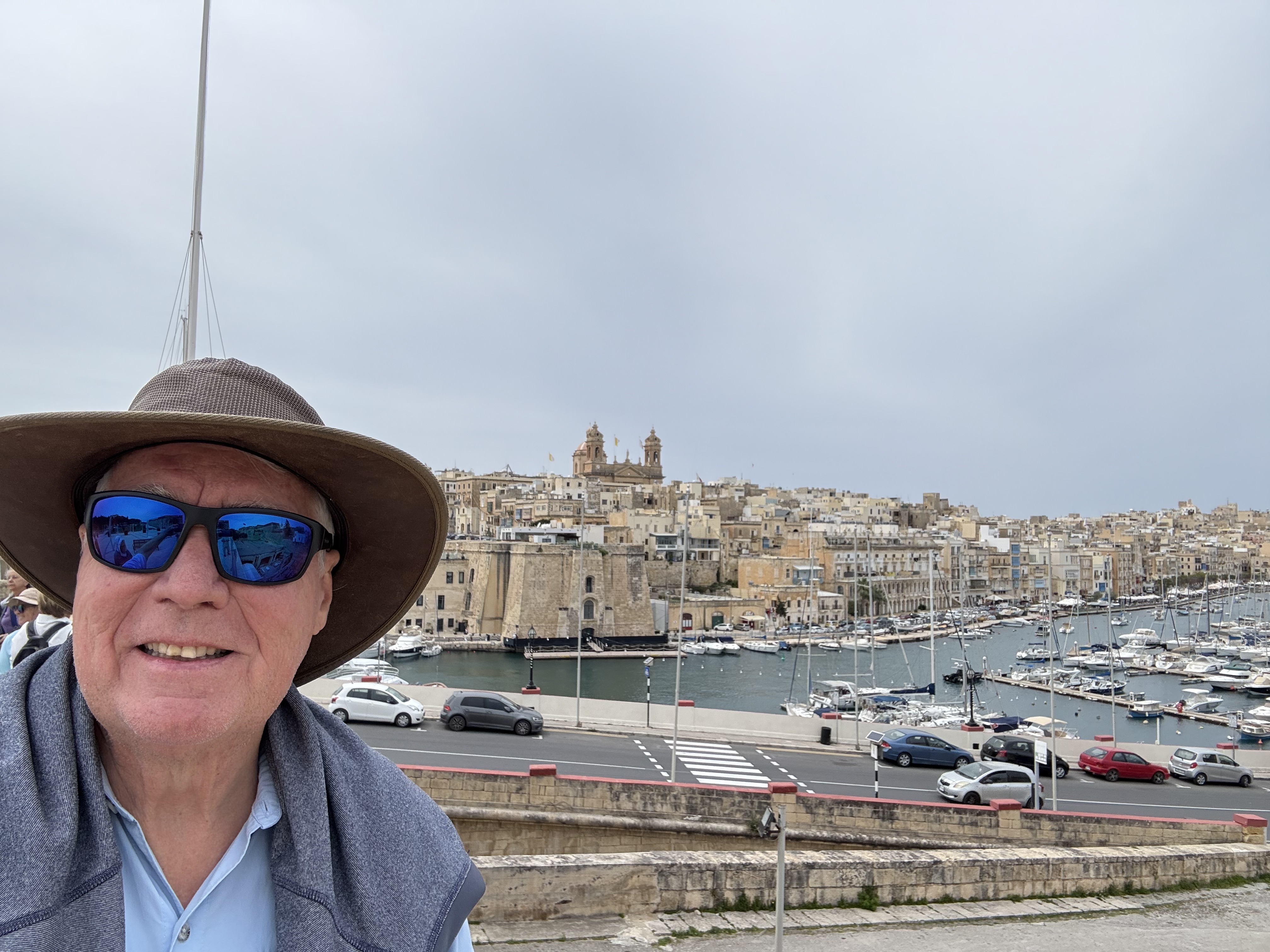


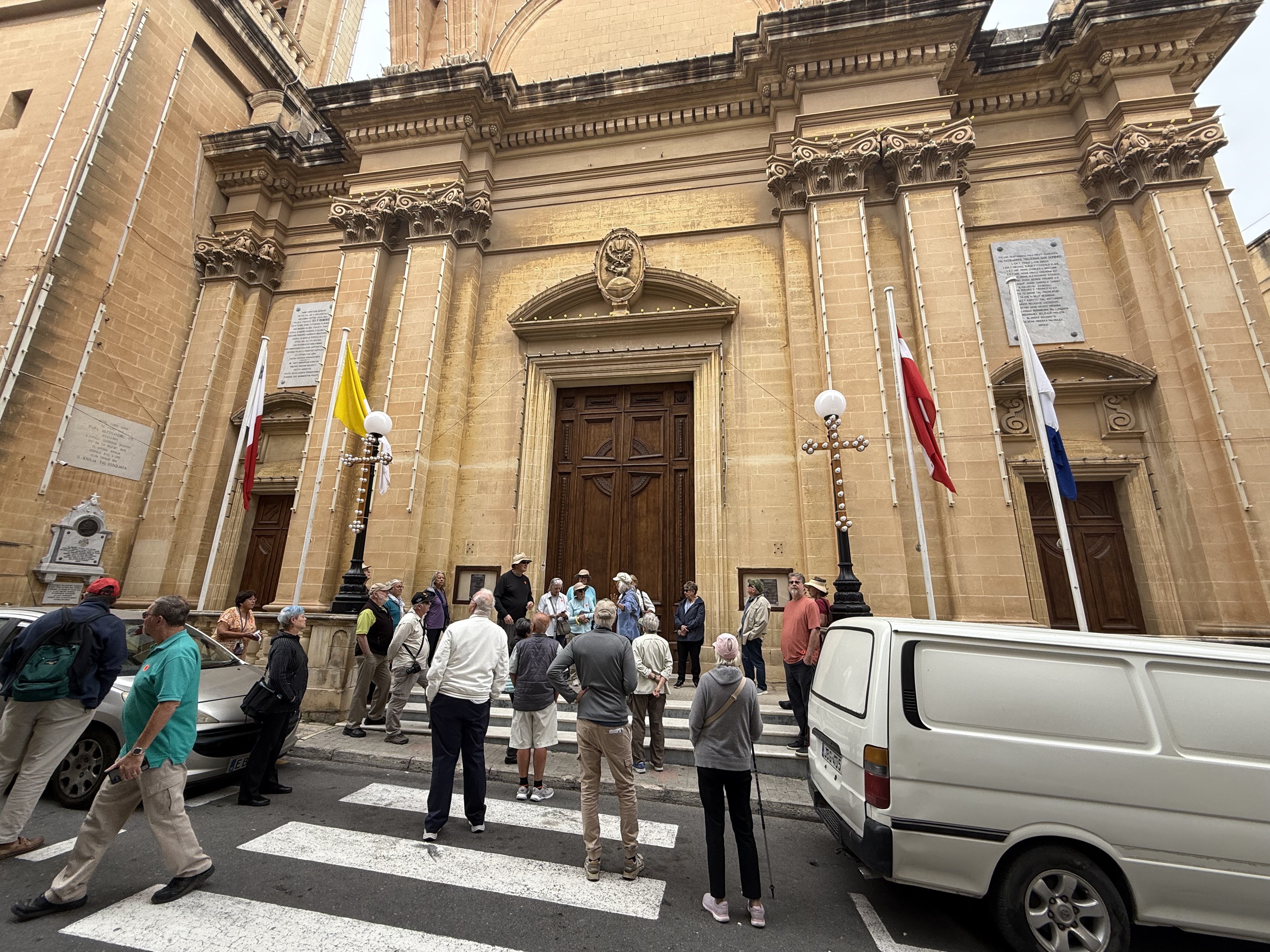
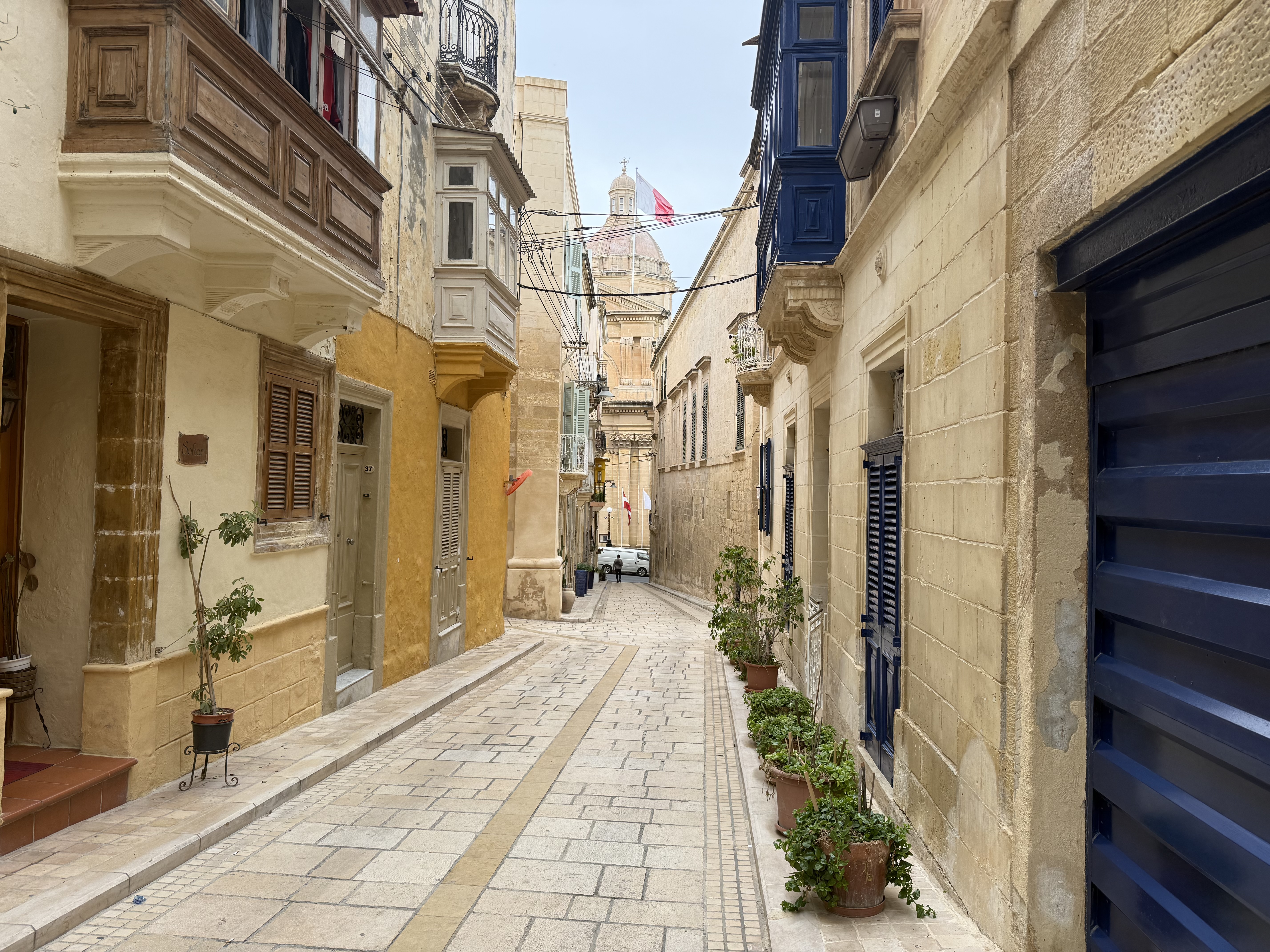
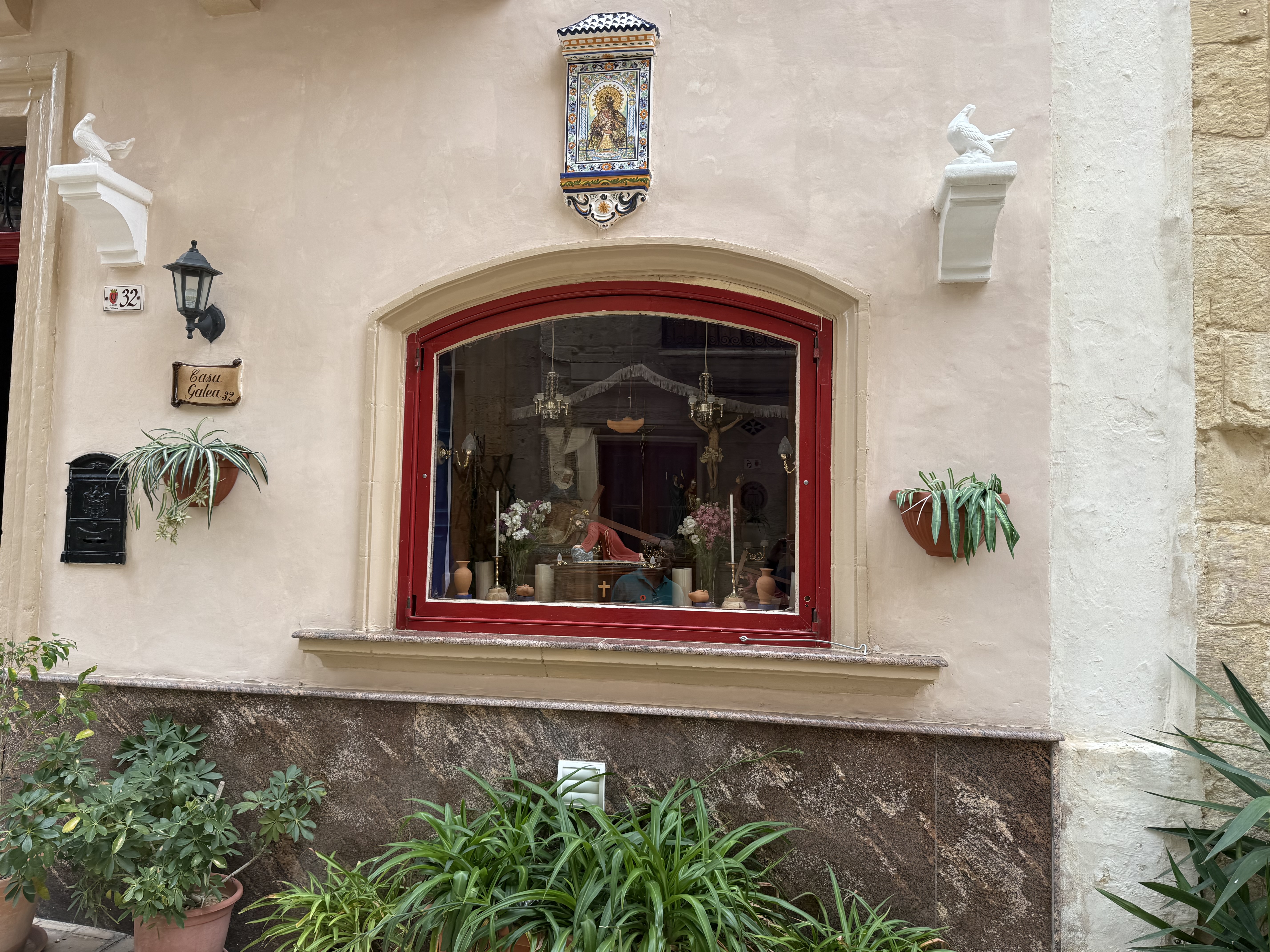


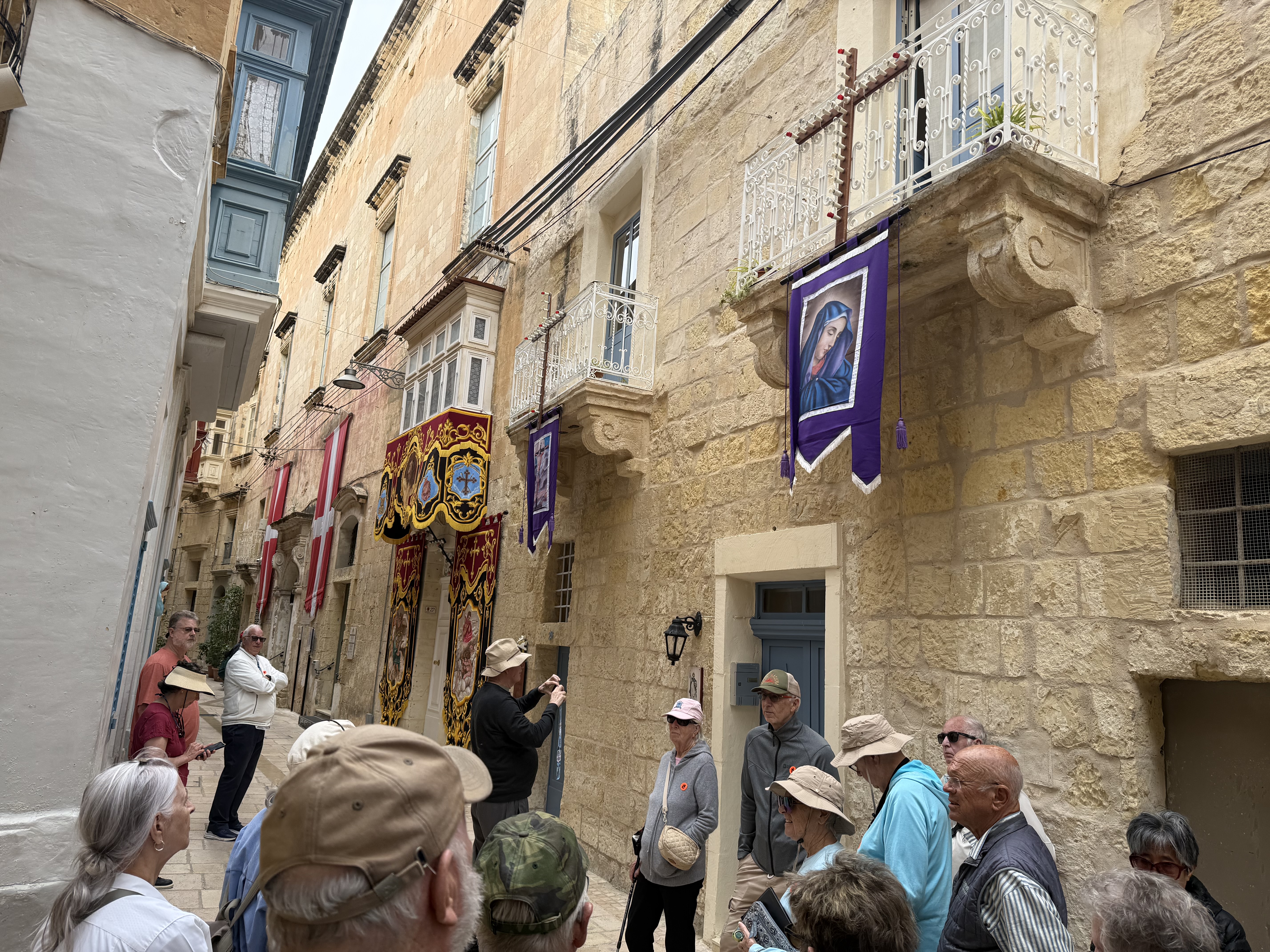
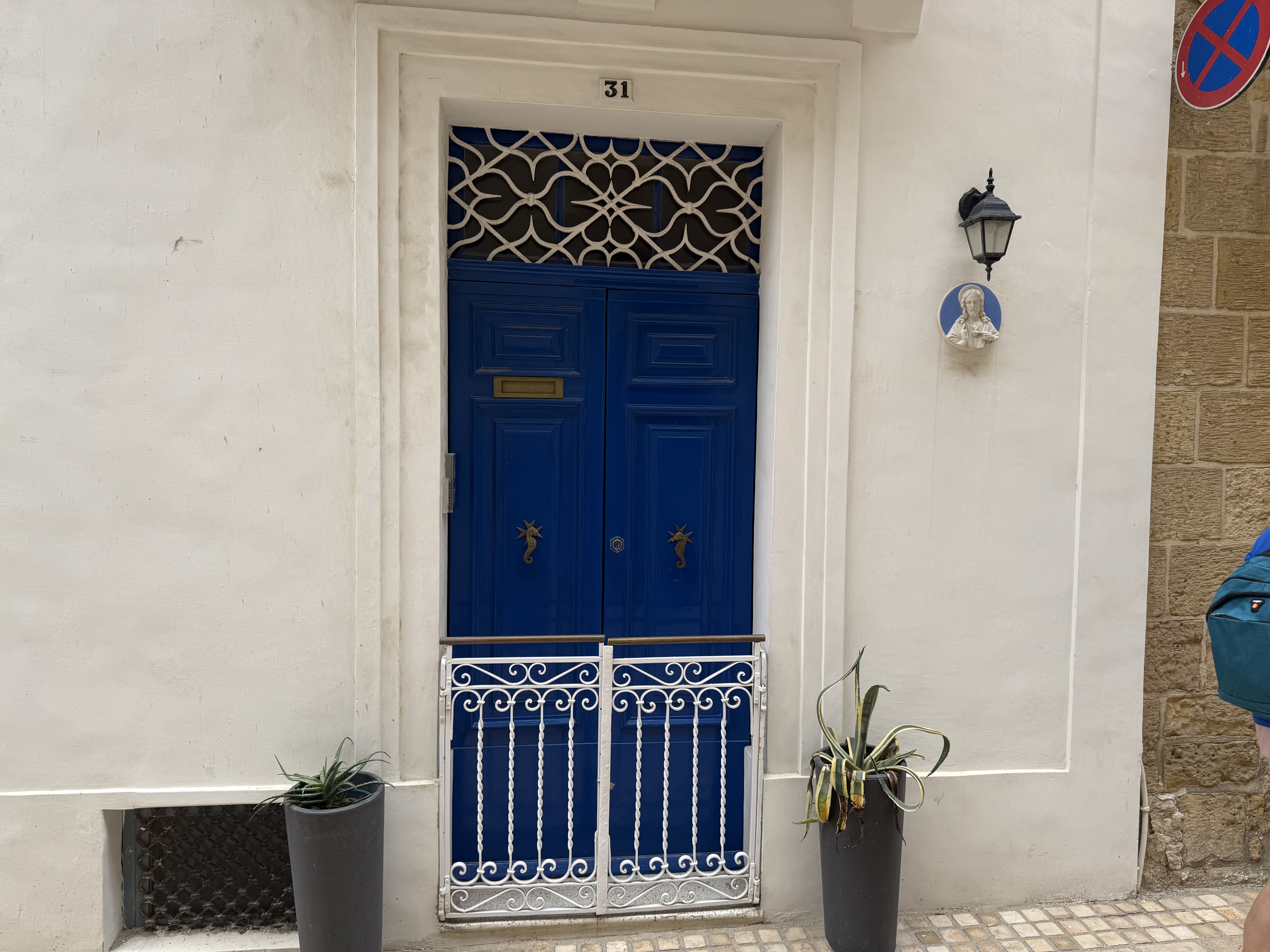
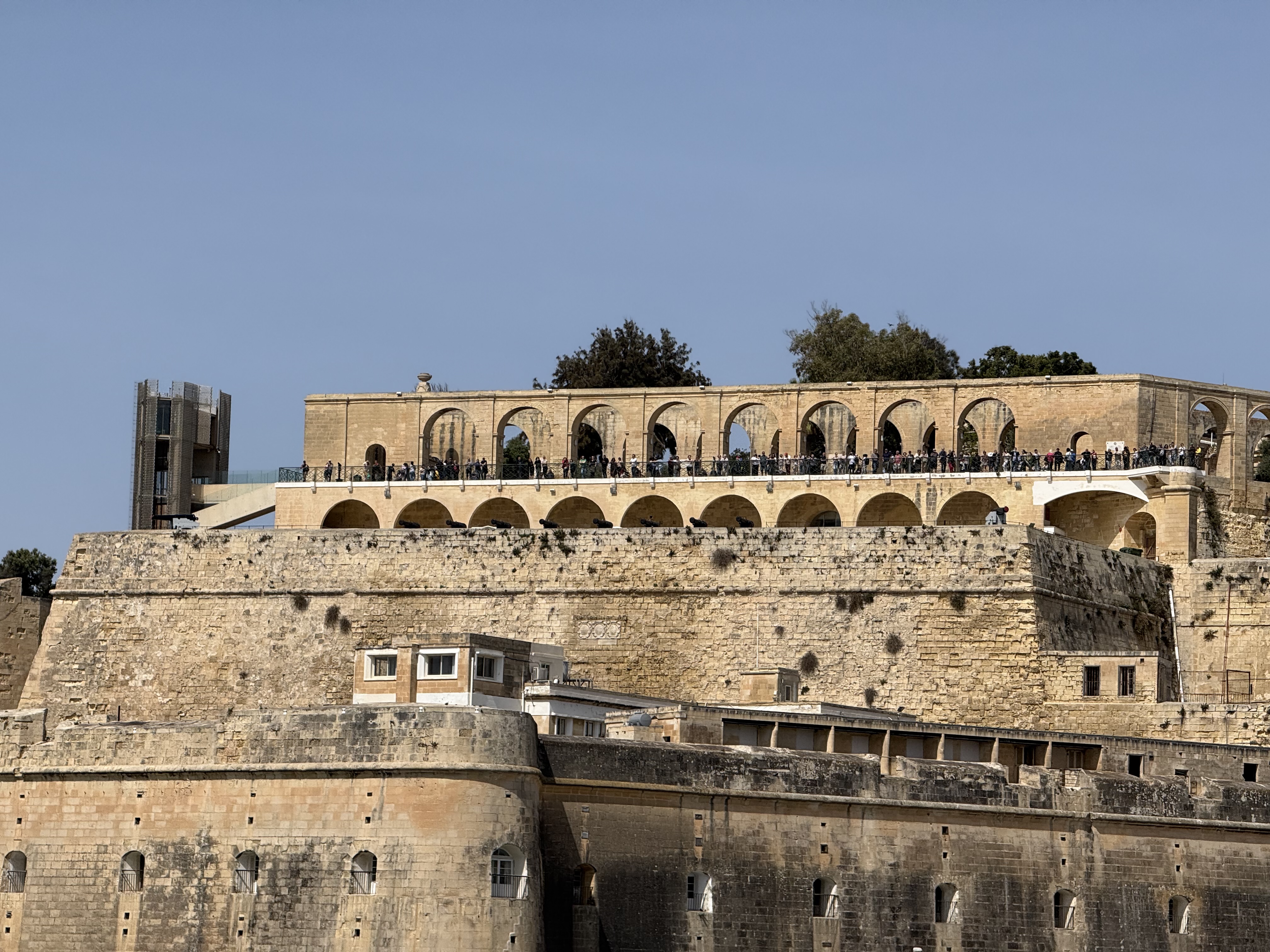
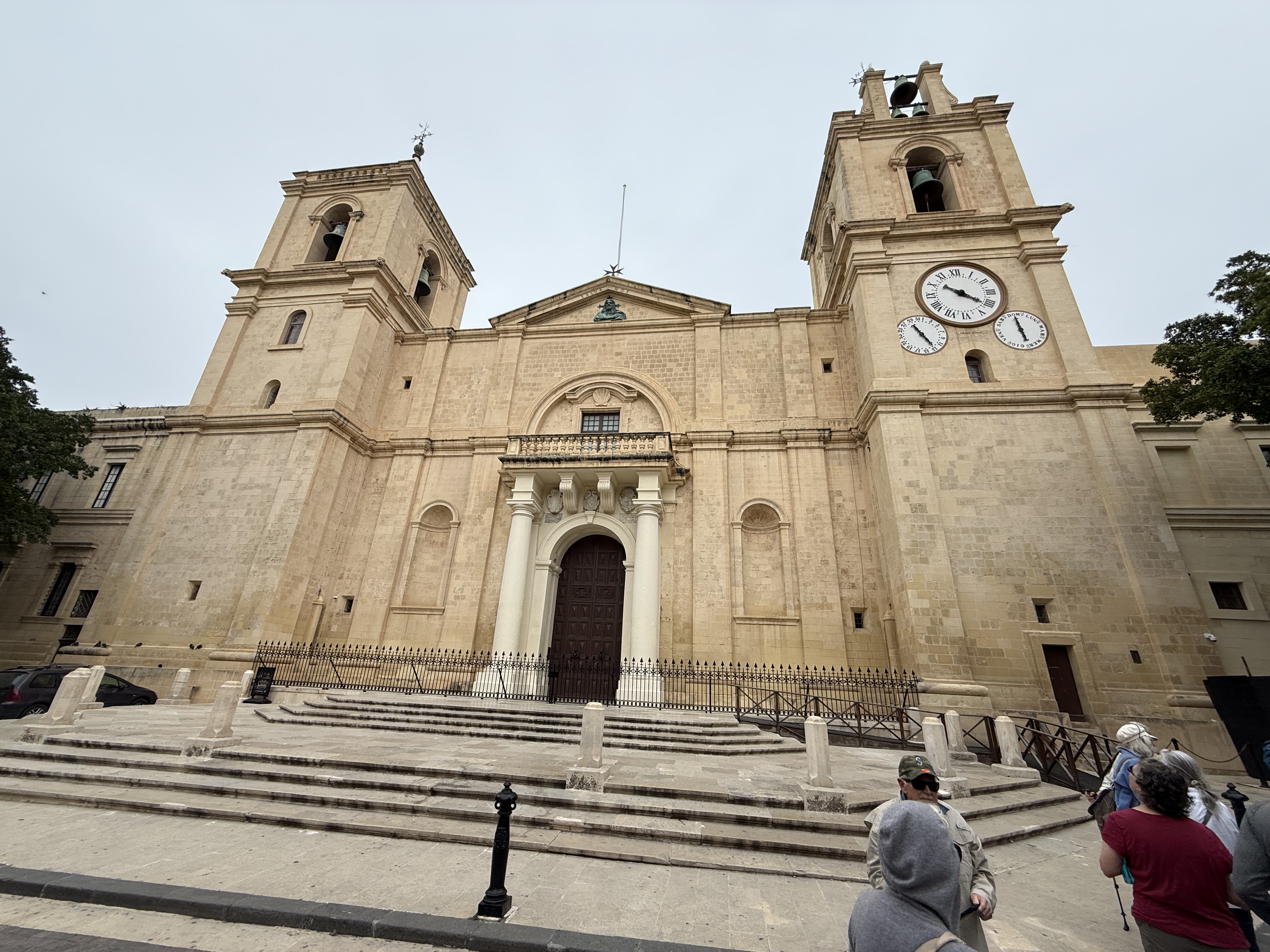
We took a short drive around the harbor; then a walking tour of Valletta. We stopped at the Barrakka Gardens, located on the highest point on the 16th-century bastion walls built by the Knights of St John. From here, we took in the incomparable panoramic view of the Grand Harbour, which was the stage for the Great Siege of 1565, when the Knights bravely fought off the Ottoman invaders. We saw the Grand Master’s Palace from the outside — it now houses both the Knight’s Armory and the President’s Office. We strolled past St John’s Co-Cathedral, where many Knights and Grand Masters found their final resting place.




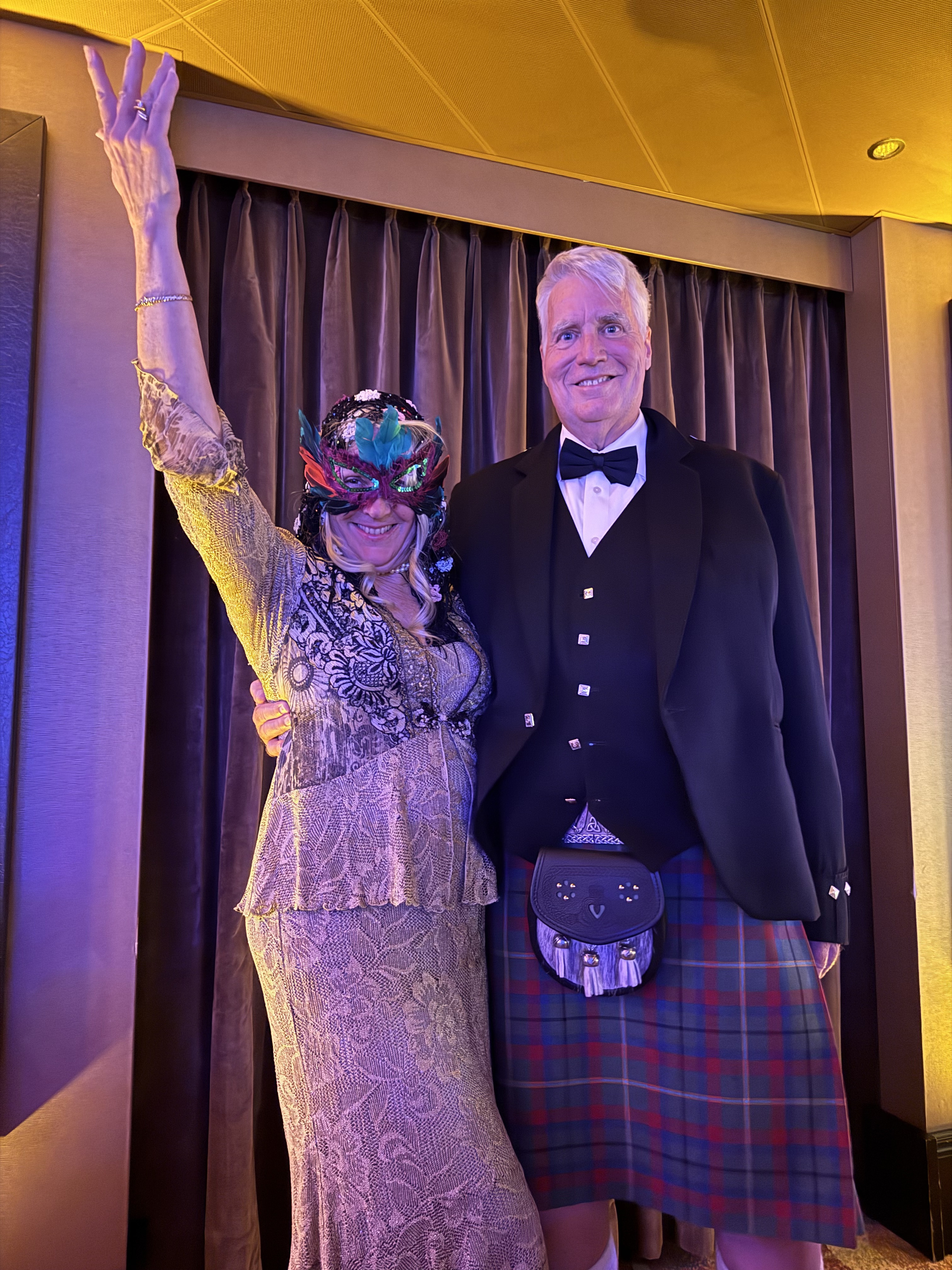
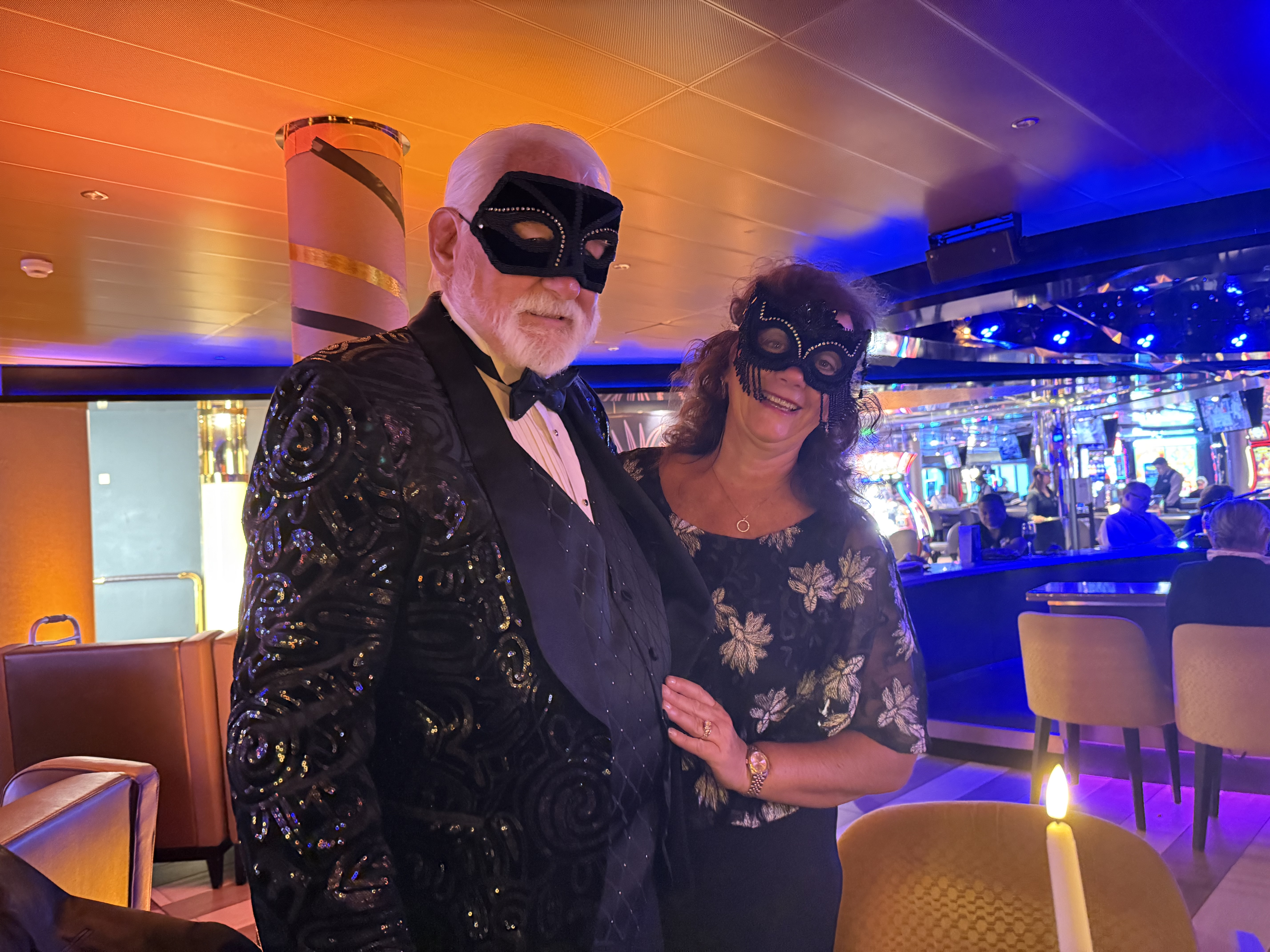
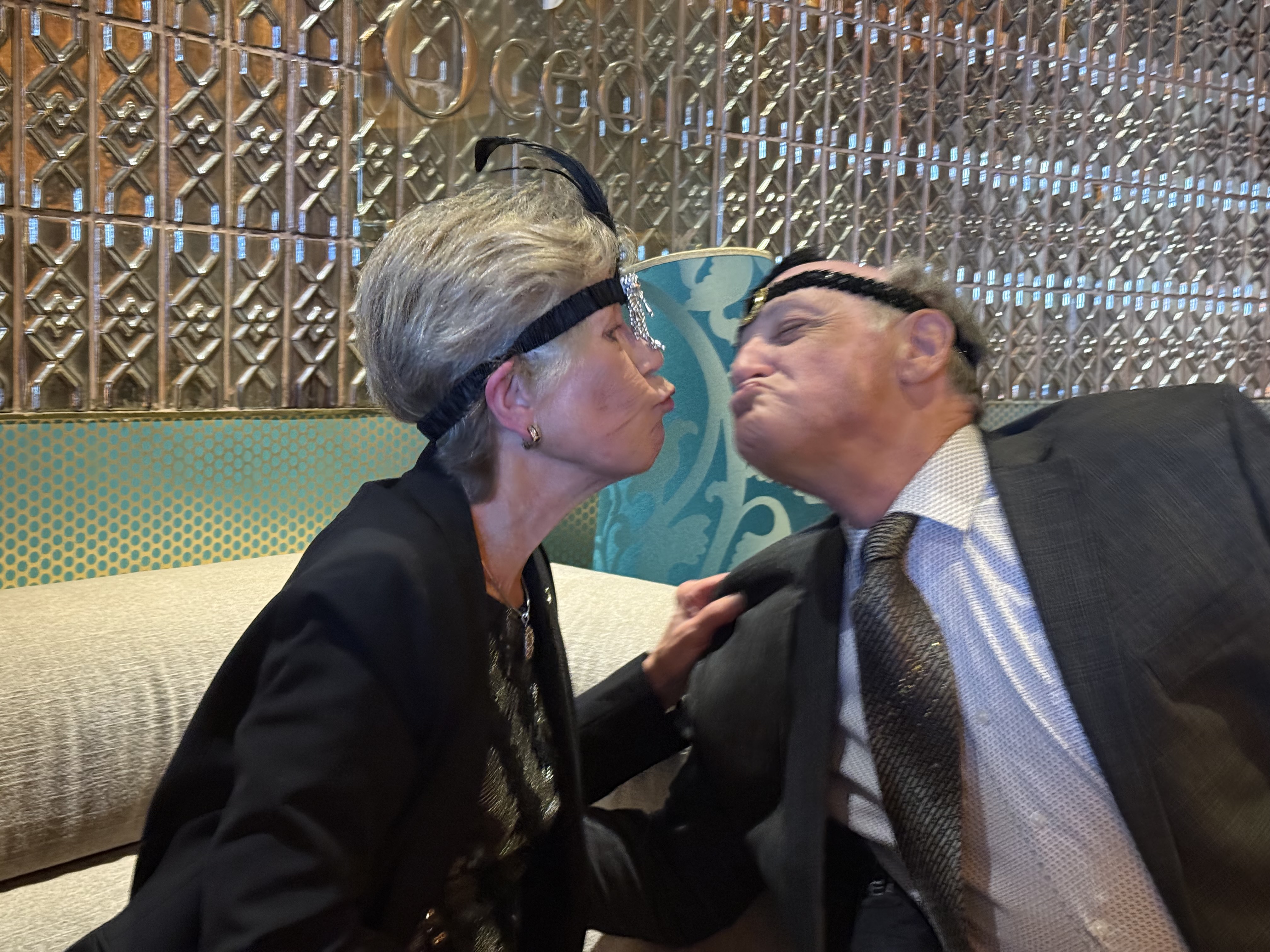
The night before we arrived into Malta was a masquerade party and everyone was wearing mask. After visiting Malta Nana and Papa relaxed in the Ocean Bar and danced to live music.

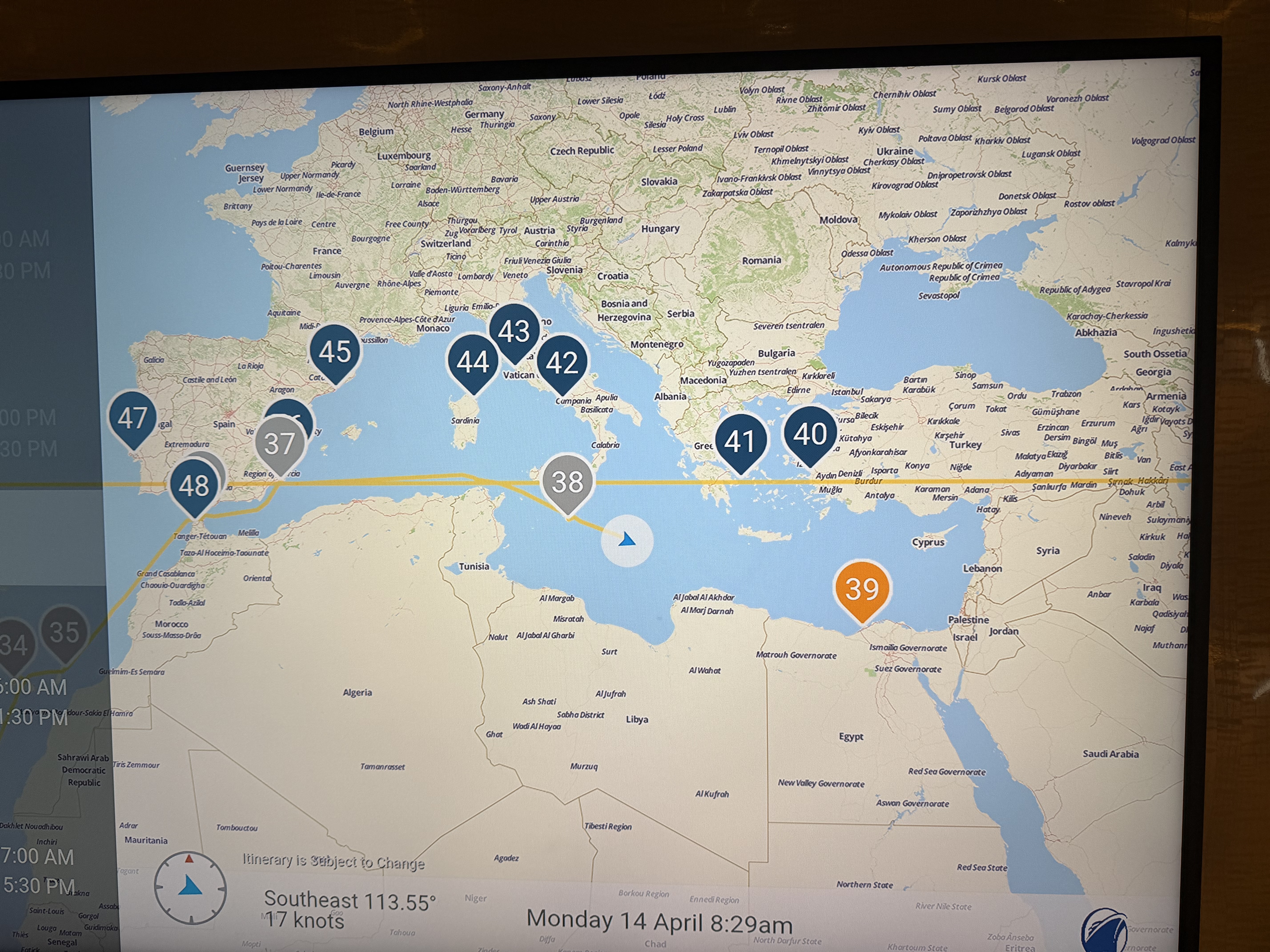
We now have two sea days before we arrive into Alexandria, Egypt. Nana and Papa have not been here before.

 papa carney