So today I will talk about health sensors.
CES this year made one thing clear: health sensors are moving beyond steps and heart rate into everyday, continuous health insight.
Non-invasive monitoring stole the spotlight. Companies teased painless ways to track biomarkers like glucose and hormones—no needles, no labs—bringing metabolic health closer to daily wearables and home devices.
Smaller wearables, bigger insight. Smart rings and compact bands now pack HRV, SpO₂, temperature trends, and recovery metrics into subscription-light (or free) ecosystems, challenging traditional smartwatches.
AI enters the health loop. Platforms from companies like Samsung are using AI to analyze sleep, movement, and even voice patterns to flag potential changes in wellbeing—early awareness rather than diagnosis.
Sleep and respiratory sensing continues to mature, with contact-free monitors and wearables aimed at spotting snoring patterns and possible apnea indicators.
The big trend: sensors everywhere—rings, scales, mirrors, and bedside devices—paired with AI that turns raw data into understandable signals. The caution? Validation and privacy still matter. But the direction is clear: health sensing is becoming ambient, continuous, and personal.
Sleep monitoring and improvement technologies at CES are increasingly non-invasive, AI-driven, and aligned with smart home ecosystems.
💤1. Advanced Scale

Wiithings came out with a new scale that measures just about everyone you can measure on you body. Body Scan 2 smart scale—a $599 “longevity station” that measures weight plus over 60 biomarkers in about 90 seconds, offering insights into cardiovascular performance, cellular health, metabolic efficiency and hypertension risk notifications without a traditional cuff. The scale uses advanced technologies like impedance cardiography and bioimpedance spectroscopy to provide deep health data through the Withings app.
💤2. Contact-Free & Radar-Based Sleep Tracking
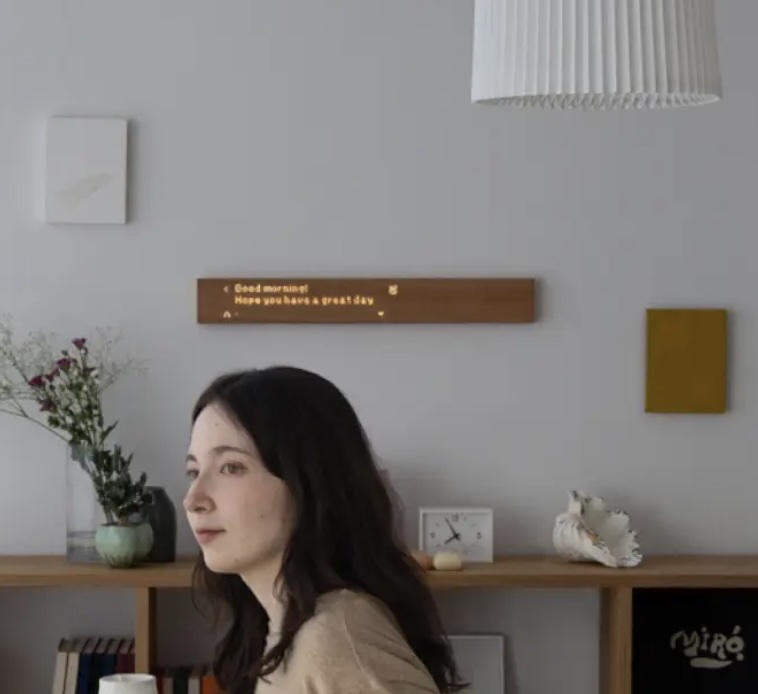
• Mui Calm Sleep Platform (with mmWave tracking): A smart home panel that uses radar sensors to monitor sleep states (breathing & posture) without wearables — aiming for near-EEG level insight and subtle environmental adjustments to improve sleep quality.
💡3. Sleepal® AI Lamp – CES Innovation Honoree
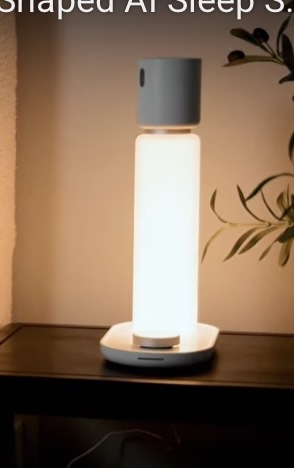
• Contact-free sleep intelligence system using mmWave, thermal, and acoustic sensors to track sleep without wearables. Converts data into personalized coaching, sleep environment adjustments, and integration with smart home platforms (e.g., HomeKit, Home Assistant).
🎧4. Advanced Sleep Earbuds
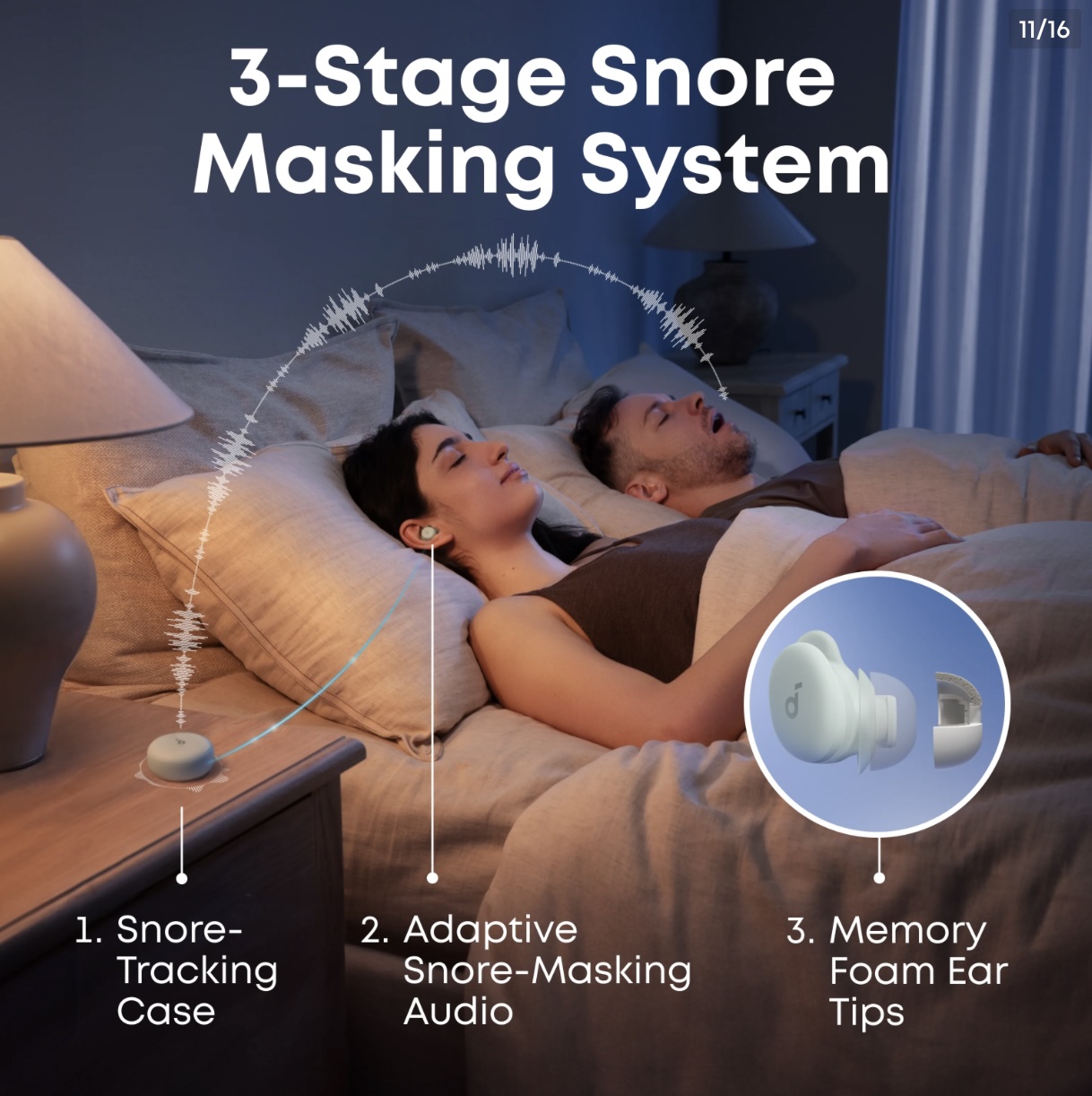
• Soundcore Sleep A30 Special: Sleep earbuds with triple noise reduction, adaptive snore masking, and access to guided sleep content (Calm Sleep Stories). While focused on noise disruption rather than physiological tracking, they help create a better sleep environment.
5. Non-invasive Sleep Apnea Solution
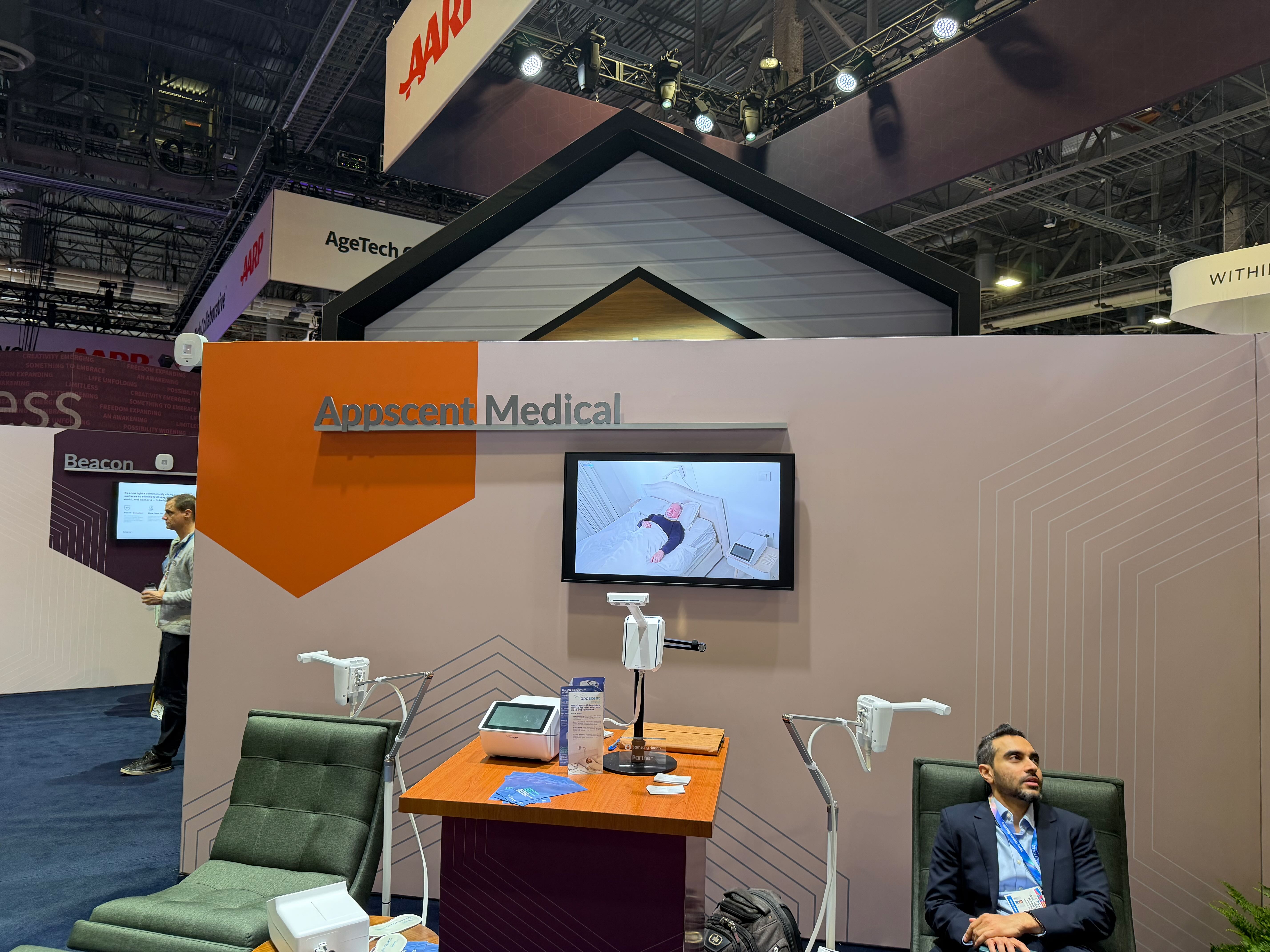
Sleep apnea treatment has long meant CPAP machines, masks, hoses, and noise. But a new approach from Appscent Medical aims to change that entirely. Appscent’s device, called SCENTIFIC®, is a contactless, bedside sleep-apnea system. Instead of forcing air into your airway like a CPAP, it monitors breathing patterns in real time and gently intervenes when it detects the early signs of an apnea event.
How? With precisely timed scent stimulation.
When breathing slows or stops, the device releases a subtle scent designed to trigger the body’s natural sniff reflex, nudging breathing to restart—often without waking the sleeper. No mask. No tubing. No air pressure. This approach is based on clinical research showing that olfactory stimulation during sleep can influence respiration without disrupting sleep quality. Appscent’s system is already approved as a medical device in Israel and is in the process of broader regulatory expansion, including the U.S. and Europe. While CPAP remains the gold standard—especially for moderate to severe sleep apnea—Appscent’s technology could be a game-changer for people who struggle with CPAP compliance, travel frequently, or simply can’t tolerate traditional equipment.

 papa carney