I did a lot of walking at CES. I mean a lot more than I normally do. The first day was fine but each day after got harder as my muscles tired to adapt. One of the big reveals at CES can really help me with that.
Walking Assist Exoskeltons
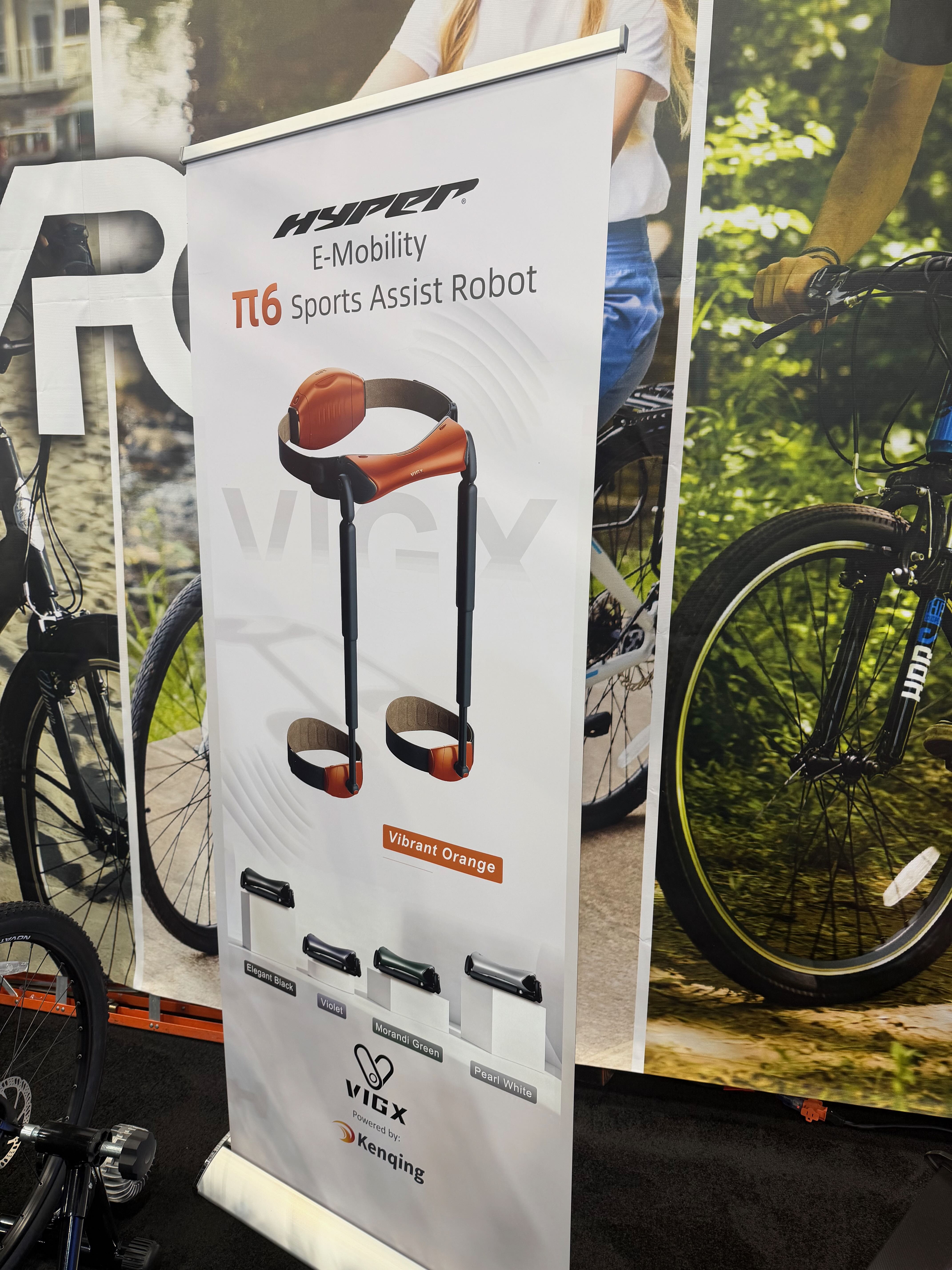
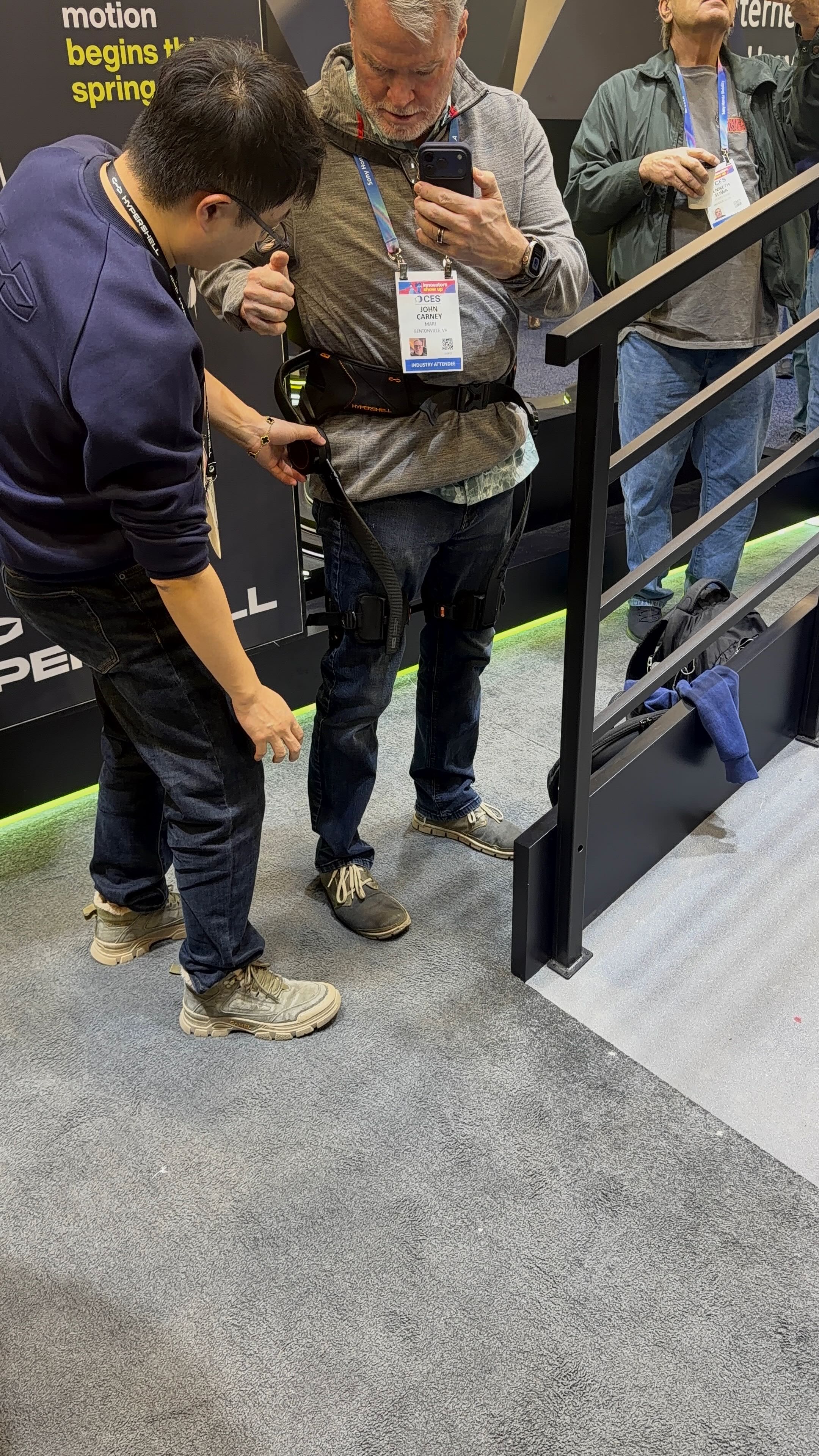
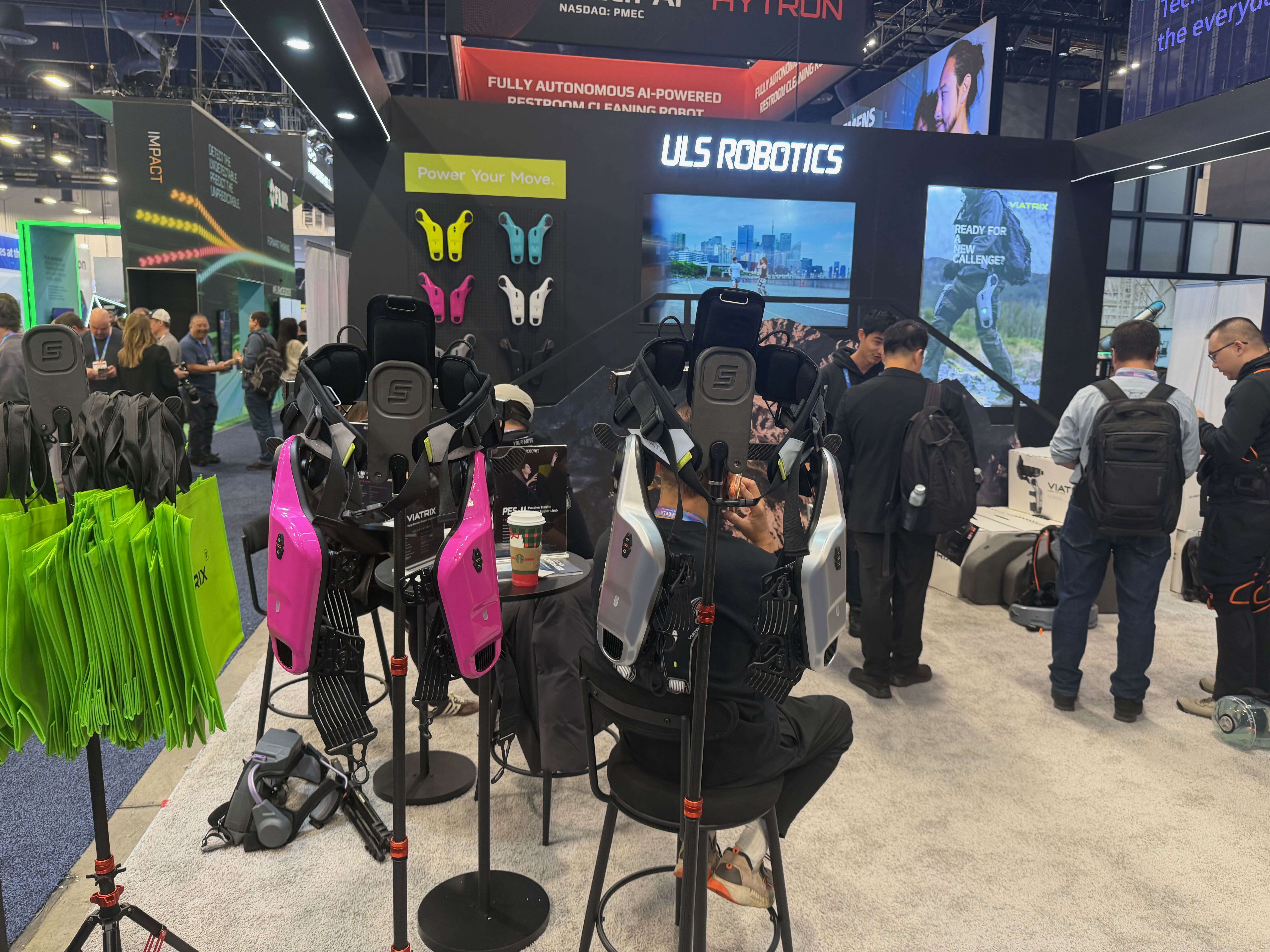
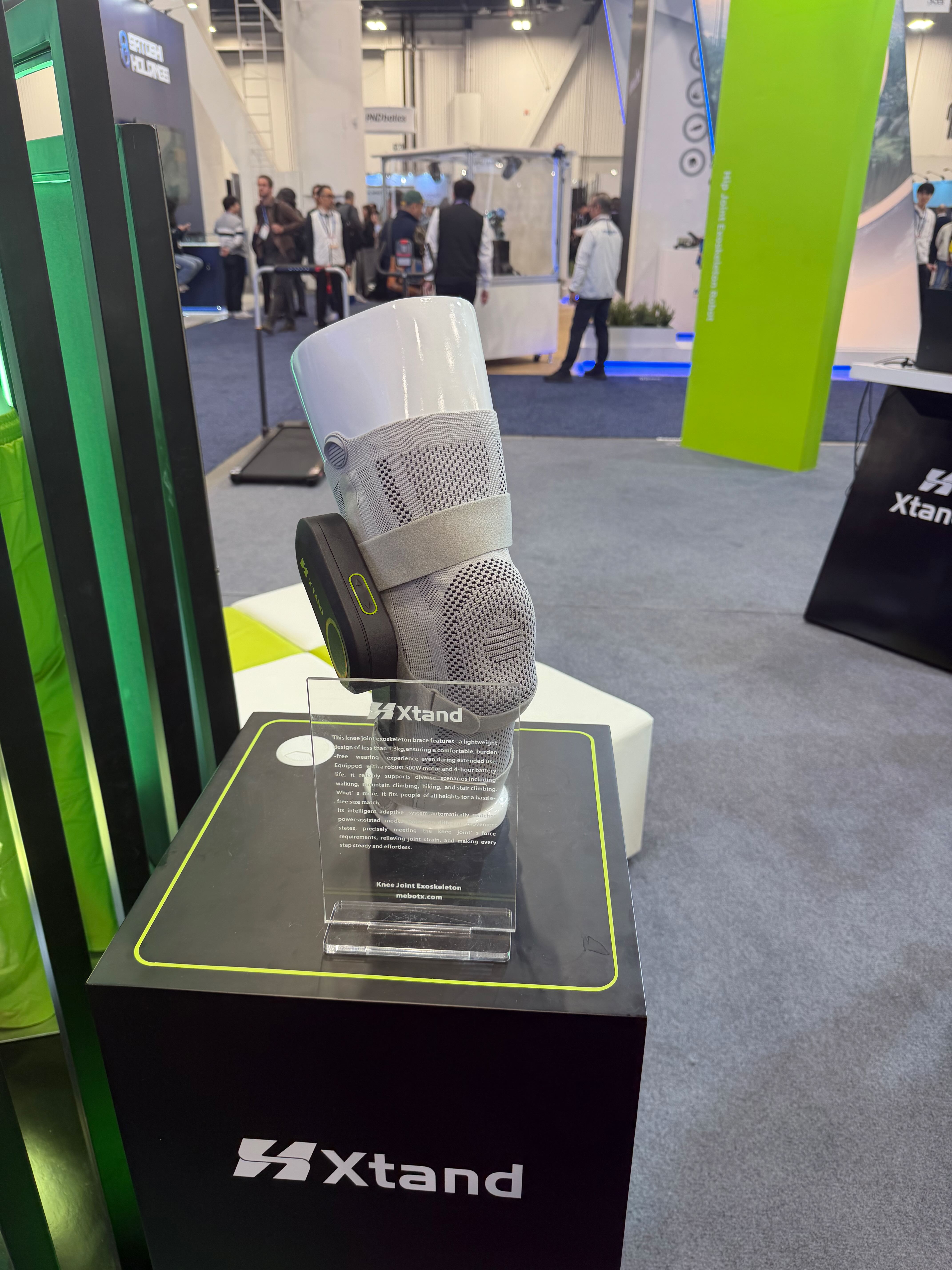
🔹 1. Emphasis on Practical, Everyday Use
At CES 2026, exoskeletons have shifted from bulky, lab-style robots to wearable, consumer-friendly mobility aids. Many new models are lightweight, AI-enhanced, and designed to help people walk, hike, or stay active with less effort — even targeting broader markets like outdoor enthusiasts and older adults, not just clinical or industrial users.
🔹 2. Lightweight & Hip/Knee Support Devices
Ascentiz unveiled a modular exoskeleton system with swappable hip and knee modules — allowing customized support depending on individual needs and activities. These units are notably light and more comfortable than earlier wearables, focusing on natural movement assistance rather than rigid robotic motion.
🔹 3. Fun, Springy Walking Assistance
Dephy’s Sidekick (often referred to as a “bionic boot”) stood out as an ankle/foot-oriented assist device that boosts walking comfort and energy return, making strides feel bouncier and less strenuous. This approach highlights a trend toward engaging, user-friendly mobility tech, not just medical devices.
🔹 4. Award-Winning Pediatric Mobility Tech
WIRobotics’ WIM KIDS wearable robot won a CES Innovation Award in the Digital Health category. It’s designed to assist children with mobility challenges, using intelligent motion tracking and adaptive support to make walking easier and more confident.
🔹 5. Adaptive and Lightweight Series
RoboCT’s GoGo Exoskeleton series, shown for the first time at CES, emphasizes multiple adaptive modes — indicating a trend toward devices that adjust actively to user gait, terrain, or activity type.
⸻
📌 Key Trends Seen at CES 2026
• Exoskeletons are “going mainstream” — becoming everyday wearable tech with practical applications beyond industrial or medical settings.
• New models are often AI-assisted — adjusting support dynamically to movement patterns or terrain.
• Comfort and lightweight design are priorities — many CES exoskeletons weigh only a few pounds and focus on natural movement rather than robotic rigidity.
• Expanded audiences — spanning from seniors and people with mobility impairment to hikers and general wellness consumers.
Now these were nice but even better would be something integrated into my clothing and less bulky. So I looked at clothing integrated walking assist exoskeletons.
walking-assist tech that’s built into clothing (or designed to feel like it), often called soft exosuits, powered movewear, or textile-integrated assistive systems. These aim to give some of the benefits of rigid exoskeletons — like support and reduced effort — but with lighter, more comfortable, and more everyday-wearable designs.
Rather than rigid metal frames, soft exosuits use textiles, embedded sensors, and flexible actuators to assist walking and movement. They can be integrated into pants, sleeves, or full suits that feel more like clothing while providing mechanical assistance.
How They Work
• Textile-integrated actuation: Soft actuators or “exomuscles” are woven into fabric to help apply assistive forces during walking.
• Sensors & control: Embedded sensors track motion and muscle activity to time assistance correctly.
• Goal: Improve gait efficiency, reduce fatigue, and make walking easier without bulky gear.
Advantages
✔ More comfortable and unobtrusive than rigid exoskeletons
✔ Can be worn like normal clothing
✔ Better for everyday use (shopping, work, leisure)
✔ Less bulky and lighter weight than hard robotics
The Compaison
Best “clothes-like” assist tech today: MO/GO powered pants — high power, integrated into pants, more comfortable than bulky rigs.
⚠️ True soft garment exosuits that feel like everyday clothing are still mostly prototypes or medical, not consumer products yet.
🔎 Most accessible daily assist tech right now is still frame-based exoskeleton wearables like the Dnsys X1 and similar.
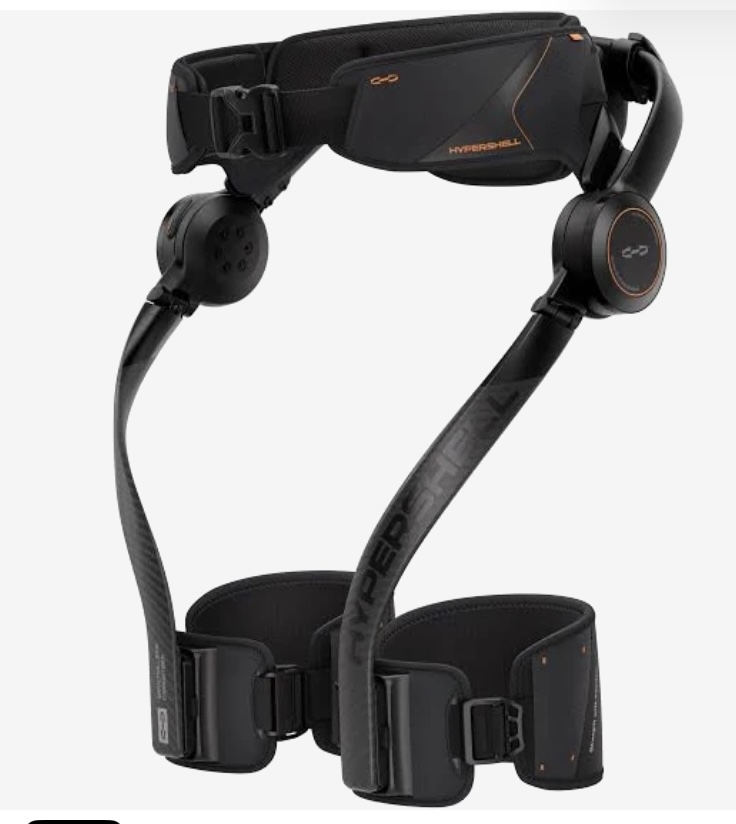
So back to the bulky exoskeletons….. what would I buy…. The Hypershell X Ultra which my brother and I got to test out !!
| Model | Drive / Assist | Battery | Best Use | Price |
| DNSYS X1 | AI hip assist (1.2 HP) | ~7–14 h / 20 km+ | Daily/adventure | $799–$999 |
| Hypershell X | AI motion | ~15 km | Daily + hikes | ~$899 |
| Hypershell Carbon X | AI motion (lighter build) | ~15 km | Tough terrain hikes | $899–$1,599 |
| Hypershell X Ultra | AI motion + stronger motors | ~30 km | Extended outdoor | ~$1,999 |
| AI Wearable Exoskeleton | Varies | Varies | Mid-range assist | ~$1,375 |
| Wearable Robots Exoskeleton | Heavy support | Depends | Specialized mobility | ~$4,500 |
| Auxivo Omni Suit | Lifting assist | — | Industrial | ~$3,995 |
| SideKICK Walker Boot | Non-powered support | n/a | Rehab/ec static support | ~$73–$100 |
Hypershell X Ultra – ~$1,999
Premium rugged exoskeleton with more powerful motor and extended range (~30 km with dual batteries), hundreds of watts of assist, and smart app support — excellent for extended hikes or outdoor excursions.
🔋 Battery: ~30 km range with dual battery.
⚖️ Best for: Serious hikers, longer multi-day treks.

 papa carney