Key Takeaways from CES 2026 Robotics
1. Robots are transitioning from showpieces to functional machines
Humanoids at this show weren’t just posing — many demonstrated task execution relevant to homes, factories, hospitals, and service roles. I was especially impressed with the hands and the robot hand effectiveness. This has been an issue in the past as the robots had job specific appendages. The keyword here is transitioning, robots still have a long way to go and be cost effective. My grandchildren will be using robots but not me for the immediate future.
2. AI and advanced sensing are core enablers
Vision-language models and AI planning frameworks are central to robot autonomy, enabling more complex real-world interactions. Most of the robots I saw were tentative and the sensors and processing needs to be improved.
3. Consumer robotics is diversifying
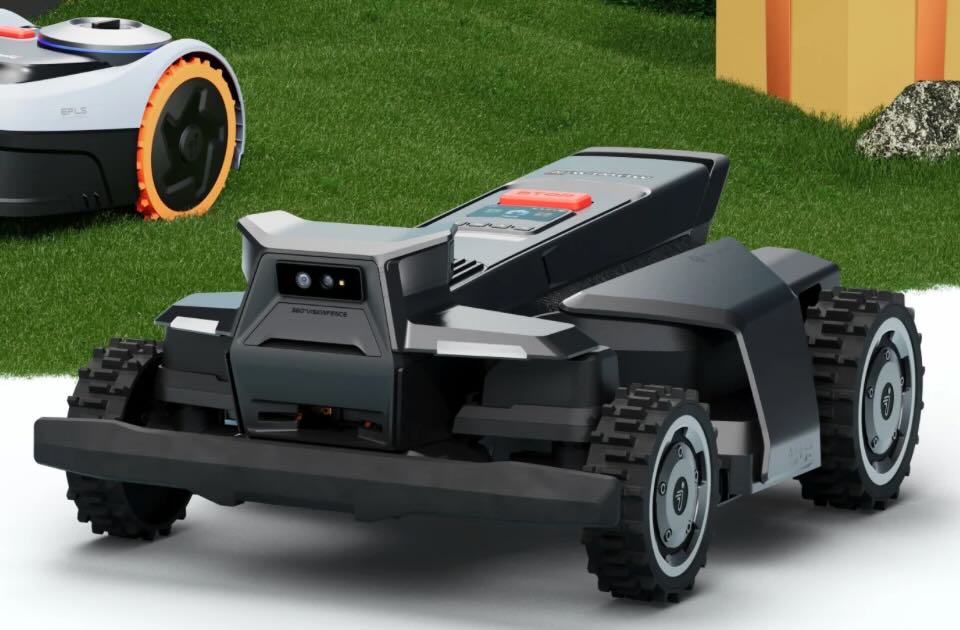
From vacuum robots with terrain agility to lawn-mowing and robot pets, robotics is spreading into everyday life. I loved the laundry folding robot, I saw a machine that folded laundry but it never came to market. Robots are certainly up for this task as well as many other home chores. Cost is still a big factor with a home robot costing $50K. Robots are very effective for job specific tasks, like mowing a lawn, cleaning a pool, and cleaning floors. Any general use robot isn’t there yet.
4. Commercial & industrial deployments are the next frontier
Partnerships and production timelines (e.g., 2026 factory rollouts) indicate robots will soon operate beyond controlled test environments. This is probably the one area in 2026 that robots will be effective.
China Leads in Humanoid Exhibitors — Chinese firms made up a significant share of humanoid robotics exhibitors, showing varied capabilities like synchronized performances and task demos.
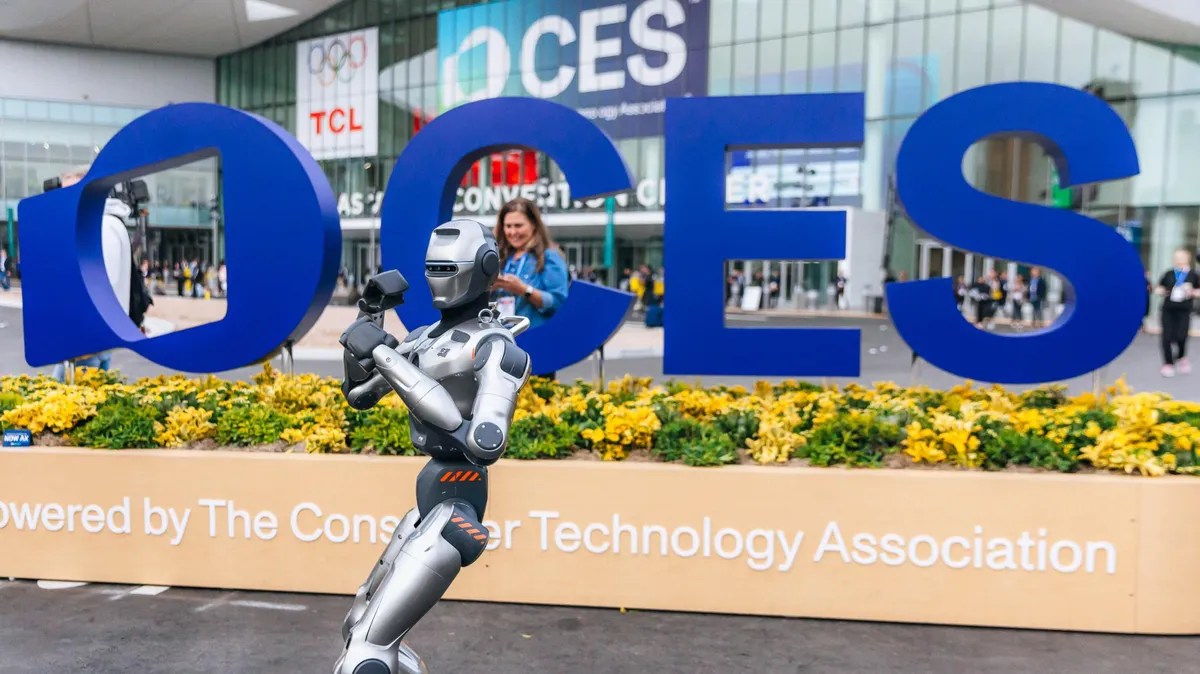
Here are some of the robots we saw: Major Humanoid Exhibits
• Boston Dynamics & Hyundai’s Atlas — A production-ready Atlas humanoid robot demoed with fluid motion and future industrial roles (e.g., factory support).
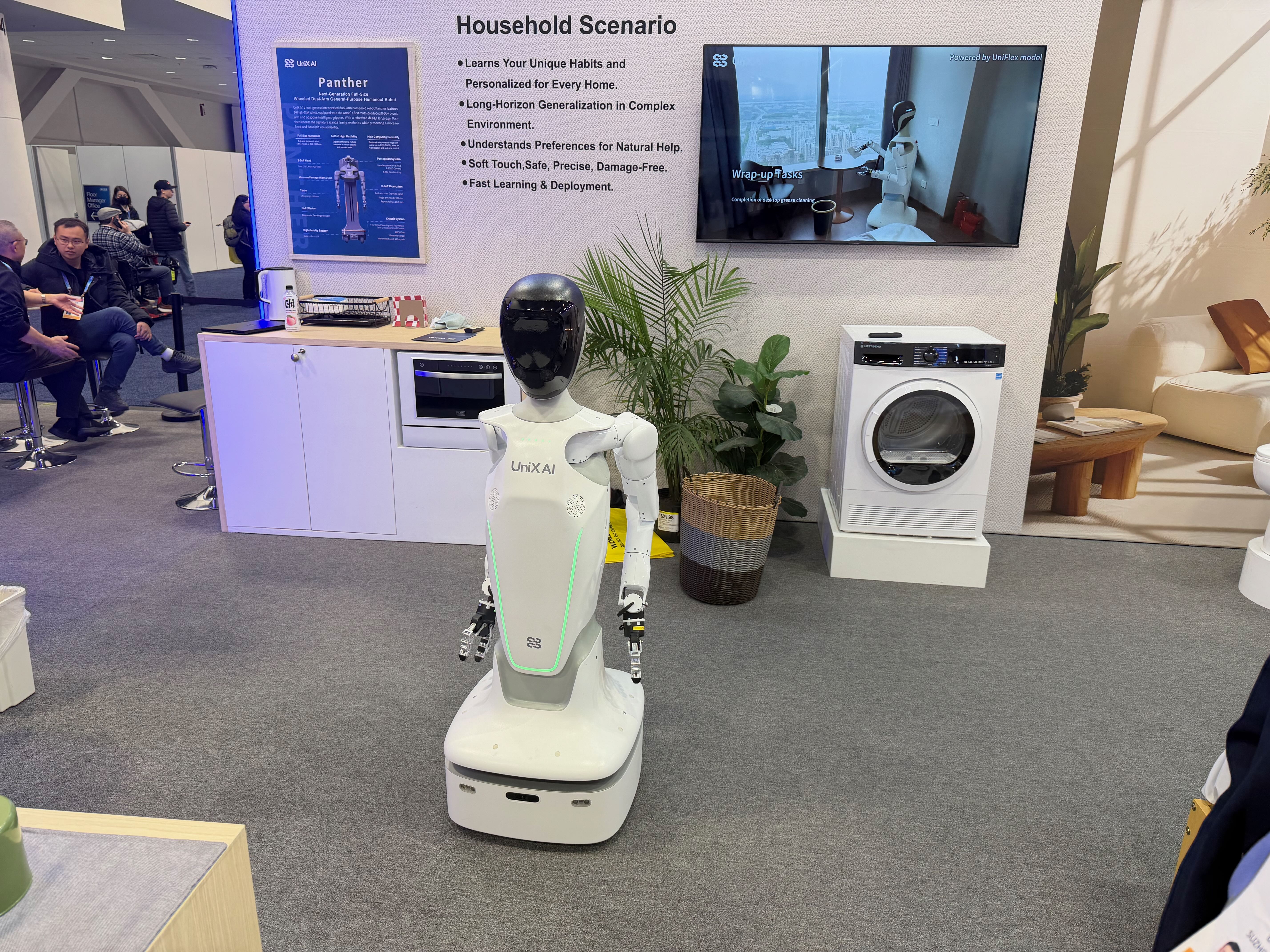
• LG CLOiD — A home-assistant humanoid that demonstrated chores like folding laundry, loading dishwashers, and interacting with kitchen tech.
• SwitchBot Onero H1 — A wheeled base robot with articulated arms handling everyday tasks like moving laundry or opening appliances, emphasizing stability and integration with smart homes.
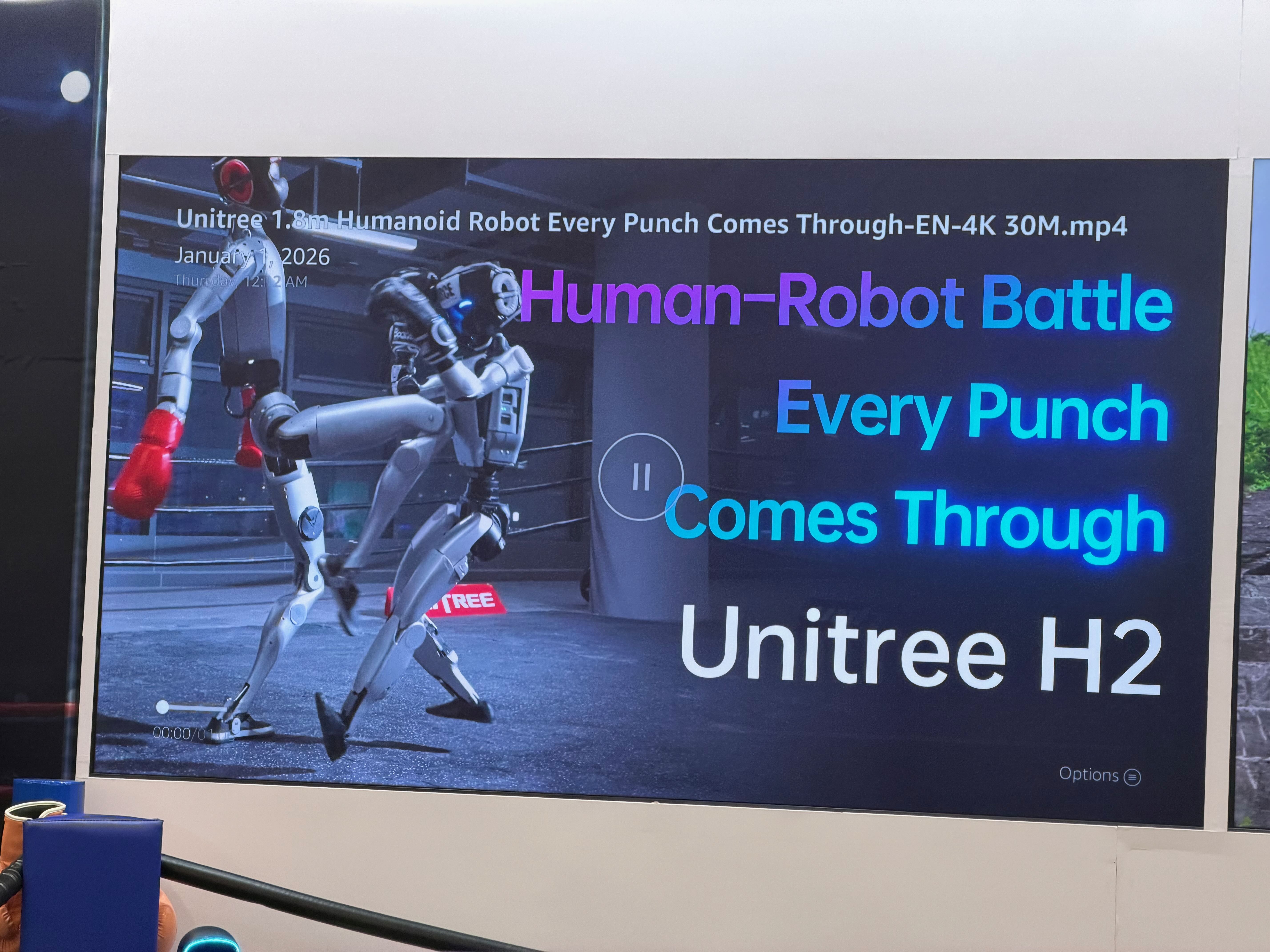
• Unitree Robotics lineup (G1, H2, R1) — Robots balancing agility and load capabilities, designed for both commercial and mass-market readiness.
• NEURA Robotics 4NE1 (Gen 3) — A general-purpose humanoid with enhanced torque joints and fleet learning capability.
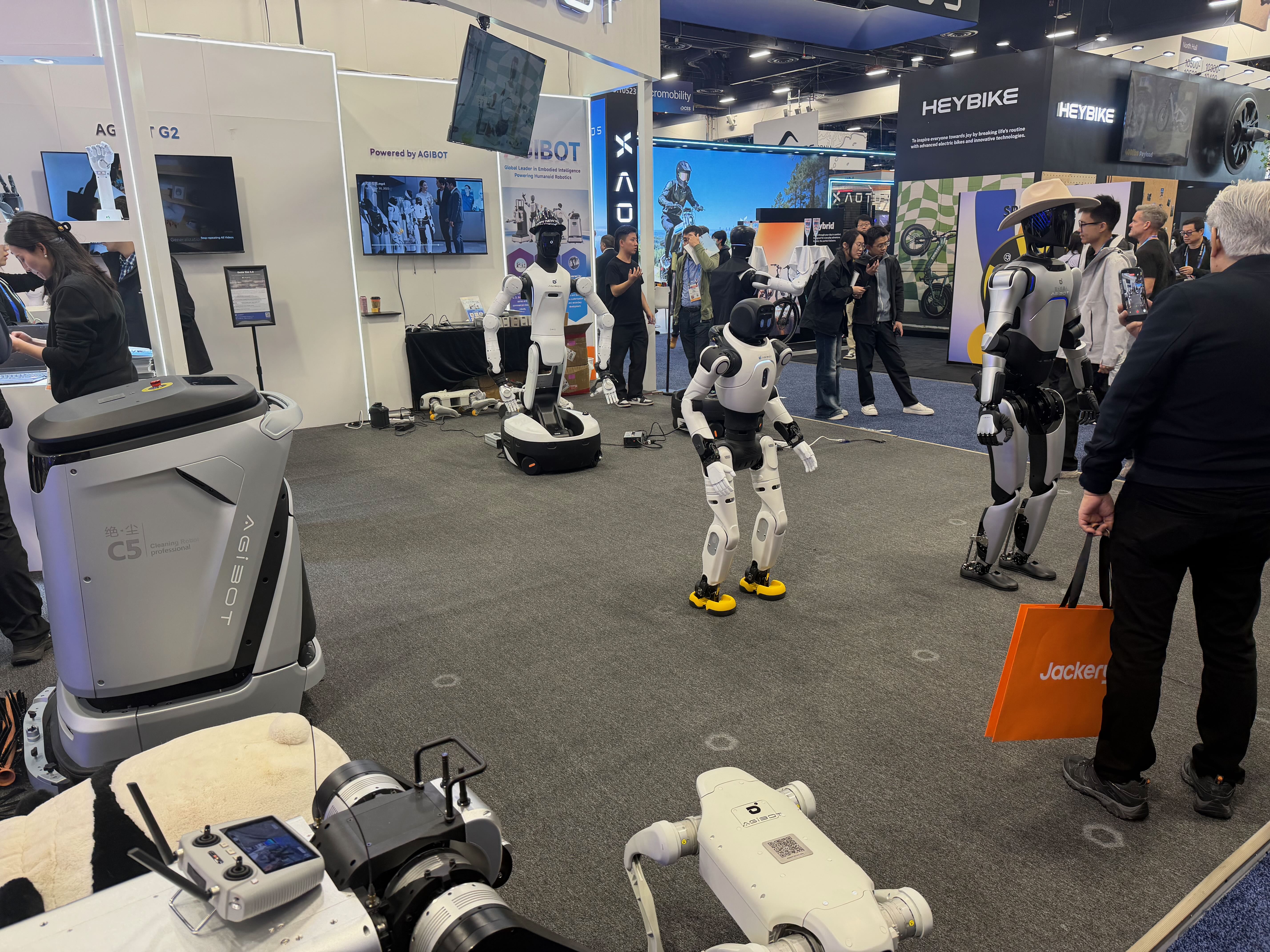
• AgiBot A2 Series — Robot geared toward hospitality and public environments with autonomous navigation.
• LEM Surgical Dynamis — A robot focused on surgical aid, especially spinal and orthopedic tasks.
• Fourier Robotics GR-3 — Designed for caregiving and public service use, shown with interactive demos.
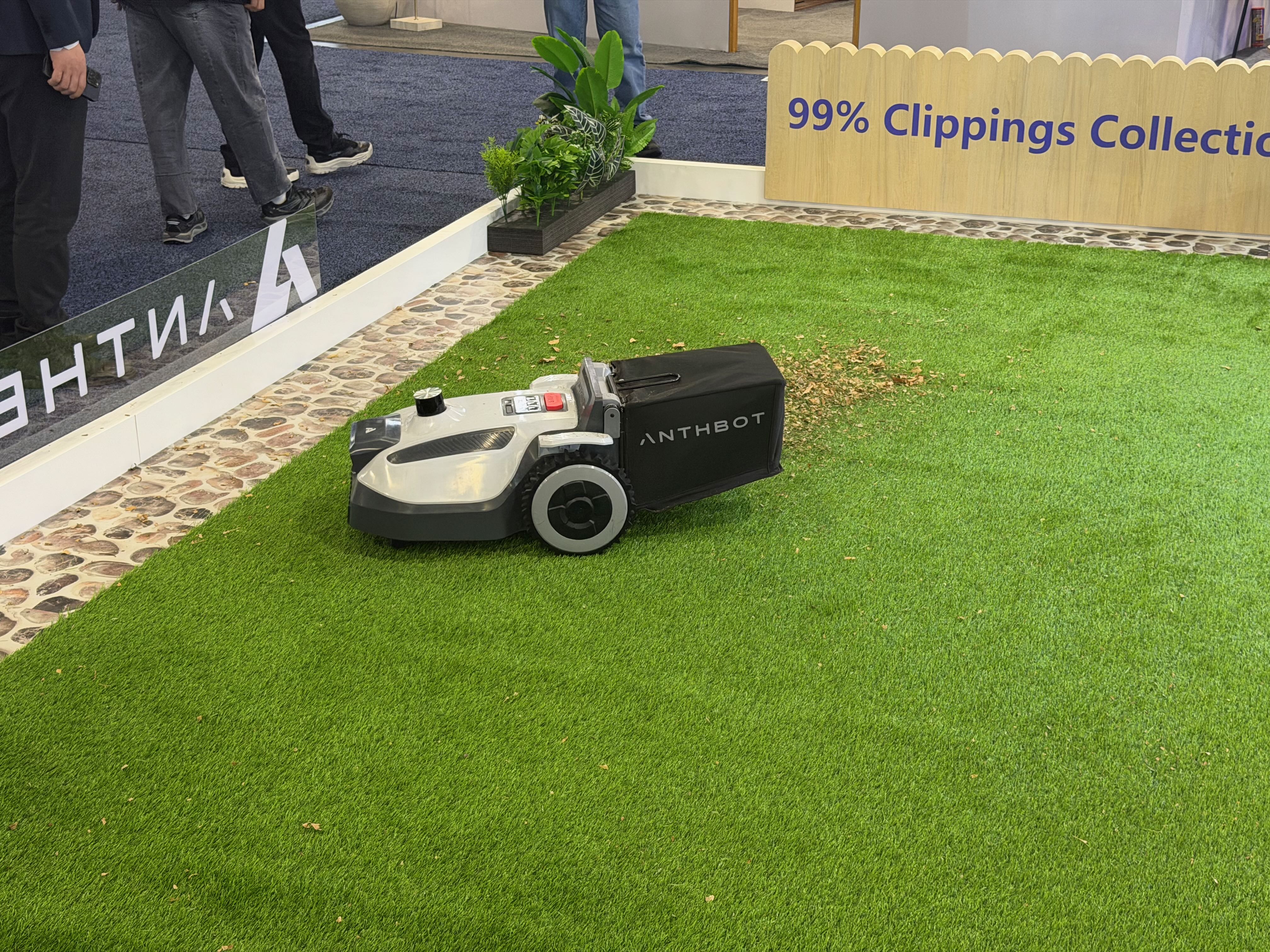
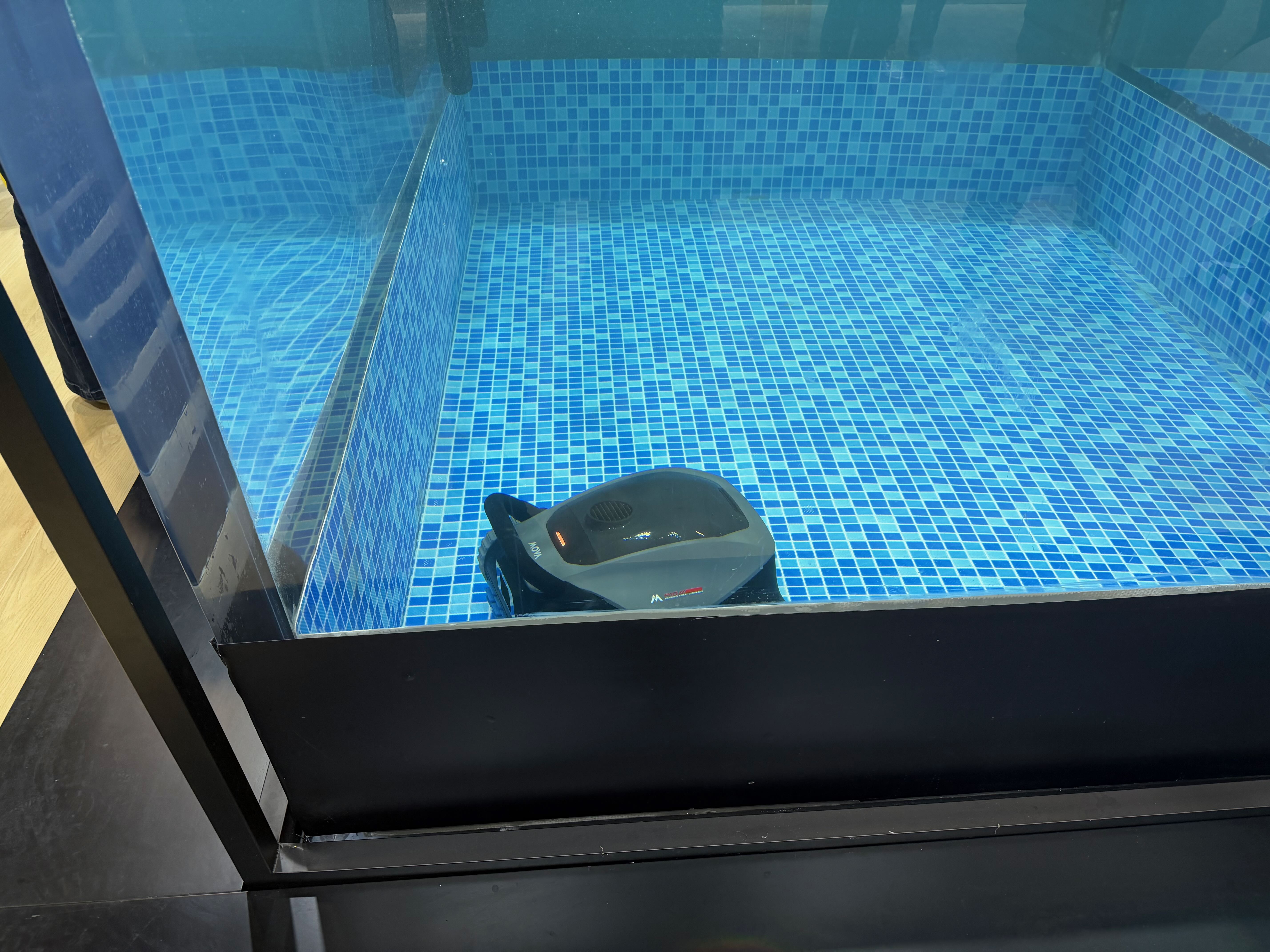
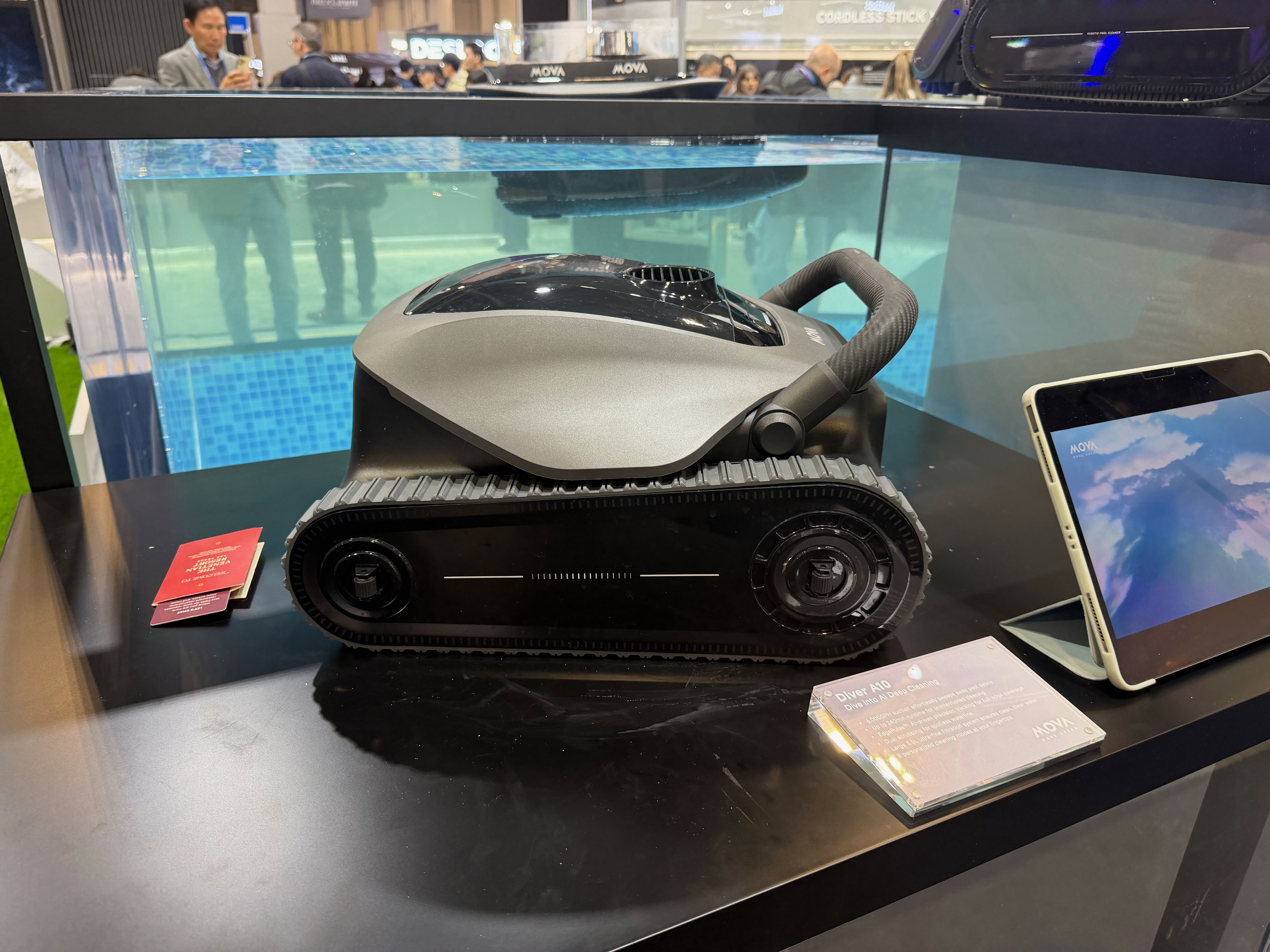
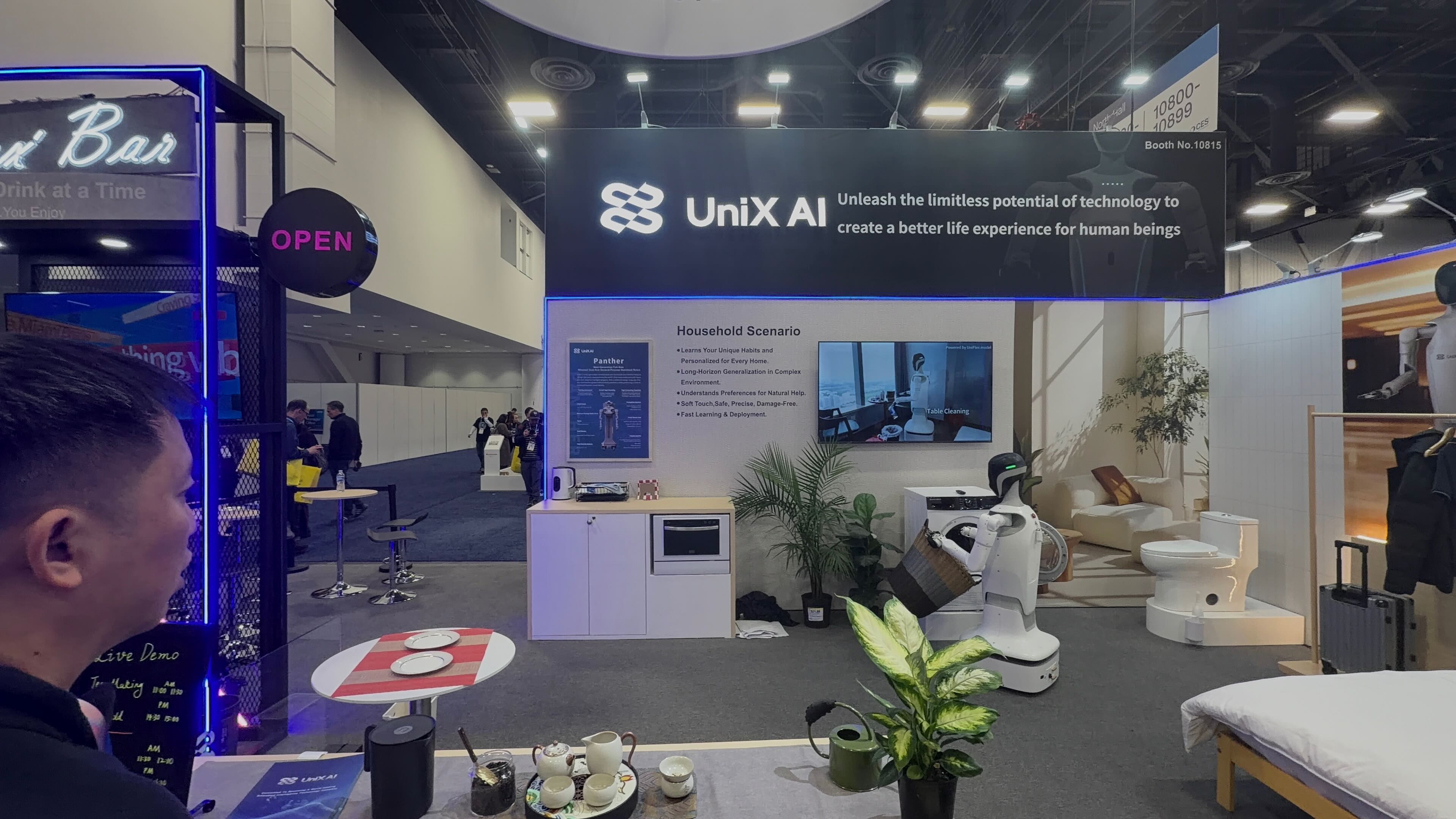
Pool Cleaning robots have significantly improved. They pull themselves out of the water and charge automatically, they can test for chemicals, they can add chemicals, they clean the walls, floor, stairs, as well the surface.Lot’s of companies offering new and old models.
While vacuum and mopping robots have been around for a long time, the interesting feature this year are attachments that can take the robots up and down stairs, both with a caterpillar tread as well as a drone. Vacuum robots and mopping robots were mostly combined and the chargers all cleaned them, refilled water as well as charging.

 papa carney