Today is a sea day. A lot of Star Trek activities planned for today.
My theme for the Star Trek blogs continues “Why is Star Trek so cult like ?” The topic today is: It Offers a “Better Future” Philosophy. At its core, Star Trek isn’t just entertainment—it’s a vision of how humanity should be.
• No poverty
• No hunger
• No racism
• Science + ethics working together
• Cooperation over conflict
From Star Trek: The Original Series to Star Trek: The Next Generation, fans weren’t just watching stories—they were buying into a moral universe. Many fans genuinely believe: “This is the future we want.” That’s powerful. It turns a TV show into a worldview.
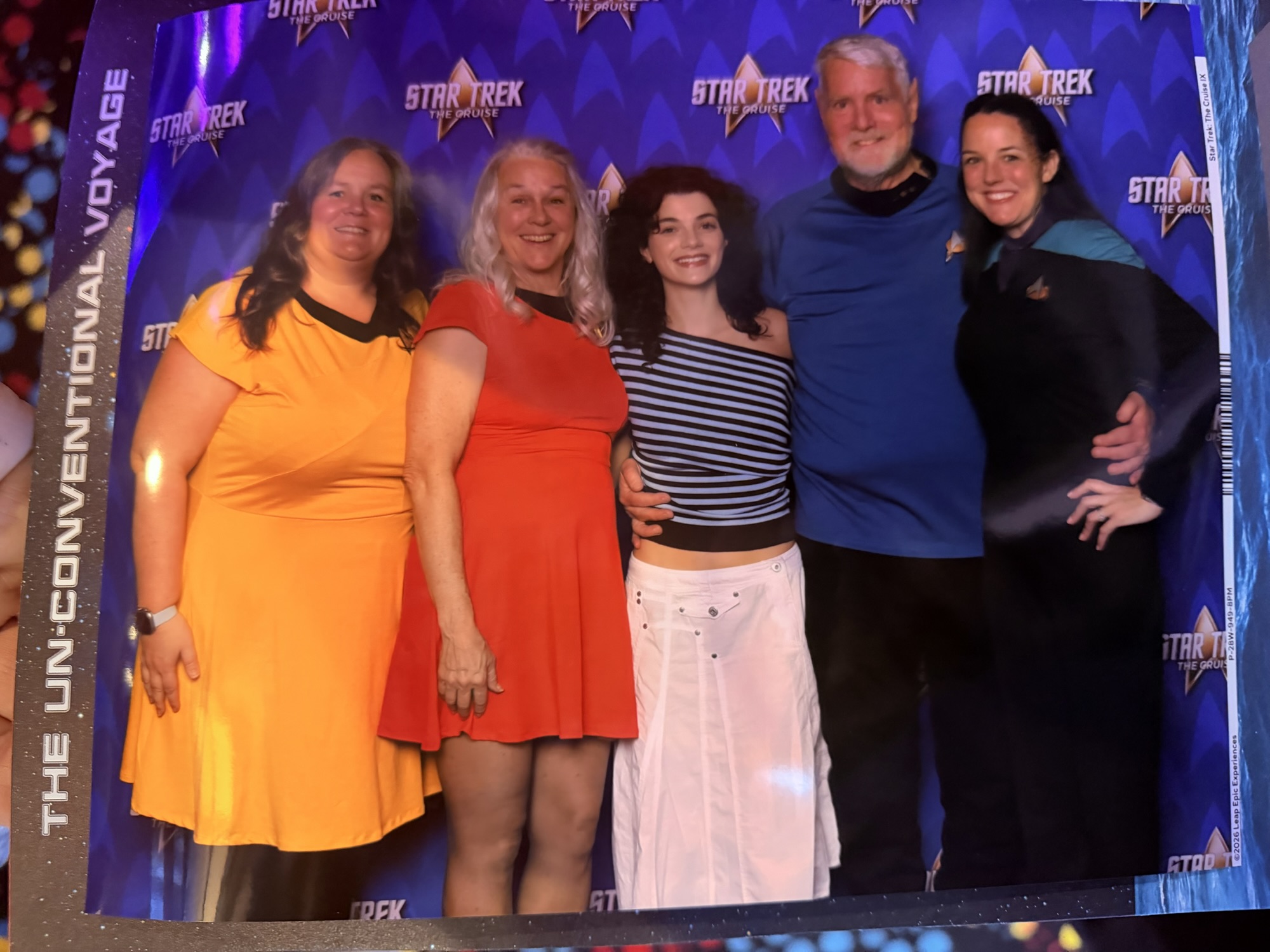
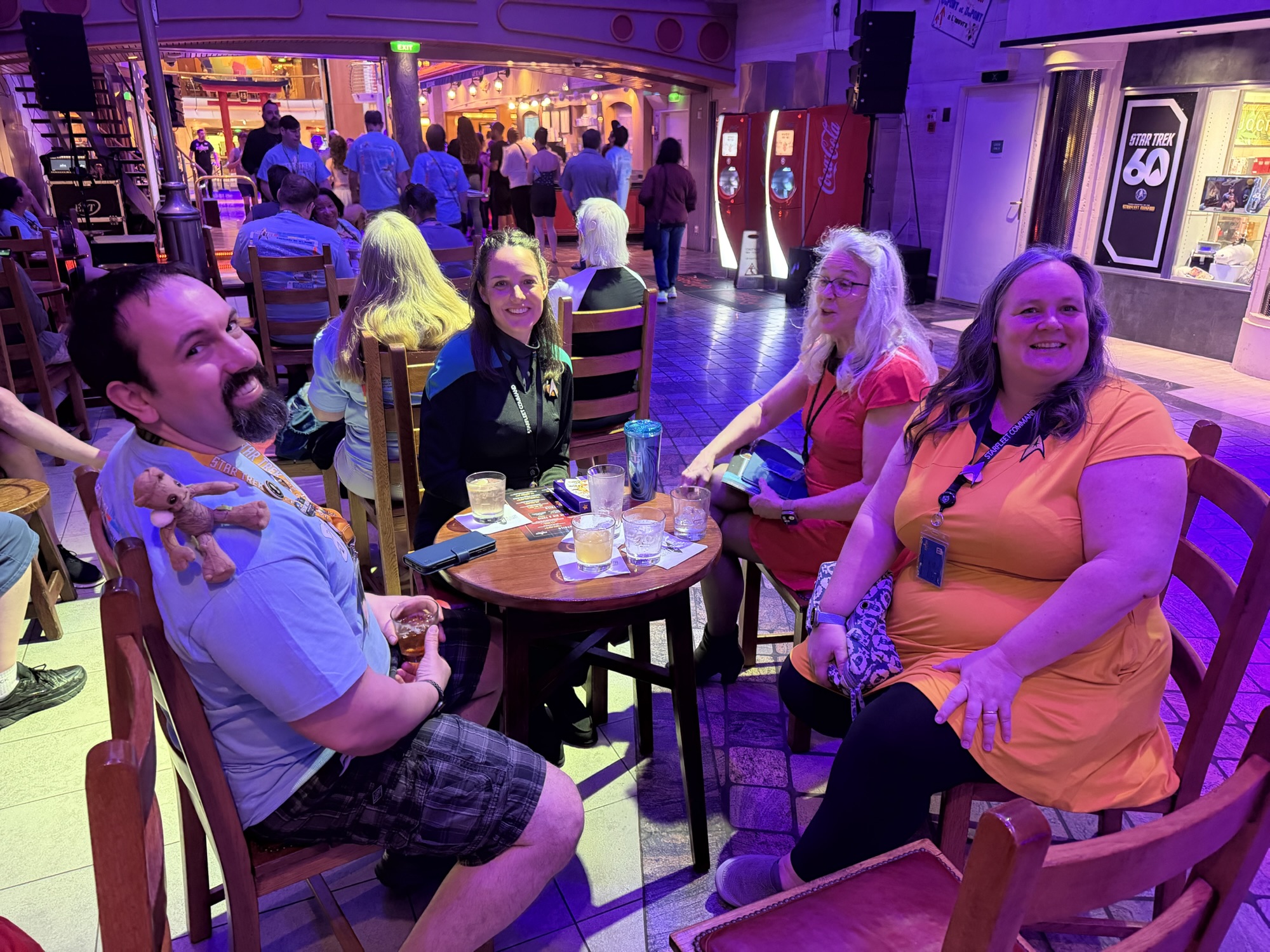
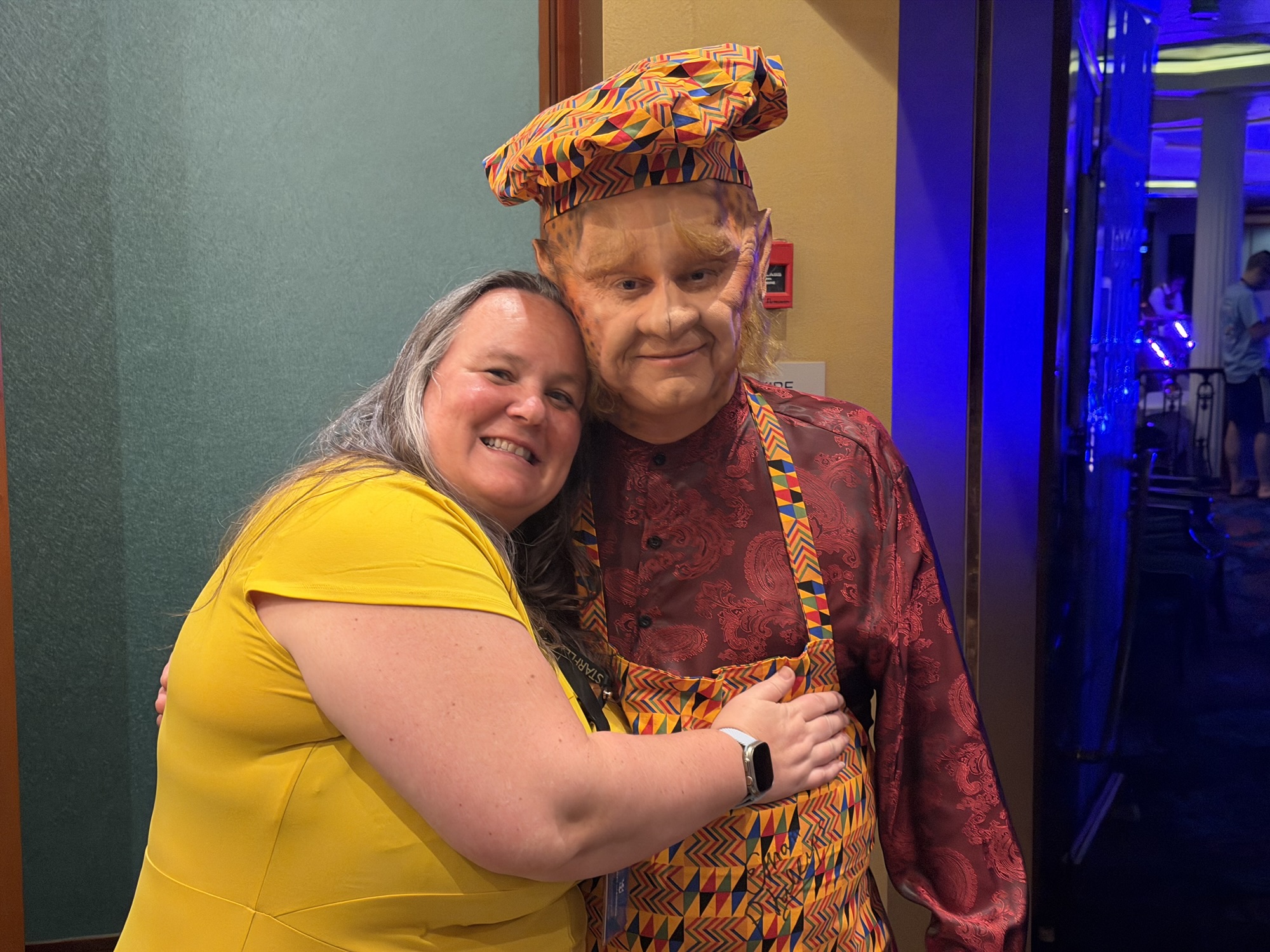
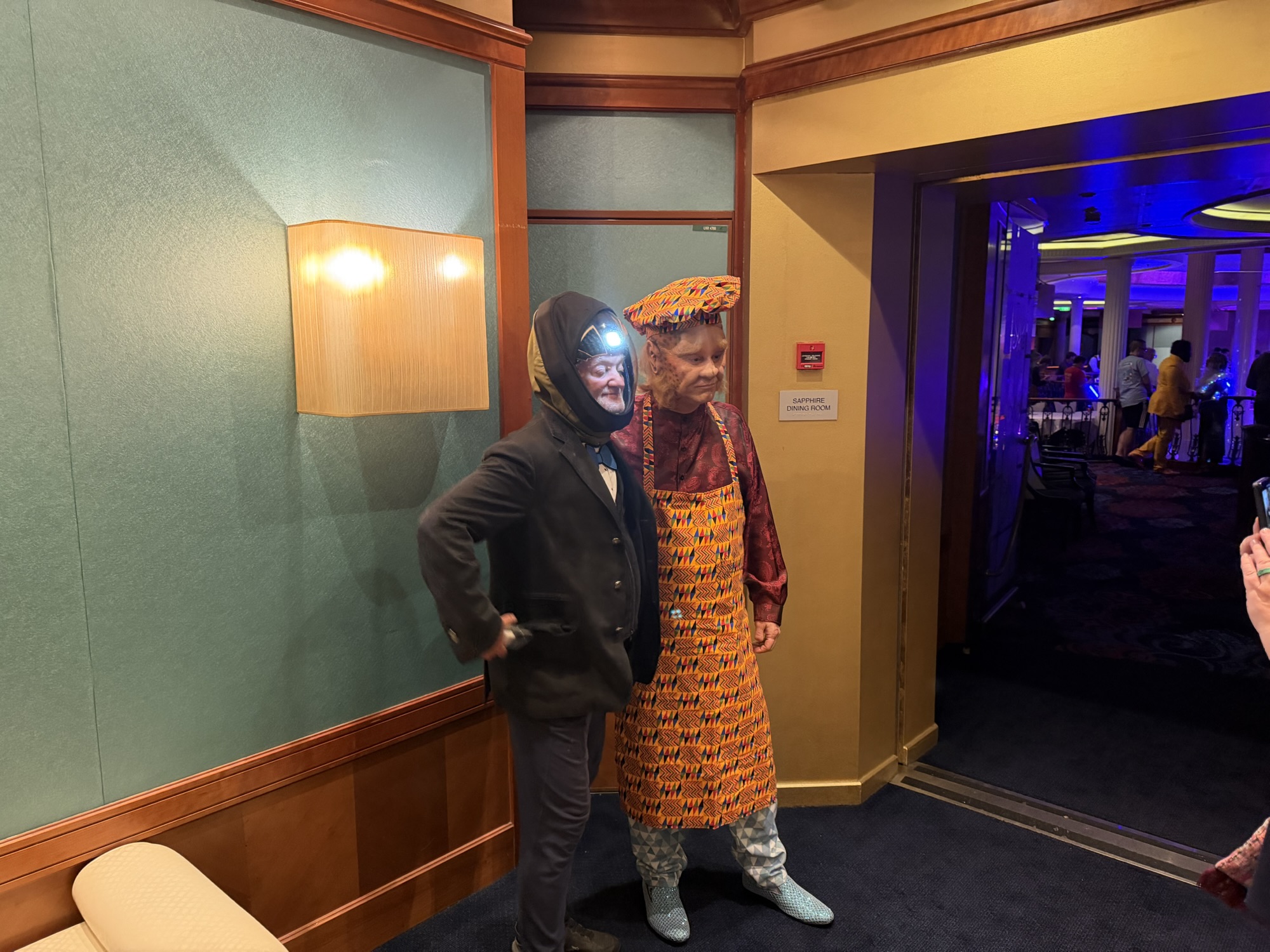
We started our day with pictures with Zoe Steiner who plays Tarima Sadal in Star Trek – Starlet Academy. This is one of the actors that Suzanna loves, so we all dressed up and had our picture taken.
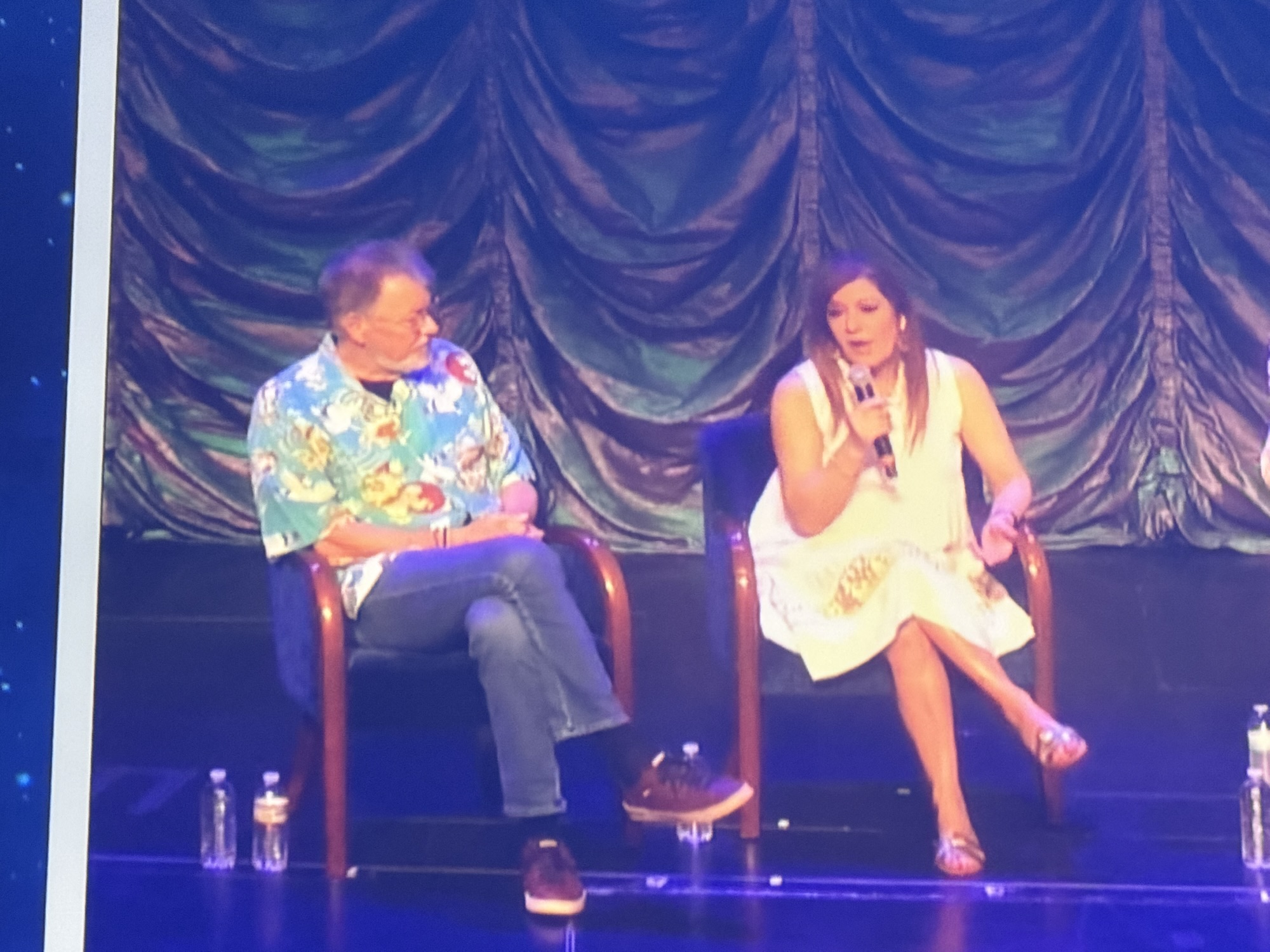
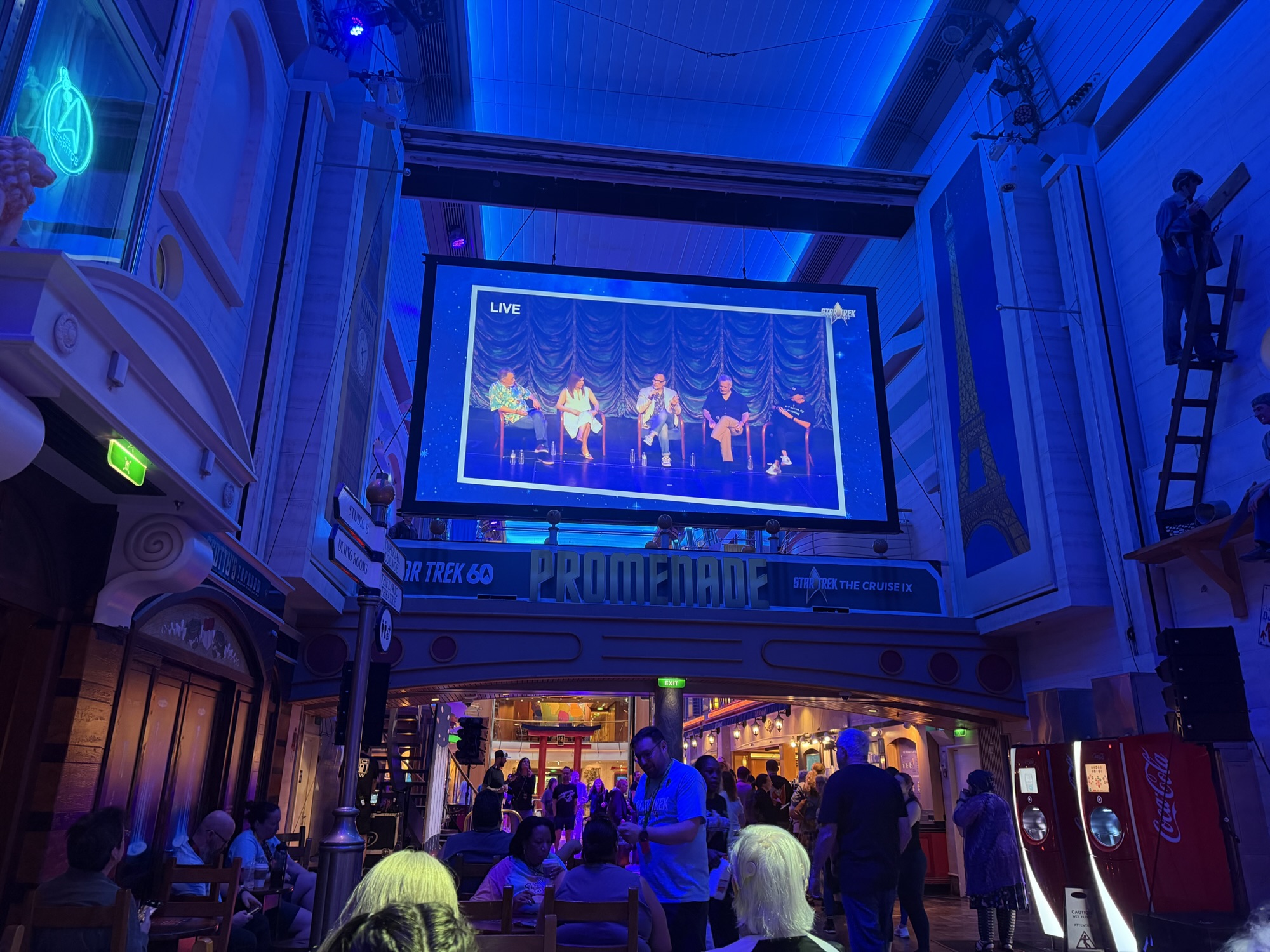
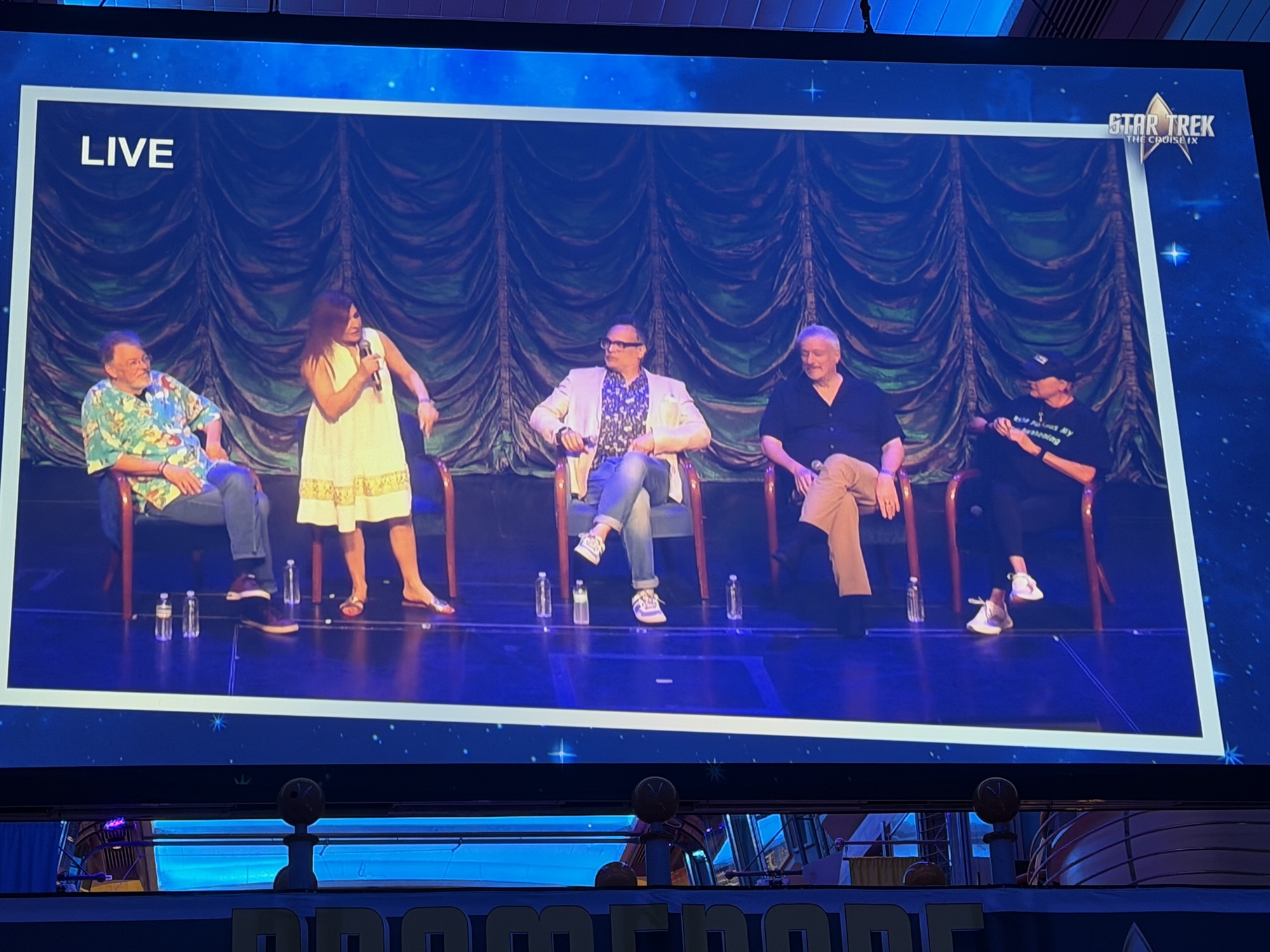
After our photo event, we sat at Scotty’s and watched the Star Trek: The Next Generation panel. There was a lot of discussion about what life on set was really like. It sounded intense — demanding work that required both stamina and passion. John de Lancie (Q) talked about how much he disliked the 12-hour days it took to make an episode — but said the final 30 minutes on screen made it worth it. Denise Crosby (Tasha Yar) shared how fans sometimes interpreted her acting in ways she never intended. In many ways, the fans helped shape the storytelling itself. The audience wasn’t just watching — they were participating in the legacy.
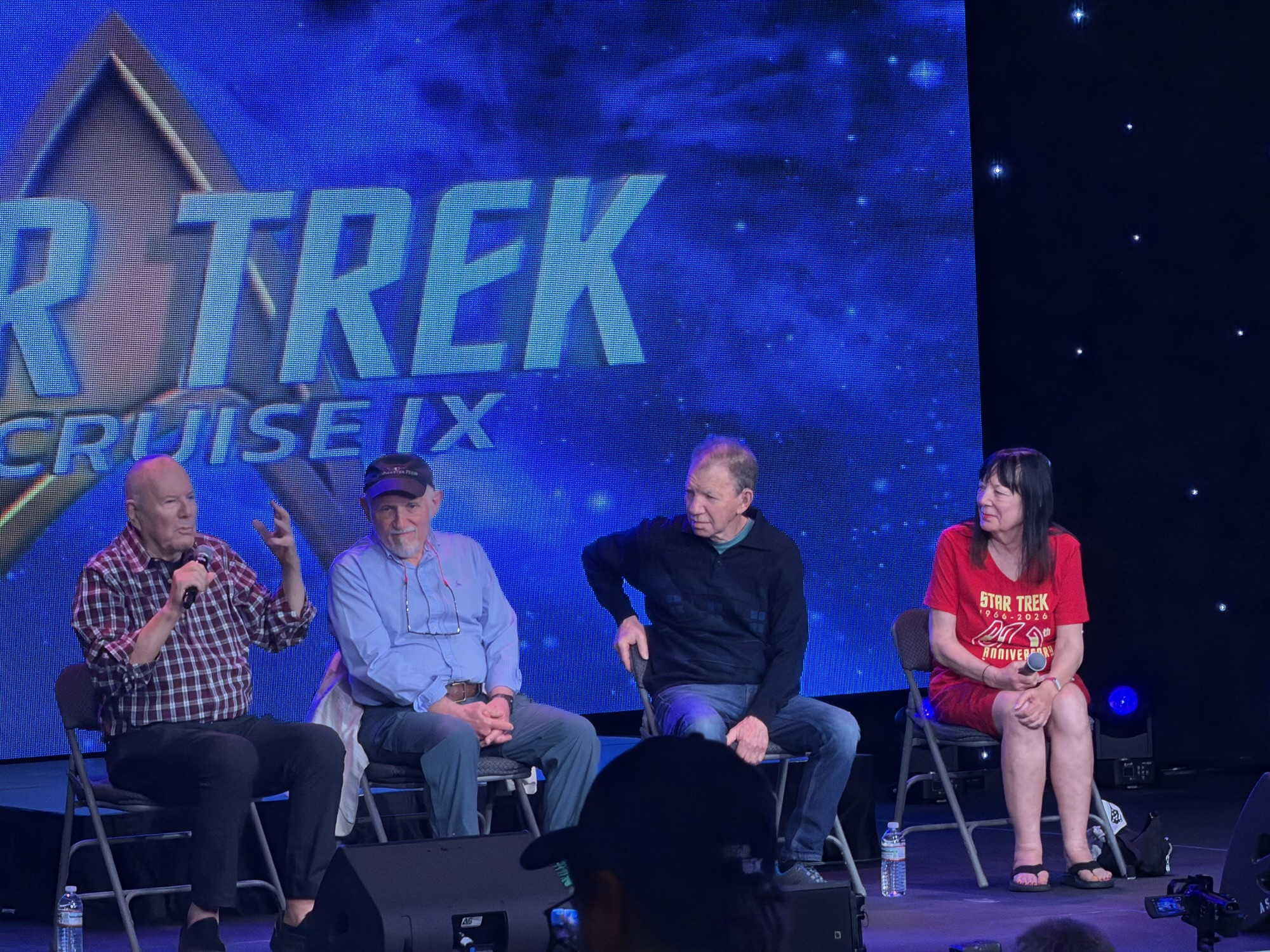
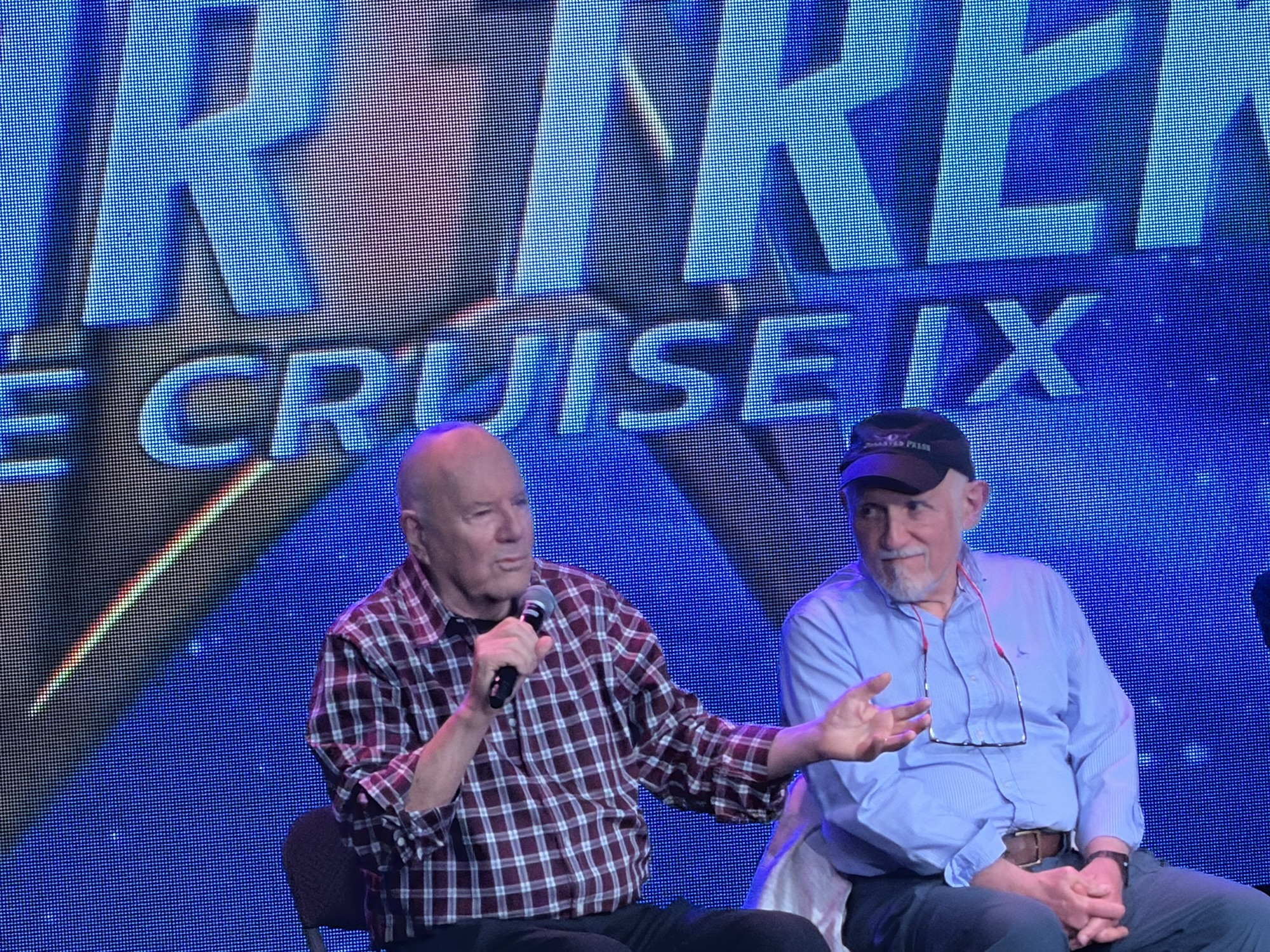
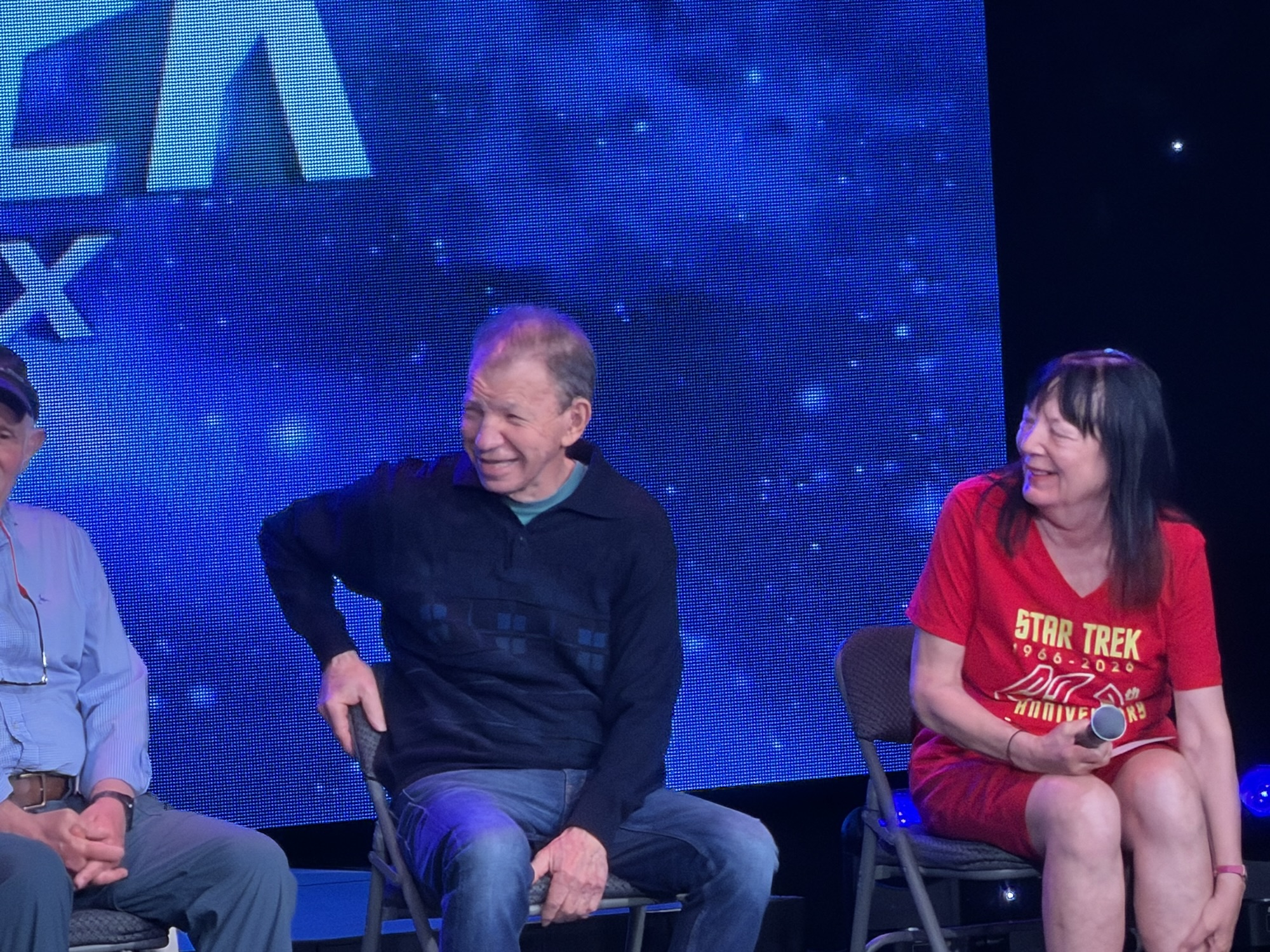
After that, we attended a panel about the origins of the Ferengi. Armin Shimerman (Quark) and Max Grodénchik (Rom) were the highlights of the discussion. It was fascinating to hear what it was like being an actor in the 1970s and 1980s. The writers paid close attention to relationships and used them to deepen the story. One example was the natural chemistry between Quark and Rom. When the writers noticed it, they leaned in and built it into the storyline. That kind of responsive storytelling is rare — and very adult. The actors talked about working 12–16 hour days, producing 26 episodes per season, and spending weekends preparing dialogue and character development on their own. Hearing that made me understand why modern streaming shows now produce 8 episodes per season instead of 26. The old schedule was incredibly demanding. It was tough on actors and likely helped push unions to improve working conditions.
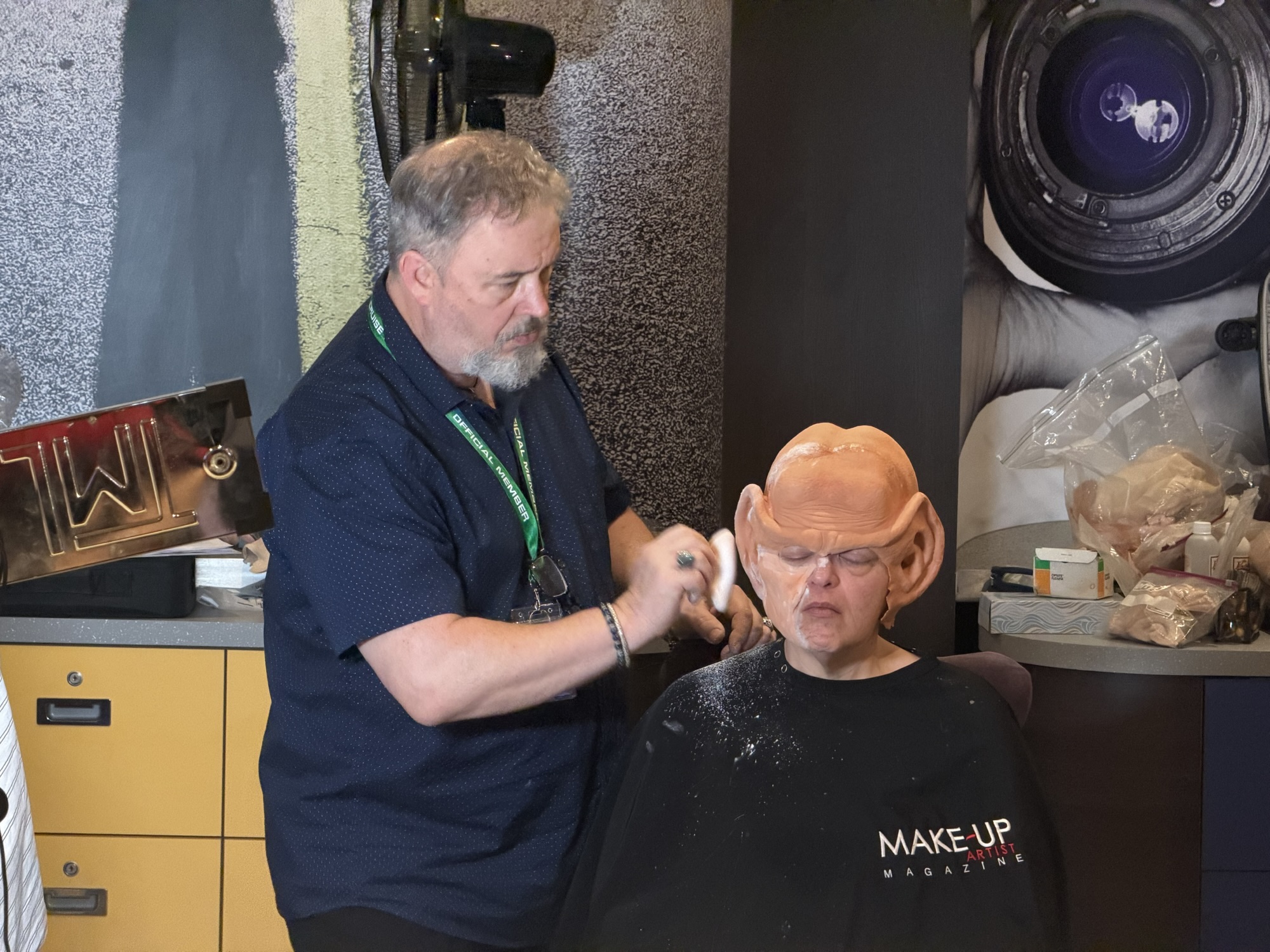
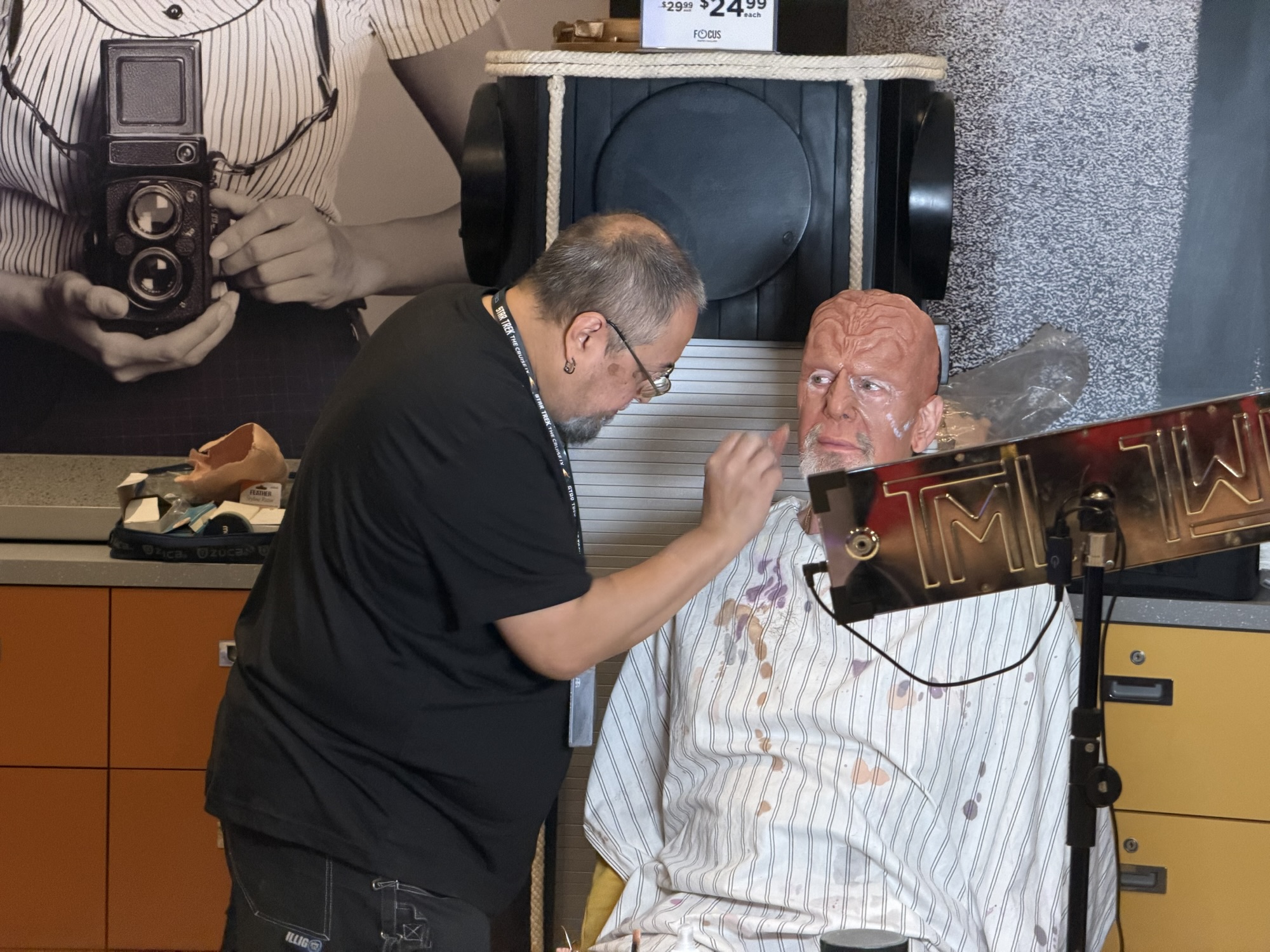
We then saw more fans getting their makeup done — layers of prosthetics, careful detail, total transformation. It’s amazing how much artistry goes into becoming a different species.
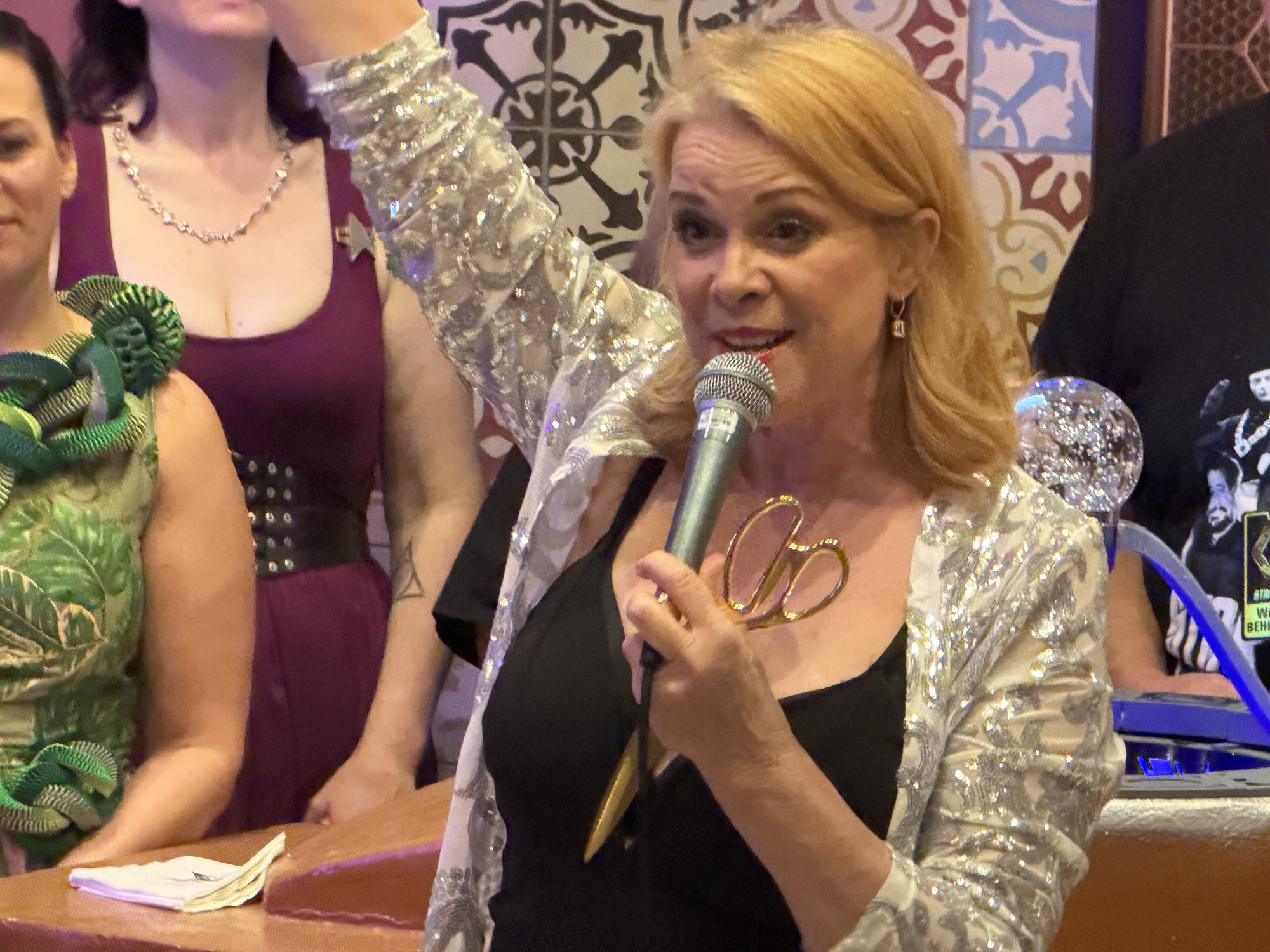
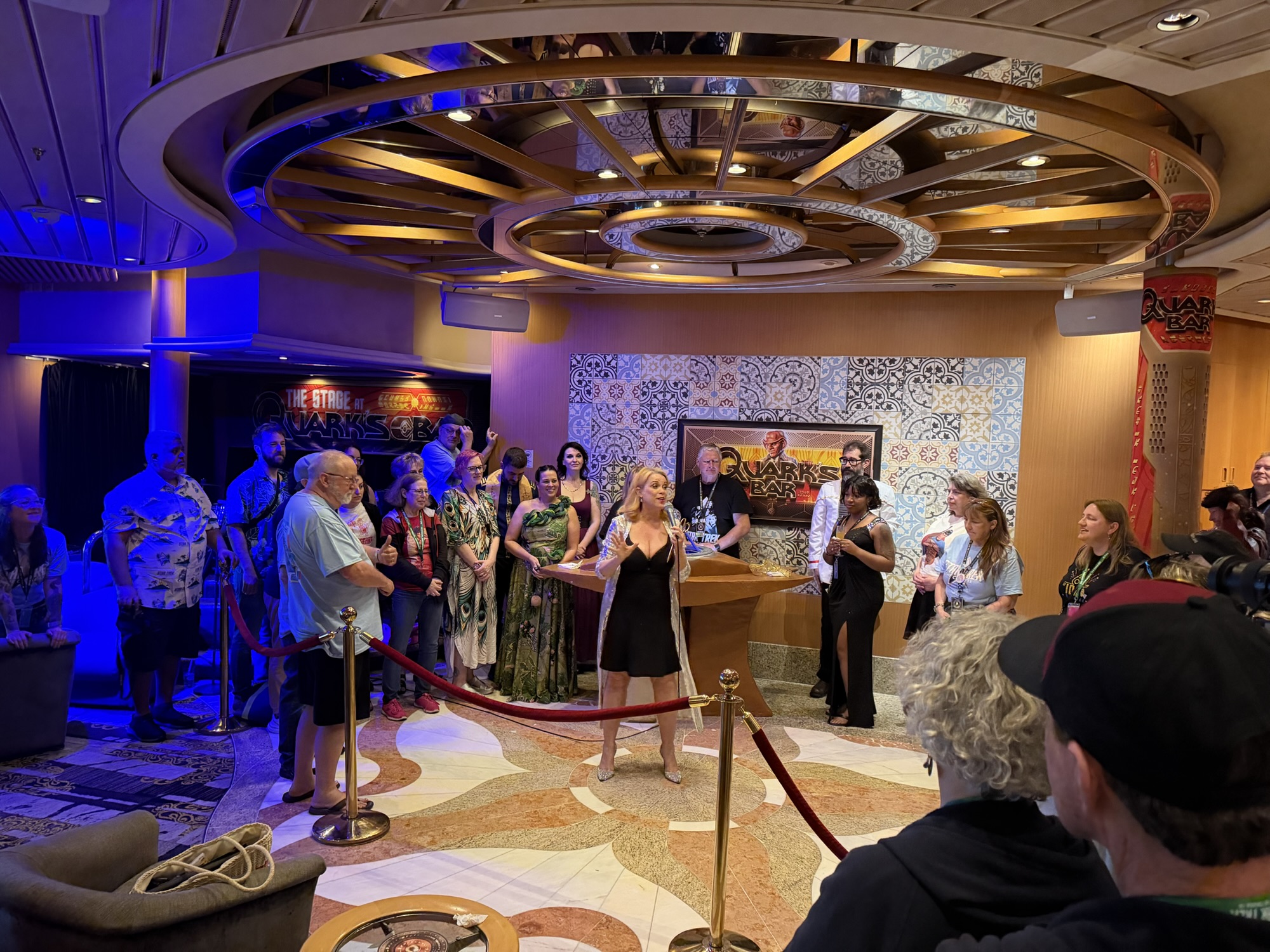
Later, we headed over to Quark’s to play Dabo with Chase Masterson (Leeta). It wouldn’t be a Star Trek cruise without a little time at the Dabo table.
Opera at Starfleet Academy
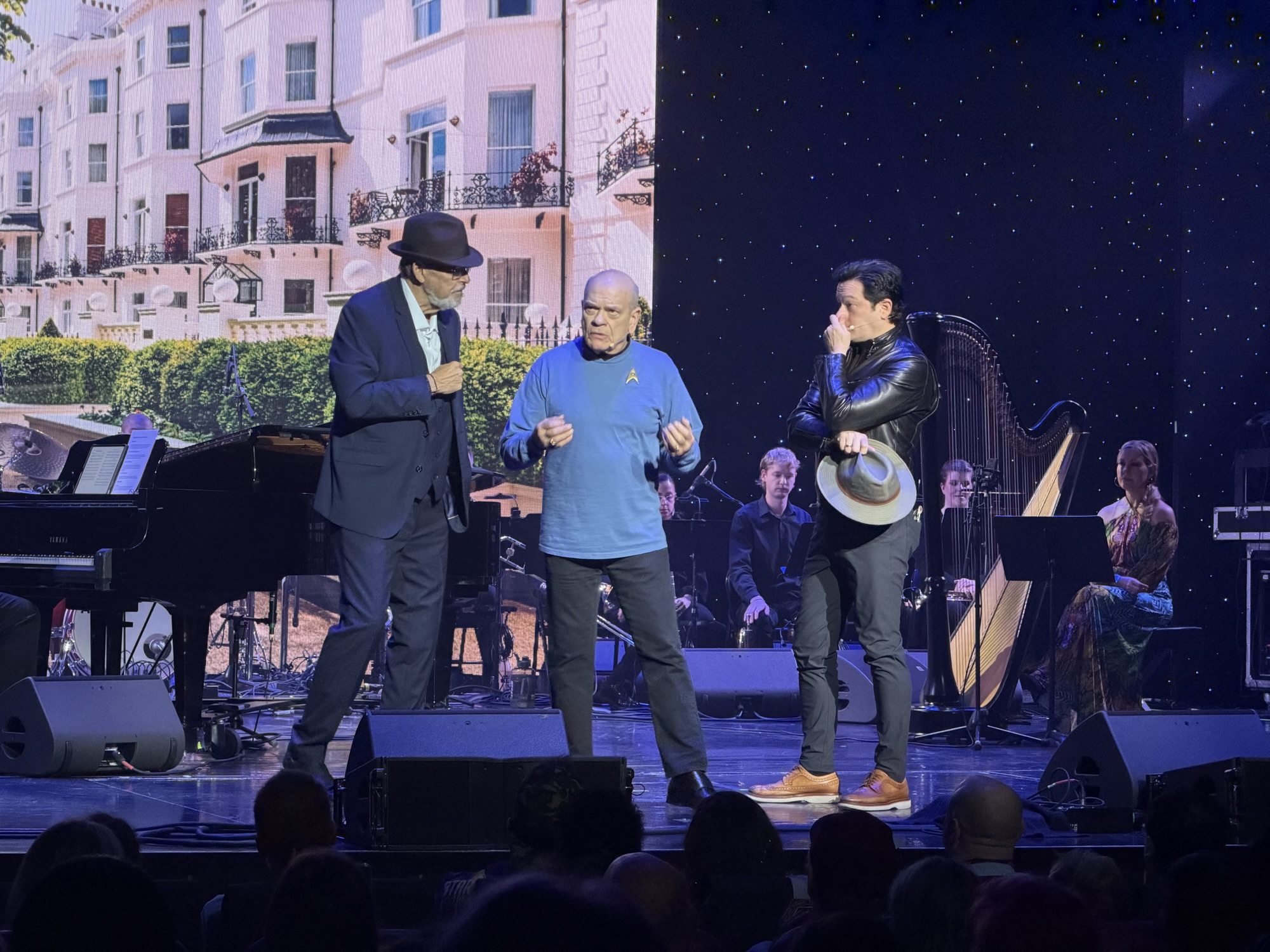
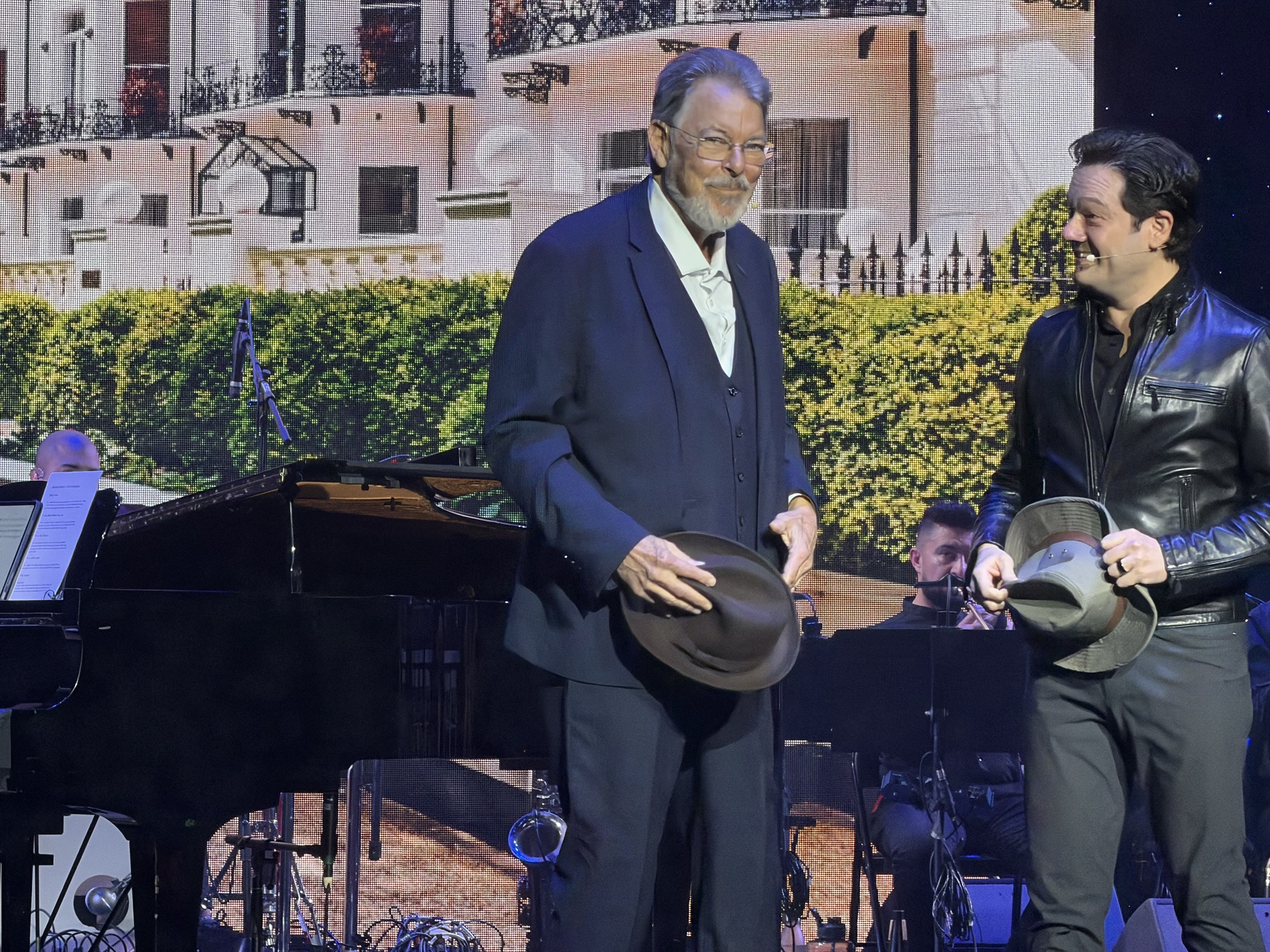
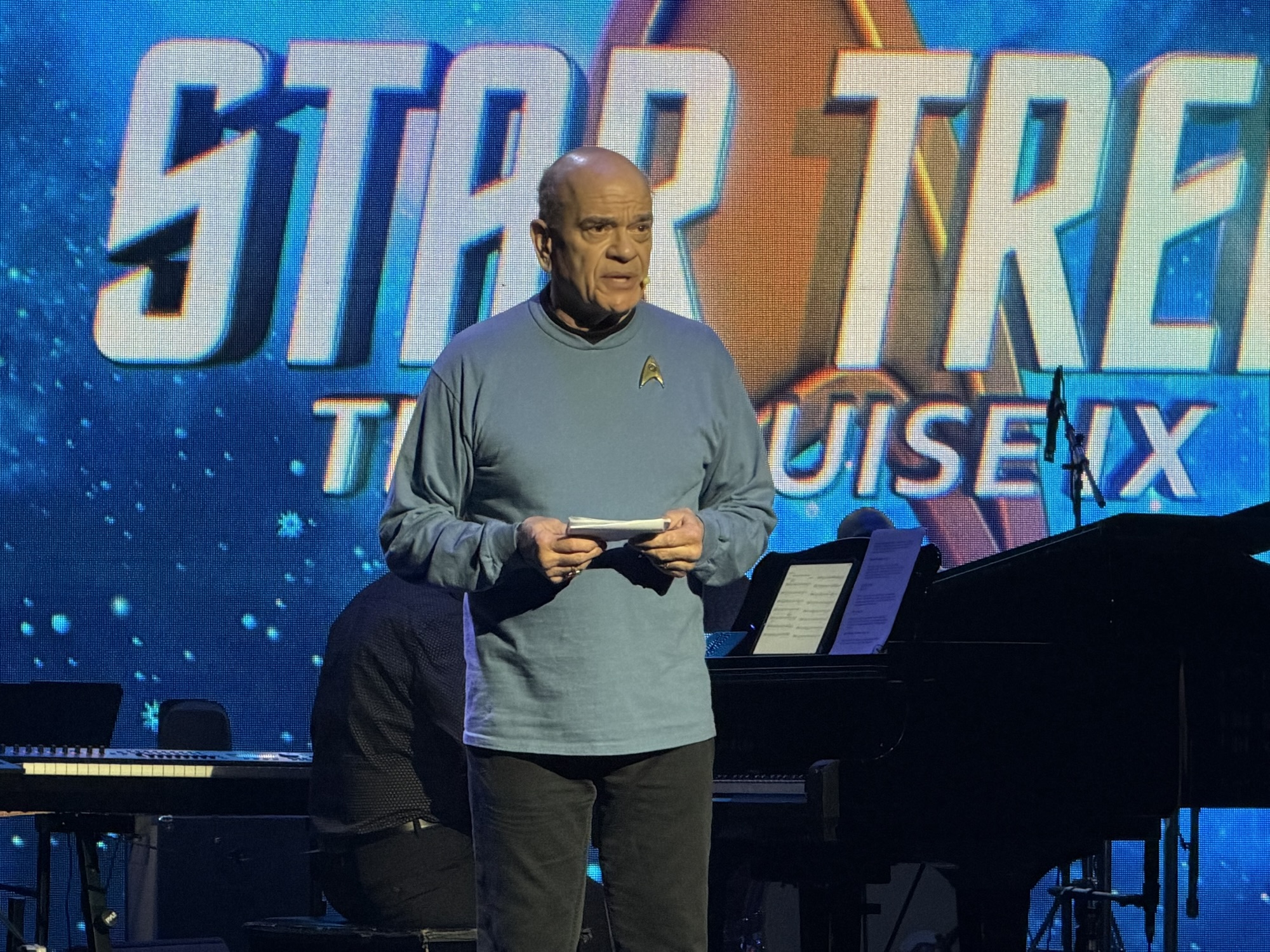
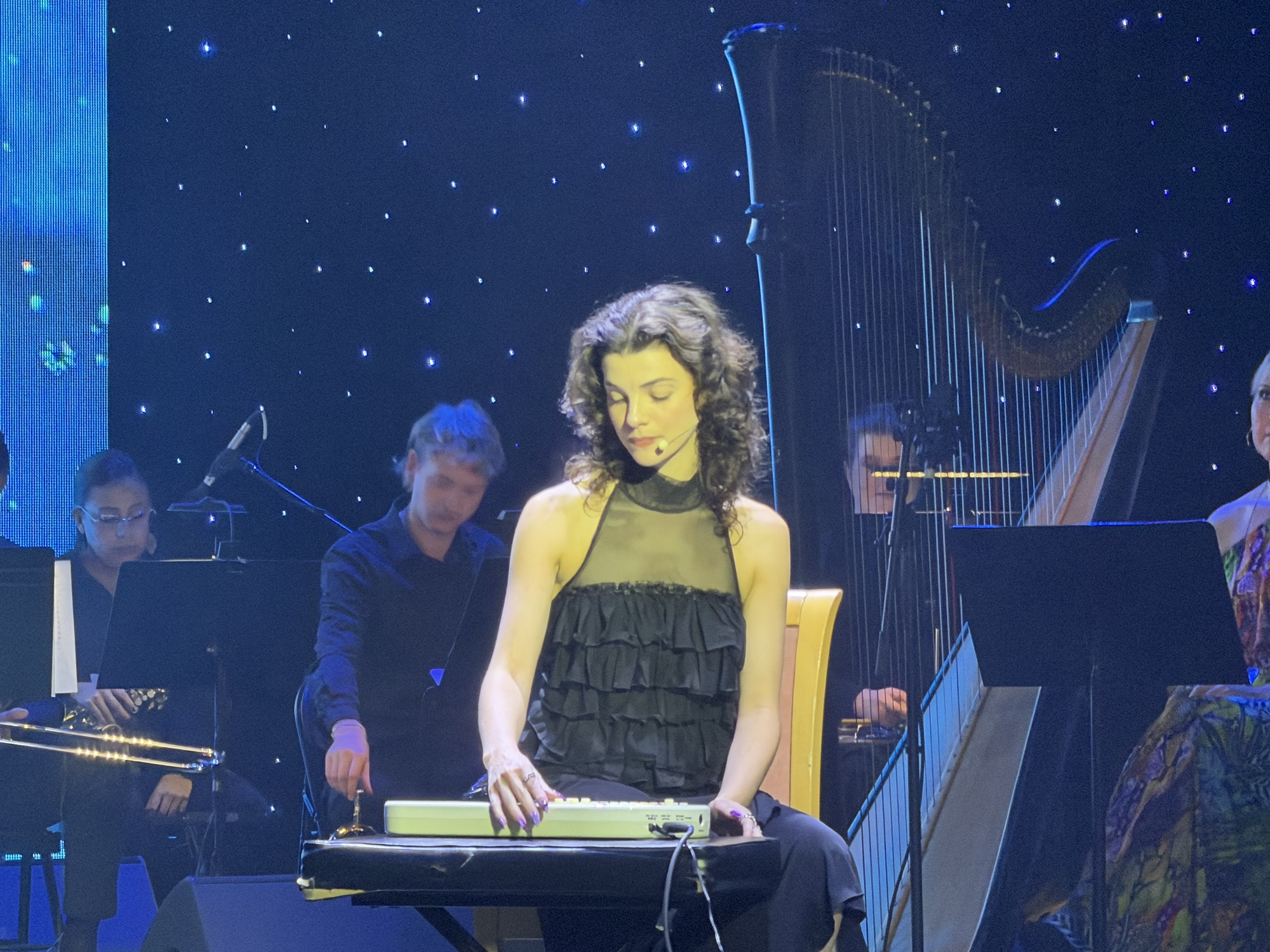
Tonight’s show focused on teaching Starfleet Academy cadets about conflict resolution — using opera. Who would have thought Star Trek actors were such talented singers? The show was hosted by Robert Picardo (The Doctor from Star Trek: Voyager). We also saw: Jonathan Frakes (Commander William Riker), Marina Sirtis (Counselor Deanna Troi), Nana Visitor (Major Kira Nerys), Zoe Steiner (Tarima Sadal)…and many more. The show blended humor, music, and meaningful themes about disagreement, leadership, emotion, and reconciliation. It wasn’t simplistic. It wasn’t shallow. It trusted the audience to think. That’s the point.
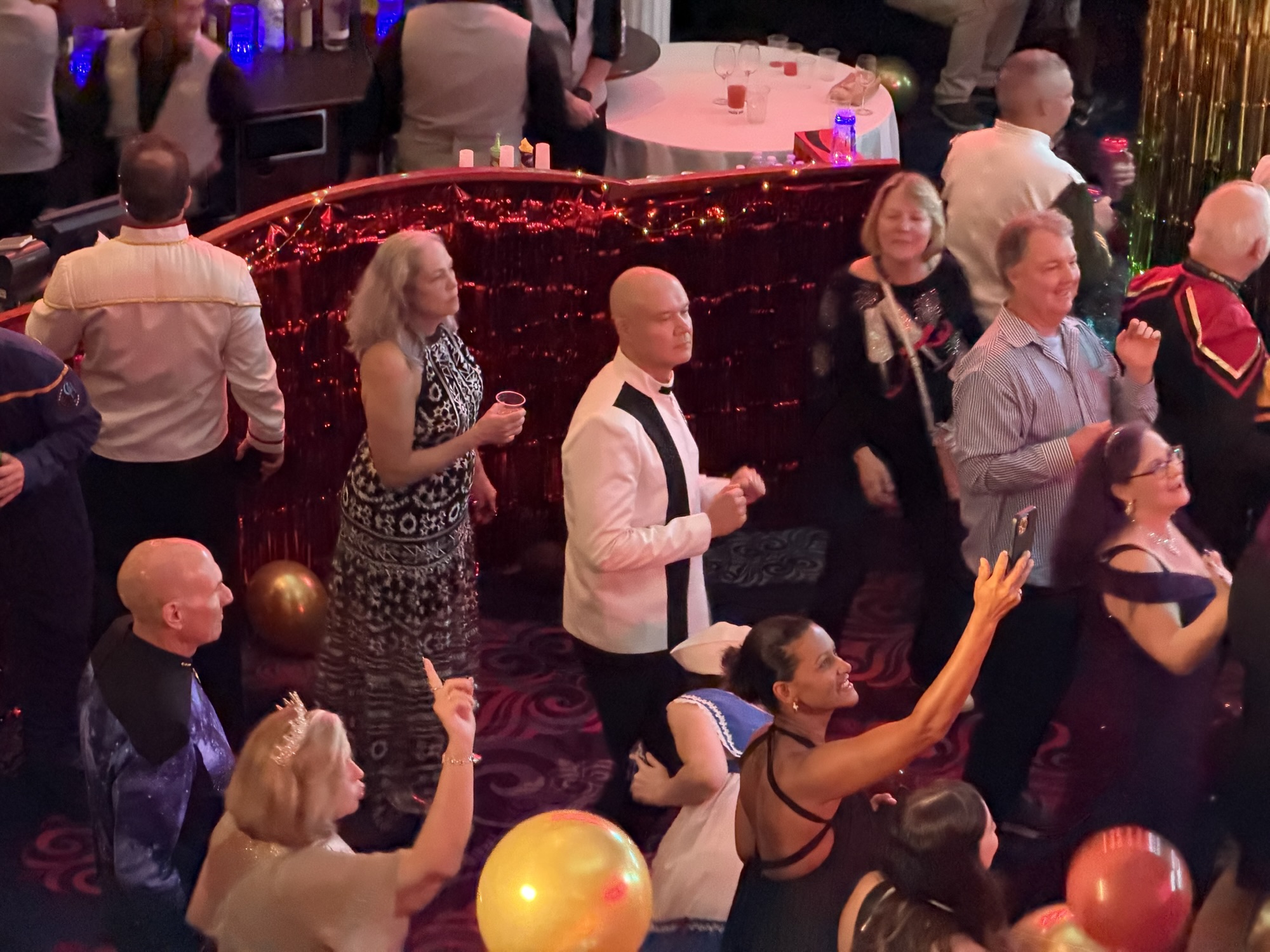
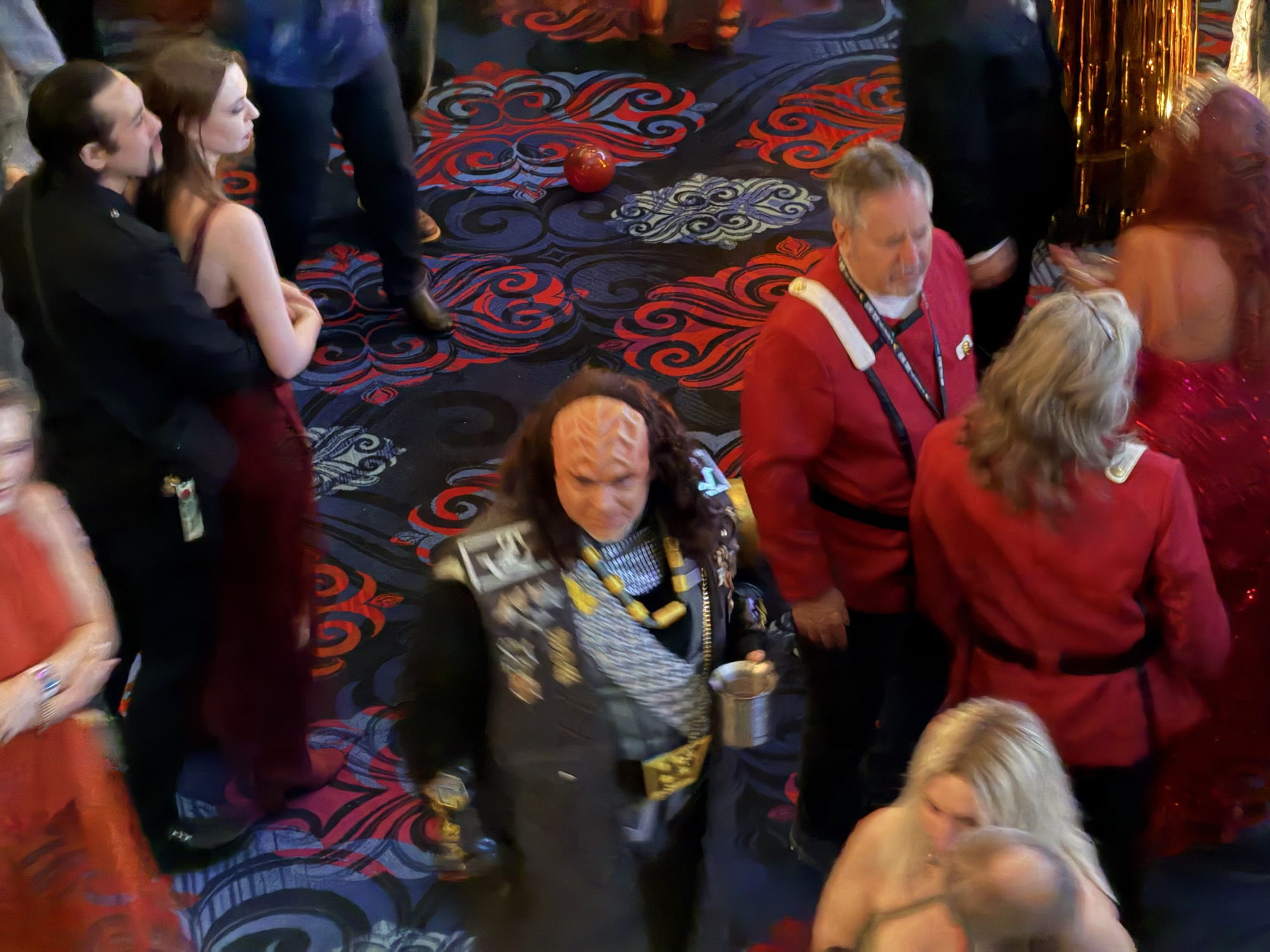
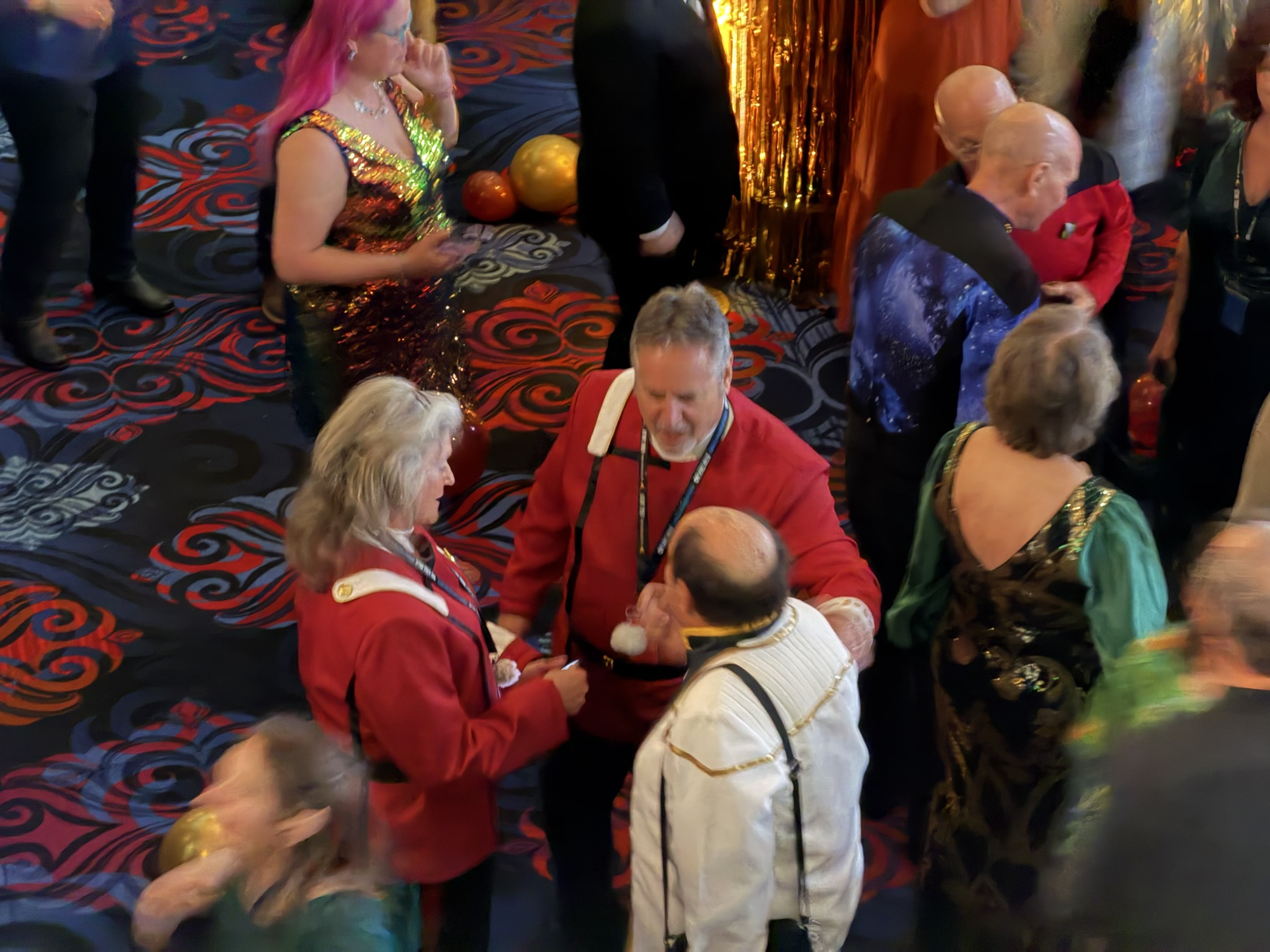
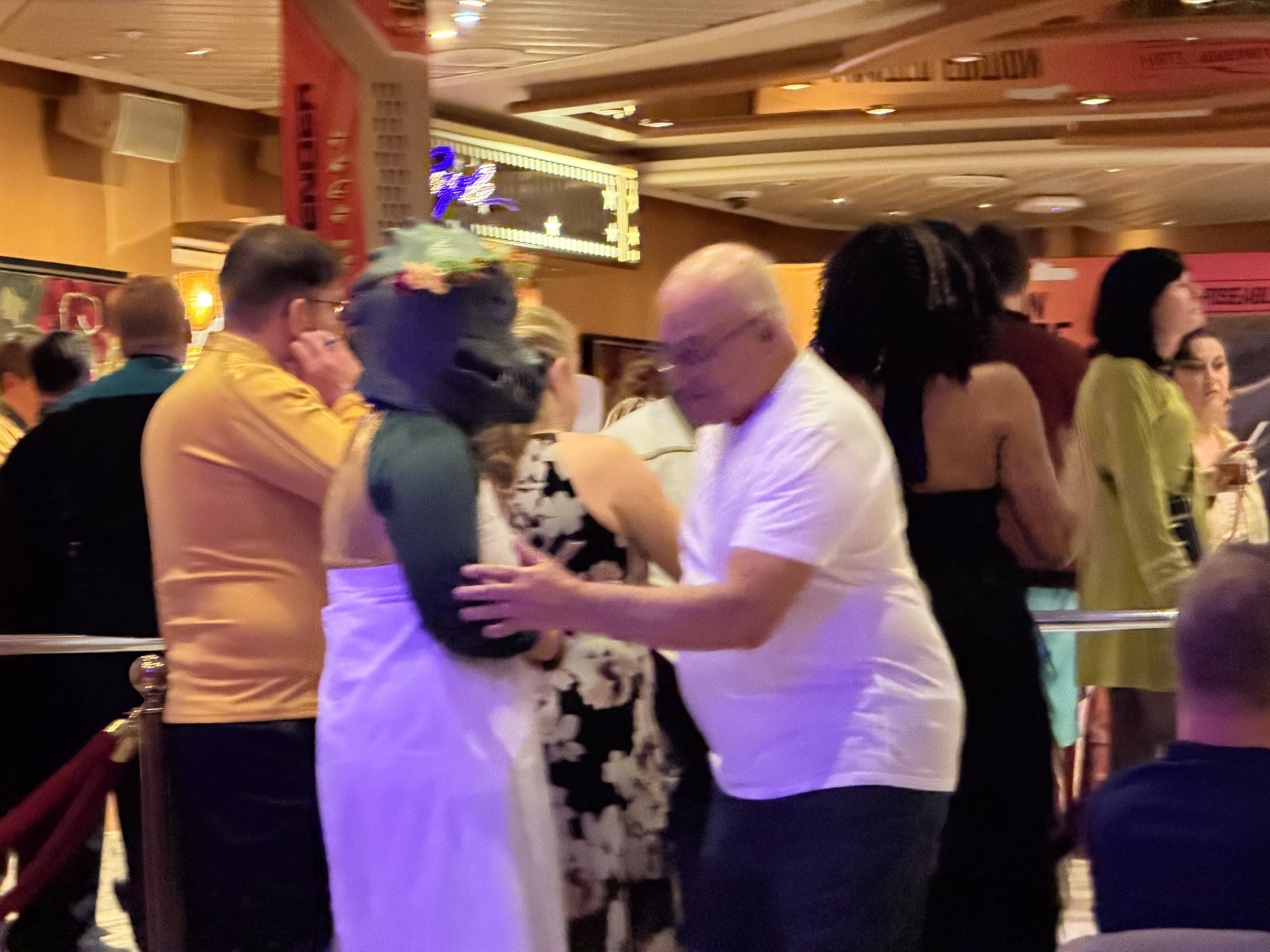
The Captain’s Gala was tonight and Everyone came out to dance !
Star Trek doesn’t talk down to its viewers. It wrestles with moral questions. It explores relationships. It allows characters to disagree passionately — and still work toward understanding. That’s adult storytelling.
And that’s why it feels “cult-like.” Not because it demands devotion — but because it earns it.

 papa carney