My blog theme for Barcelona: “Why Barcelona Feels So Alive”
Today’s focus: A City That Reinvented Itself
The 1992 Olympics transformed Barcelona.
Montjuïc and the waterfront were completely redesigned.
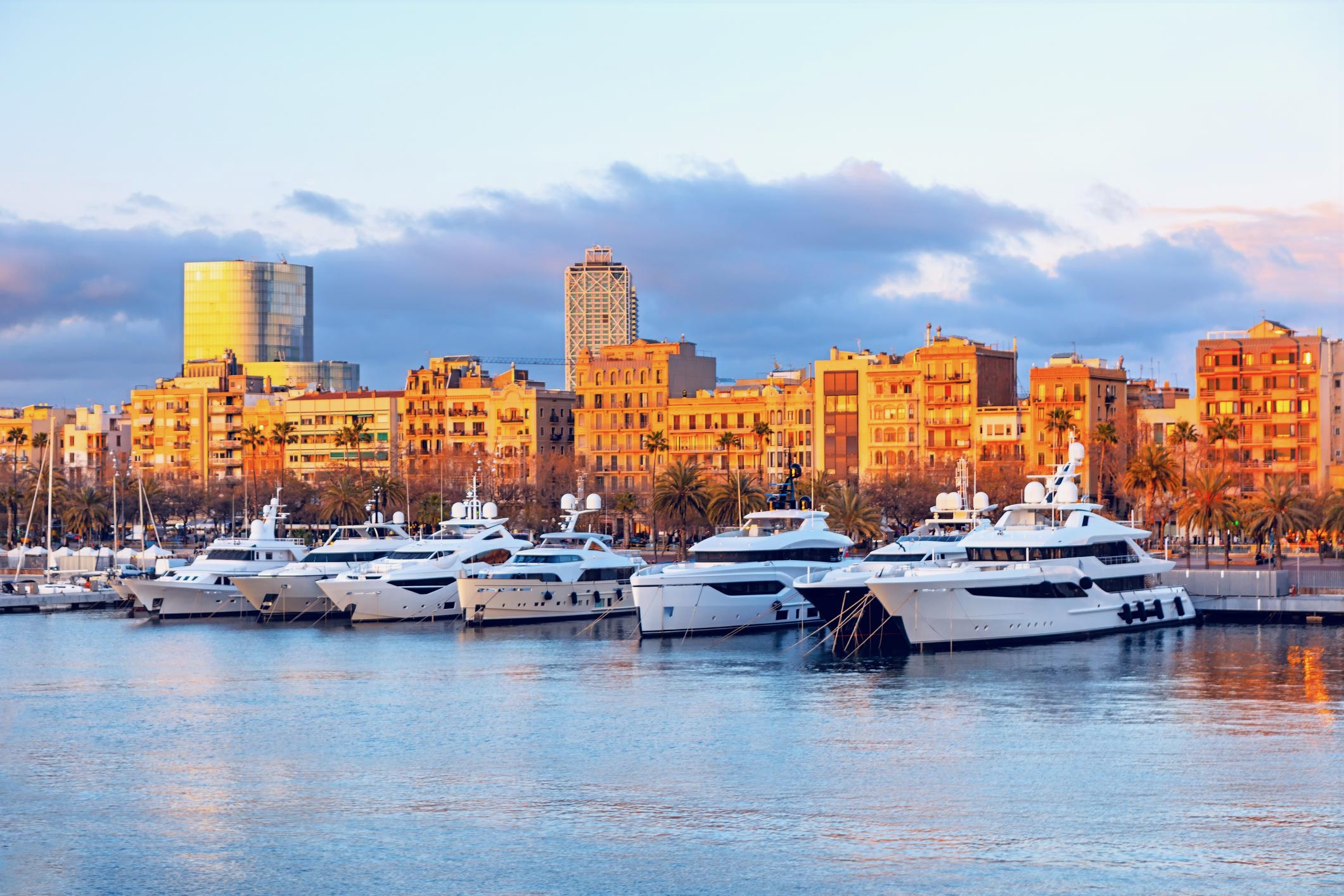
The marina, boardwalk, and super-yachts show a modern, global city.
A city designed to be lived in outdoors.
Today we gained insight into current-day Barcelona. We began the morning with a short lecture from a local professor who shared a candid perspective on the city’s current opportunities and challenges.
Barcelona today is wrestling with several issues that come with being such a popular global destination. There are ongoing political tensions surrounding independence from Spain, concerns about the impact of cruise ships in the harbor, and debates about short-term rentals like Airbnb that have contributed to housing shortages in the city center. At the same time, tourism remains one of the most important economic drivers for the city. Hearing these topics explained by a local gave helpful context for understanding how Barcelona balances its popularity with maintaining a livable city for residents.
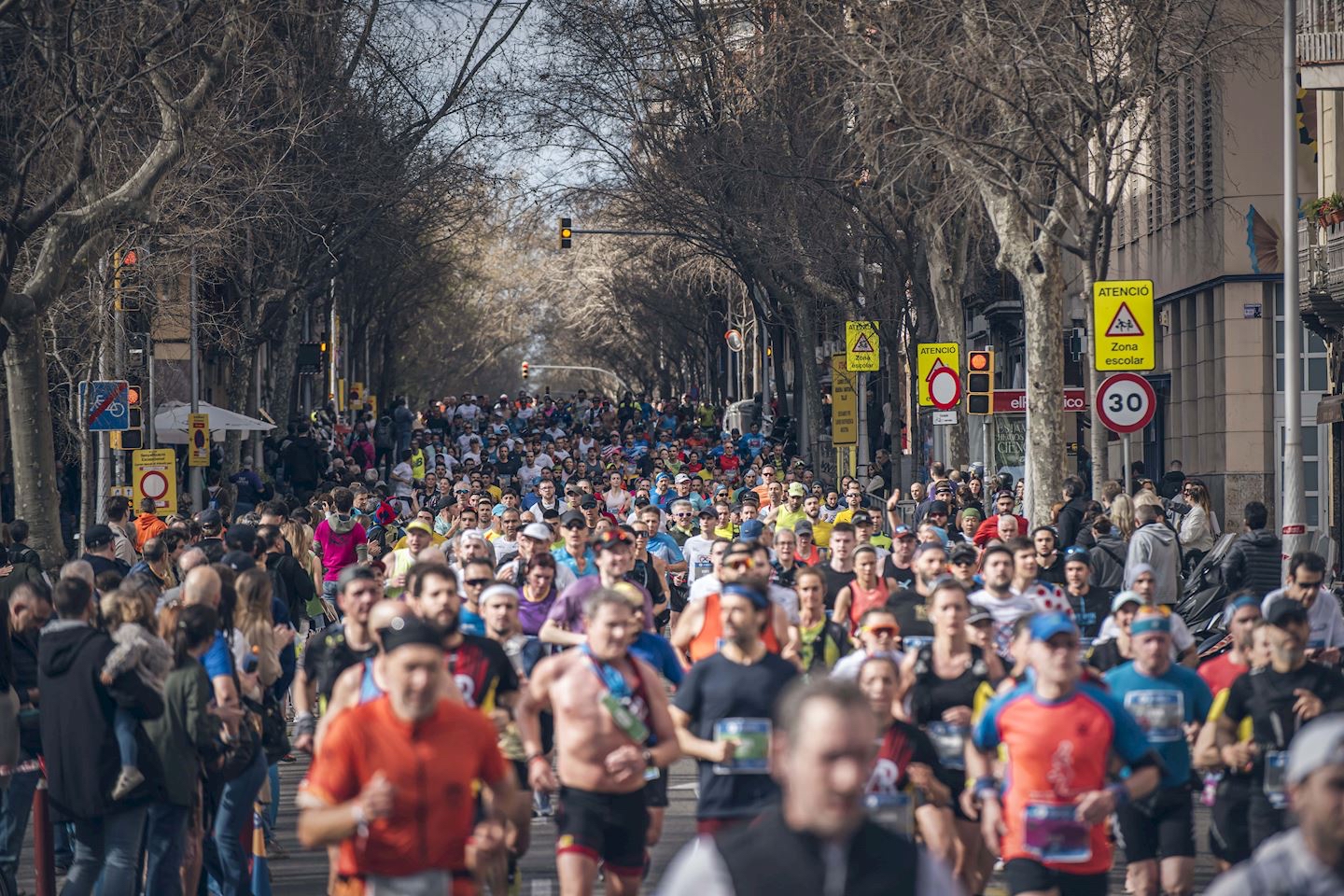
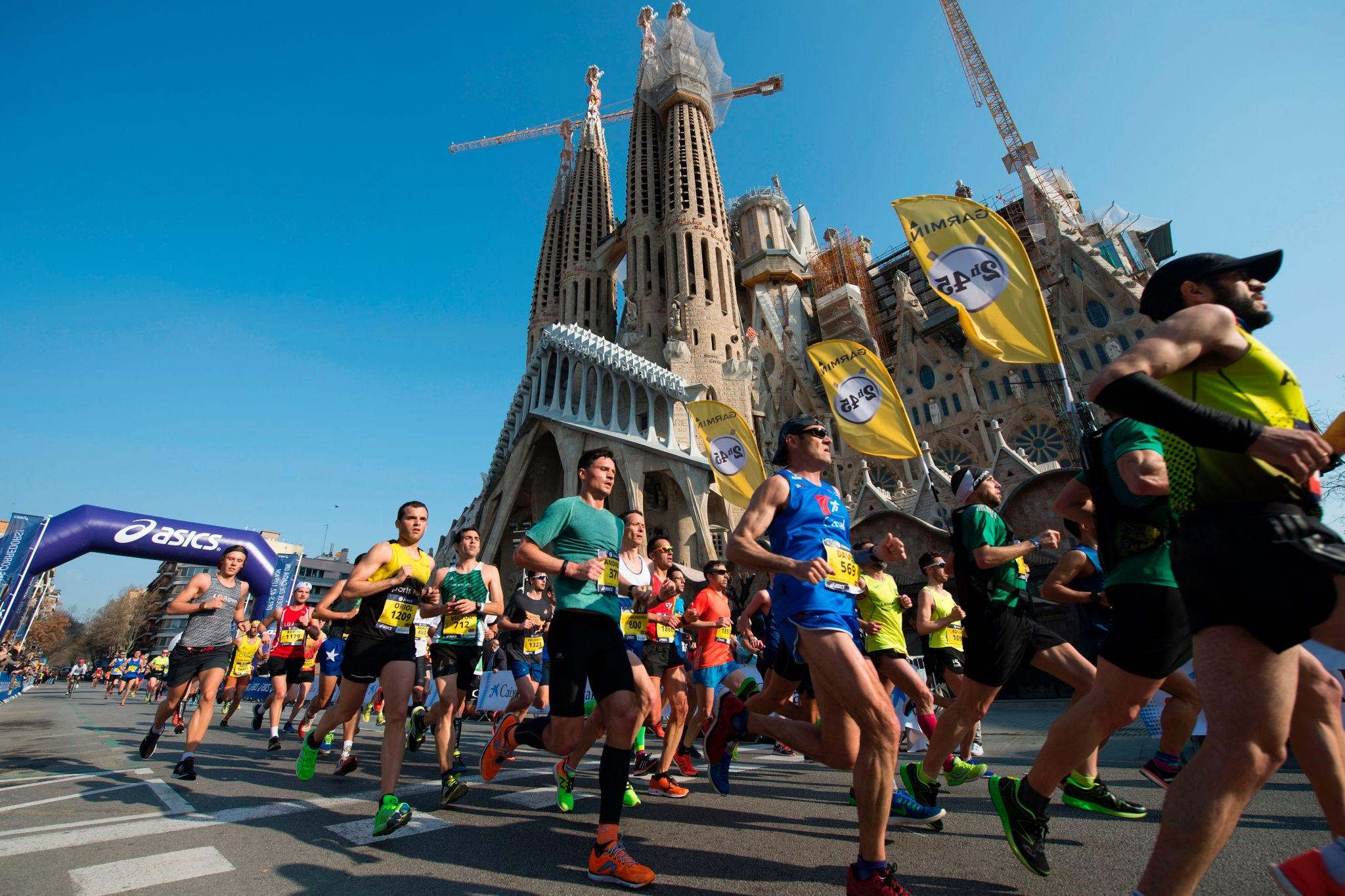
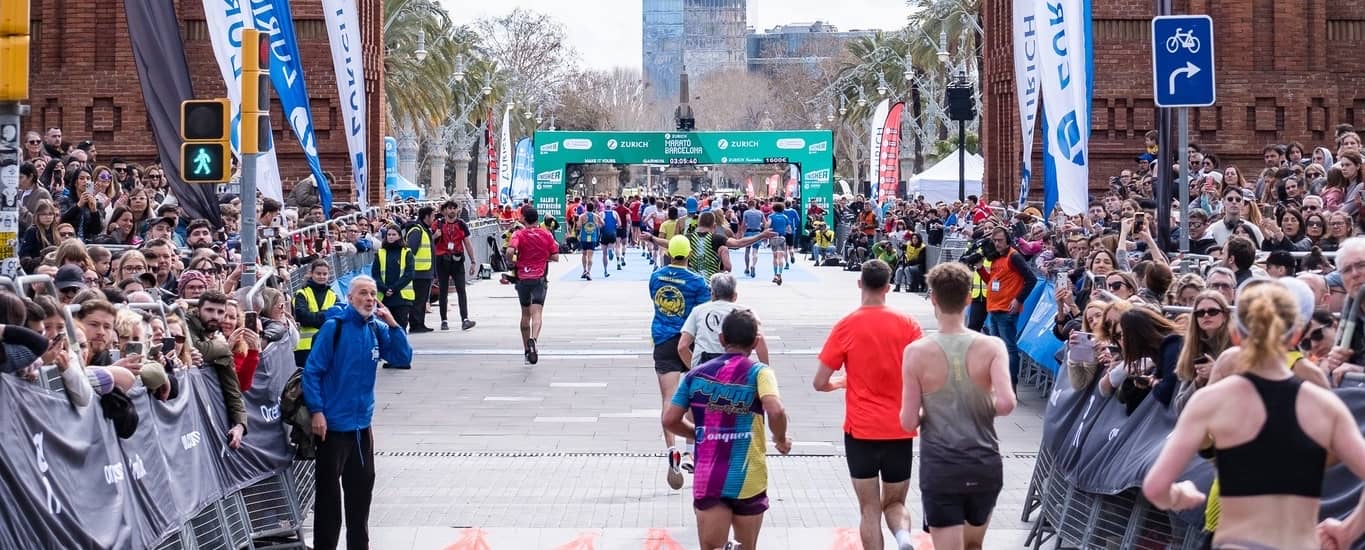
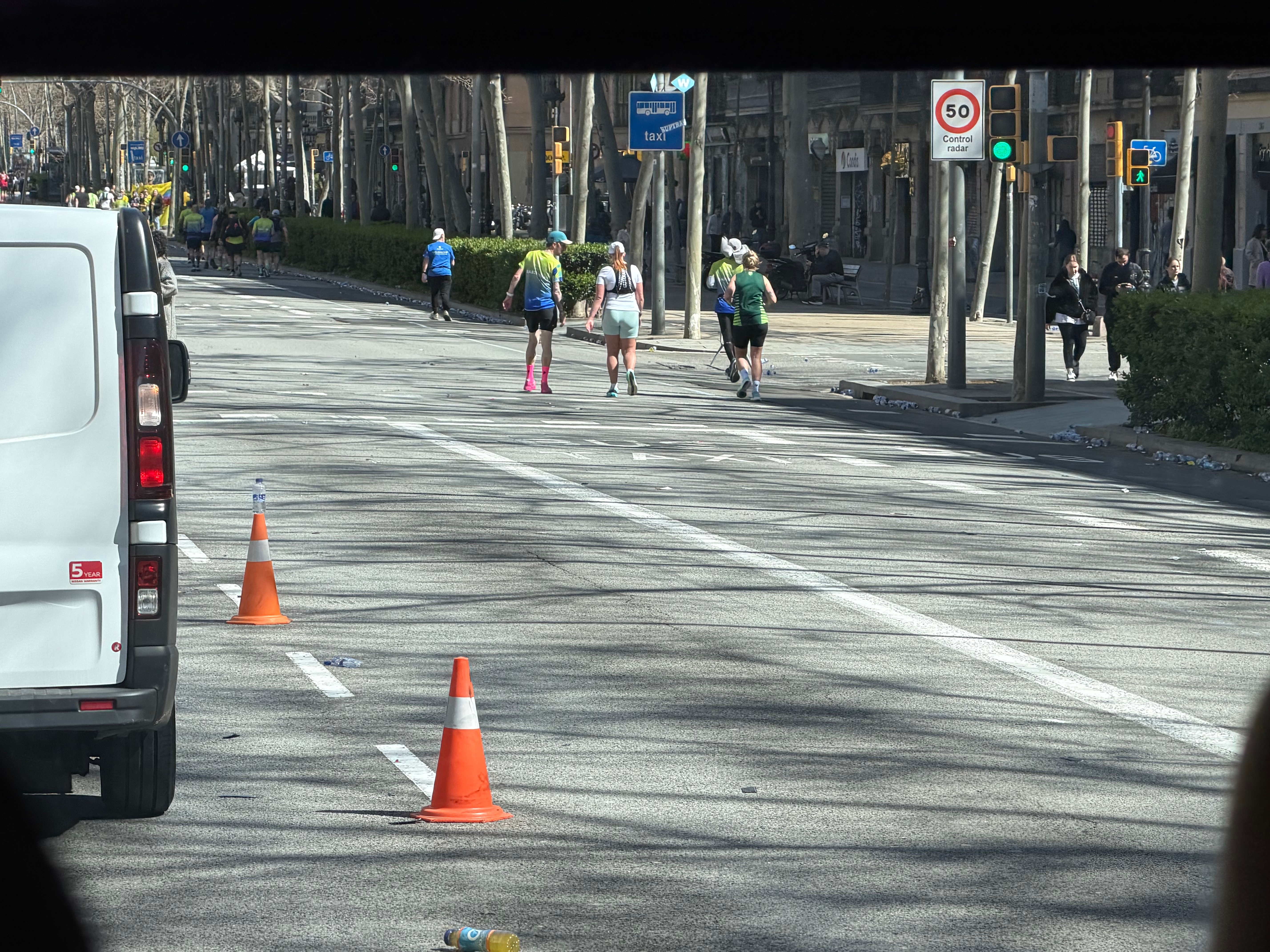
One thing that made the city feel especially alive today was the Barcelona Marathon, which ran right through the center of the city. More than 30,000 runners from around the world filled the streets early in the morning, turning Barcelona into a huge outdoor celebration of sport and community.
Many of the main roads were closed, which delayed the start of our tour a bit, but it was worth it just to witness the energy. Spectators lined the streets cheering, music played along the route, and runners passed many of Barcelona’s most famous landmarks. It felt like the entire city had stepped outside to participate. Because of the race, our tour shifted from the morning to the afternoon.
⸻
Once our tour finally got underway, we boarded a bus and drove up Montjuïc Hill, the same hill used for the opening ceremonies of the 1992 Summer Olympics.
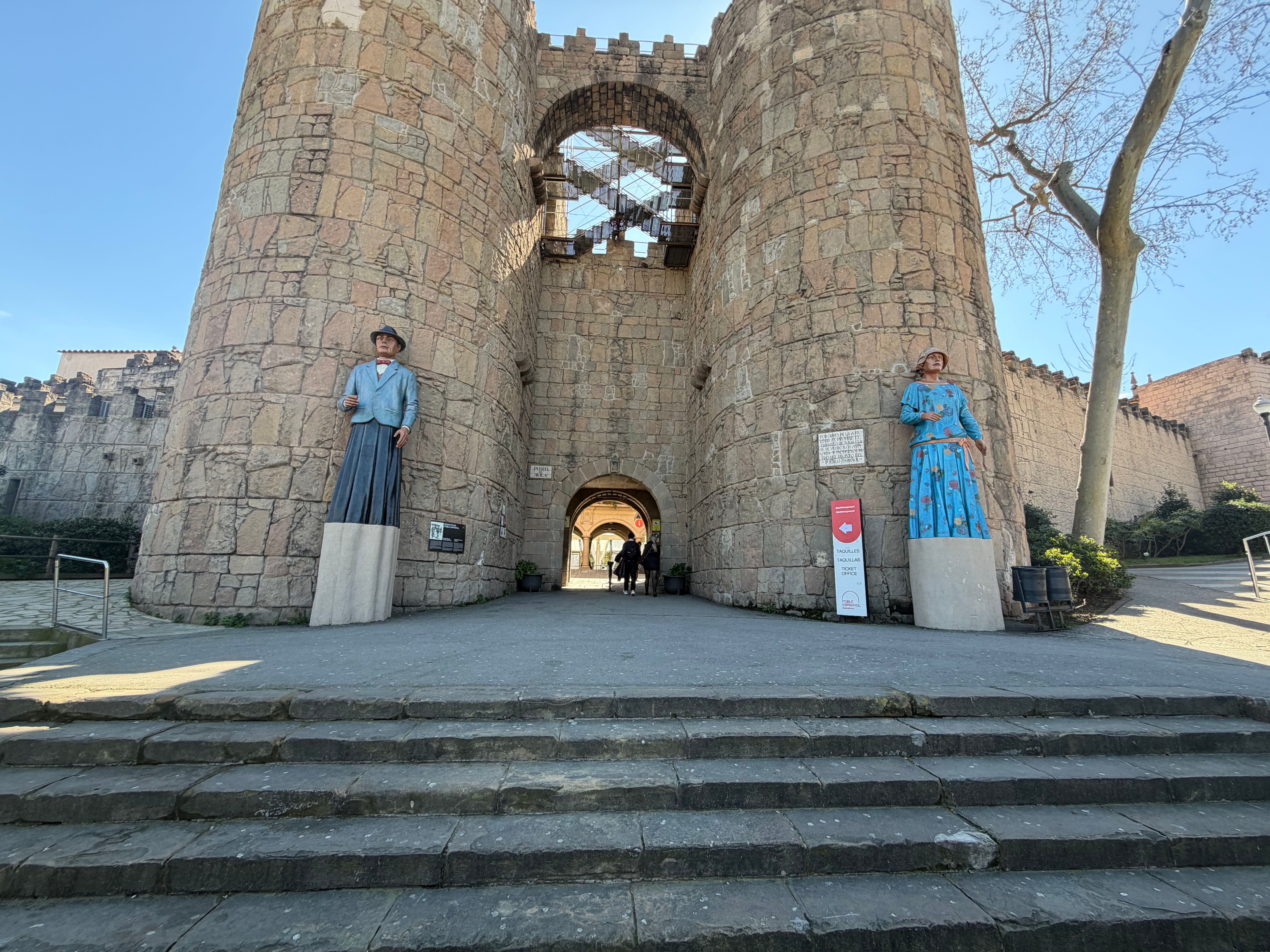
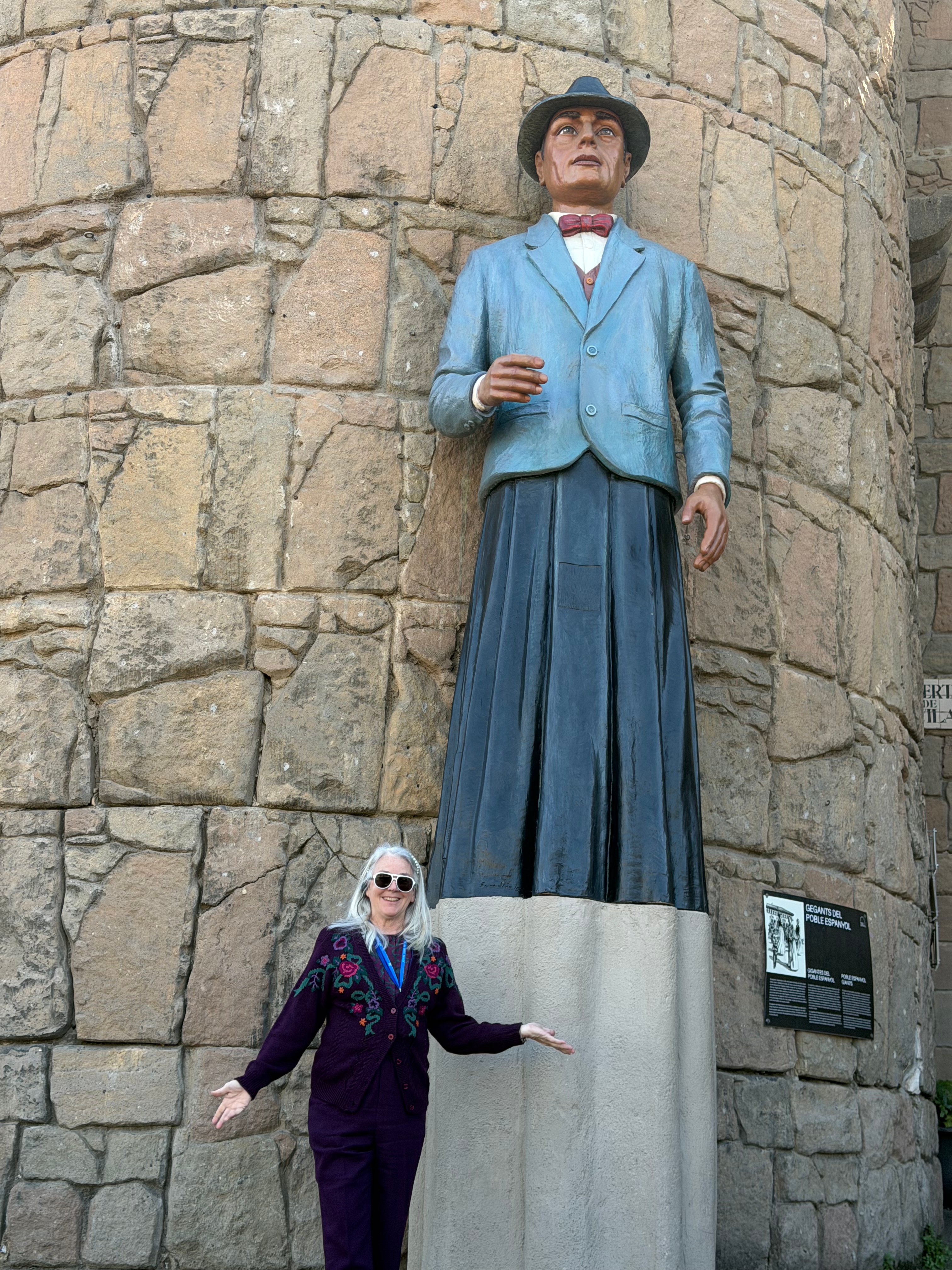
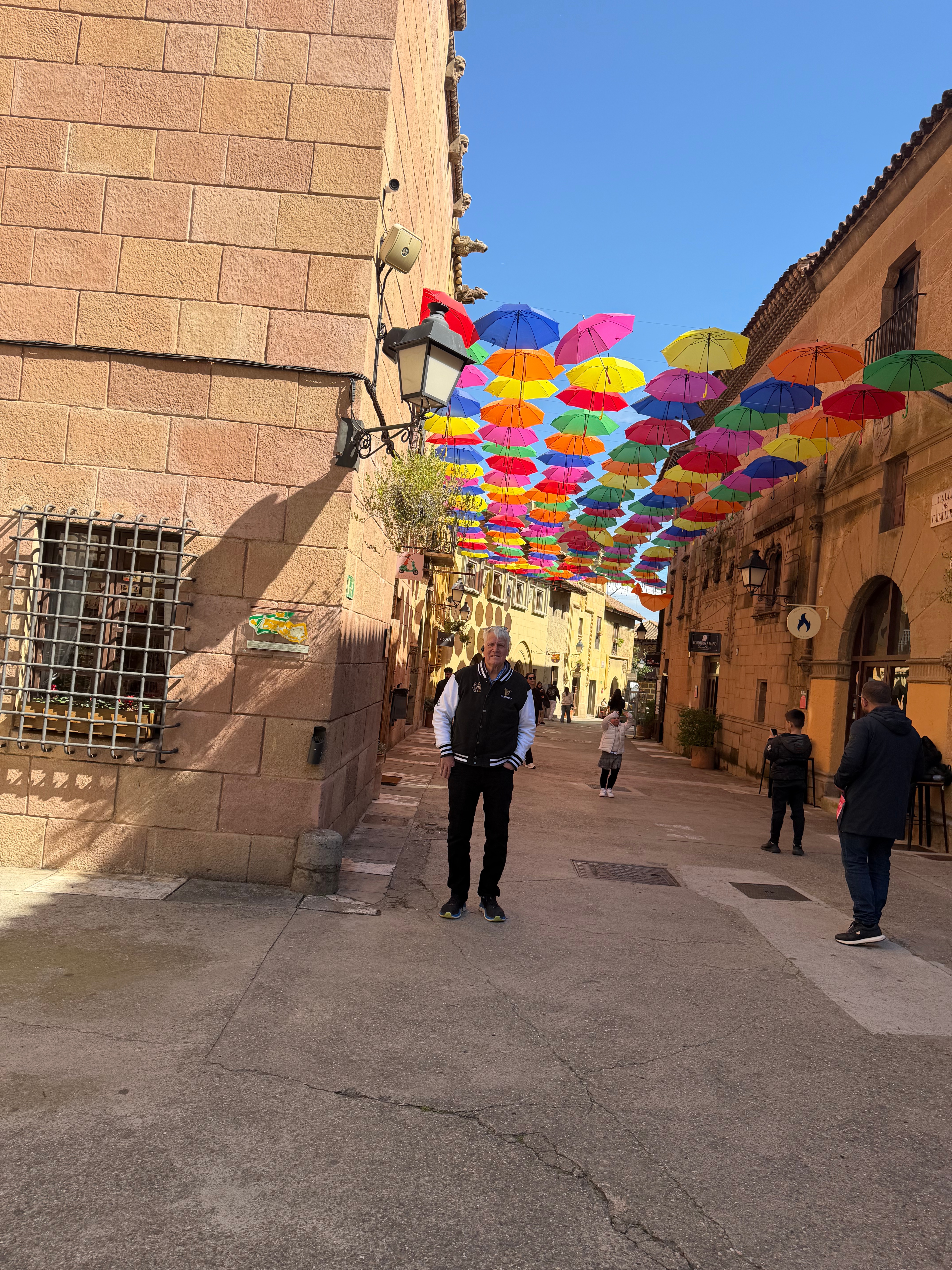
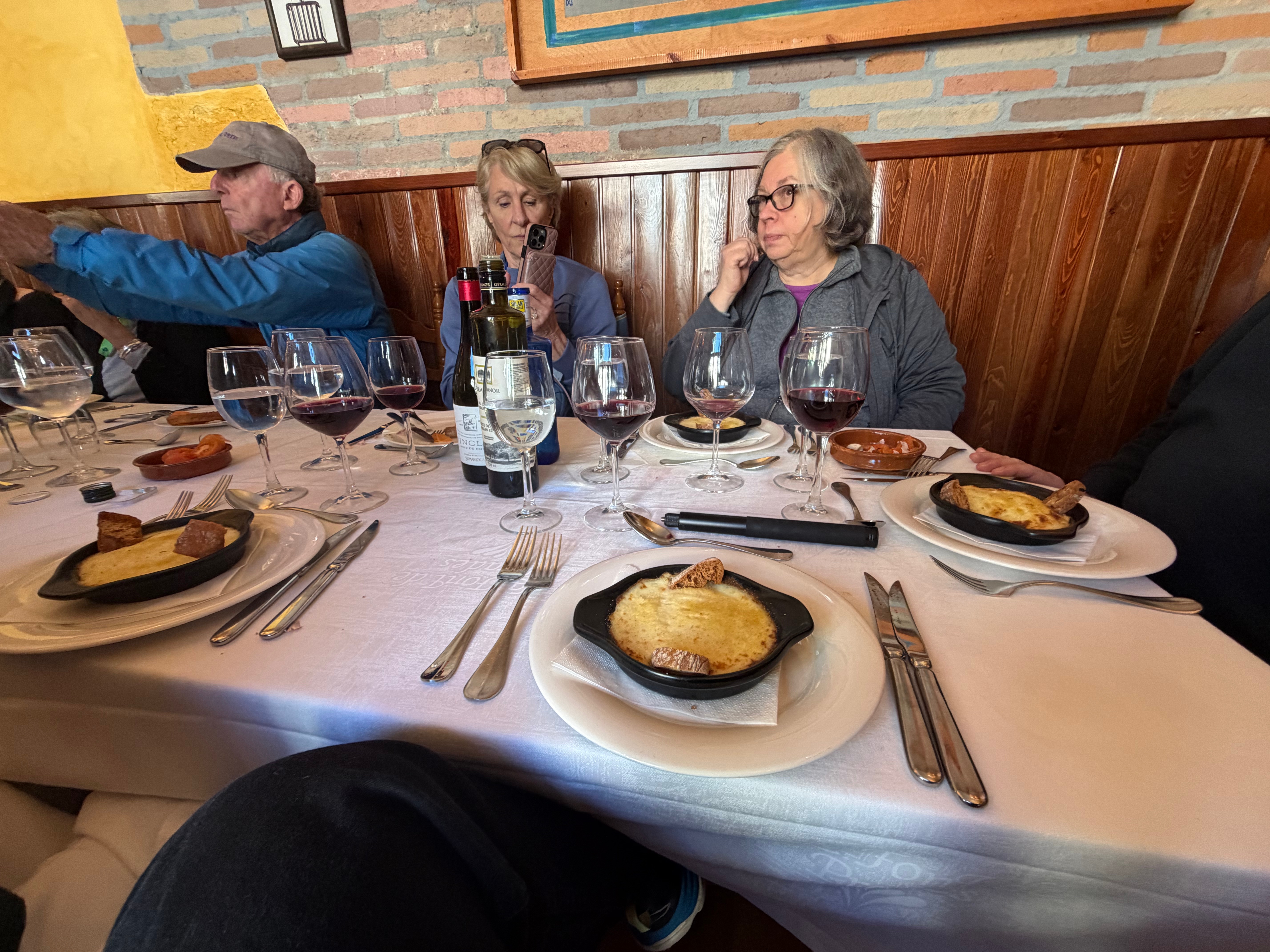
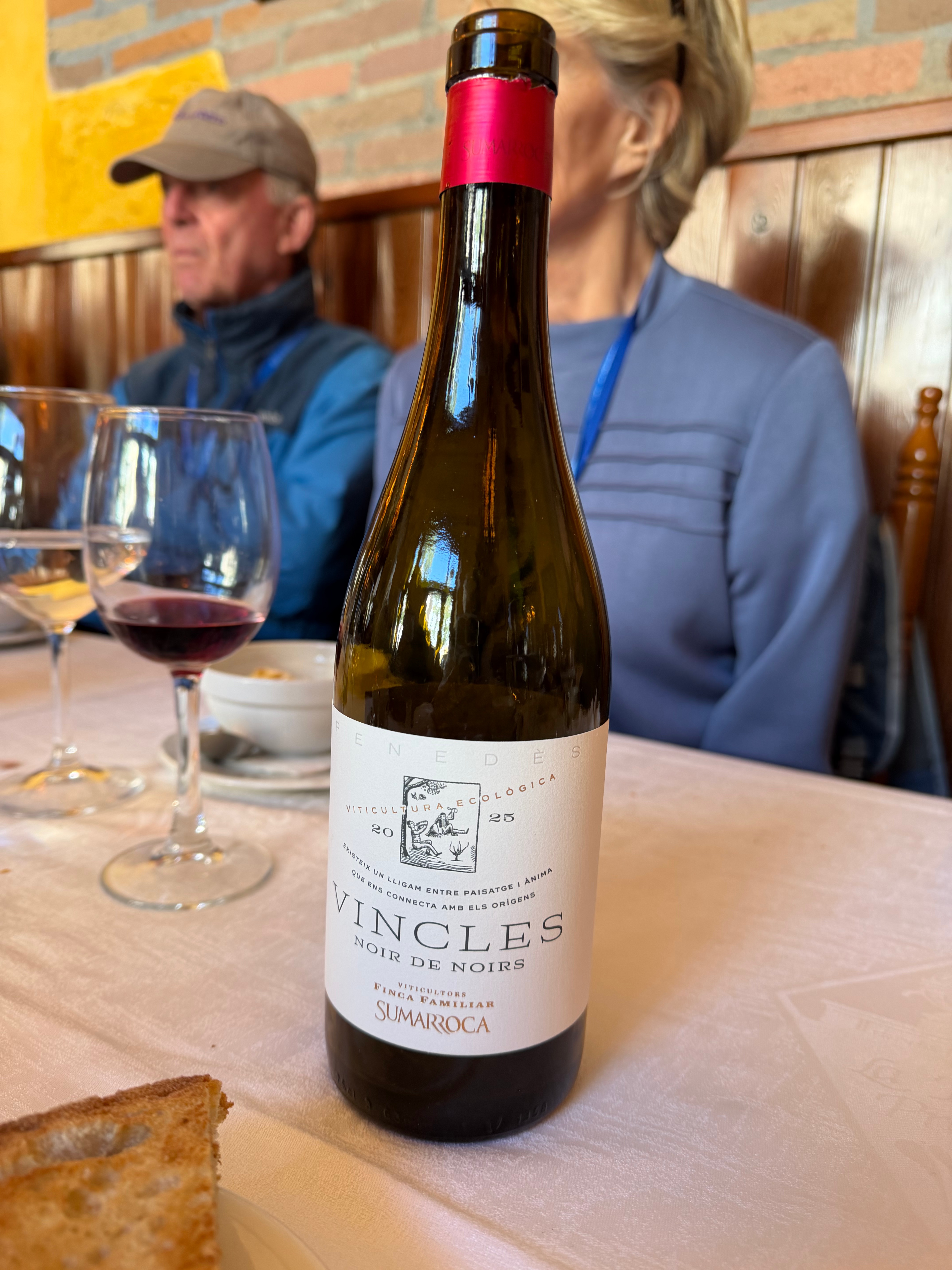
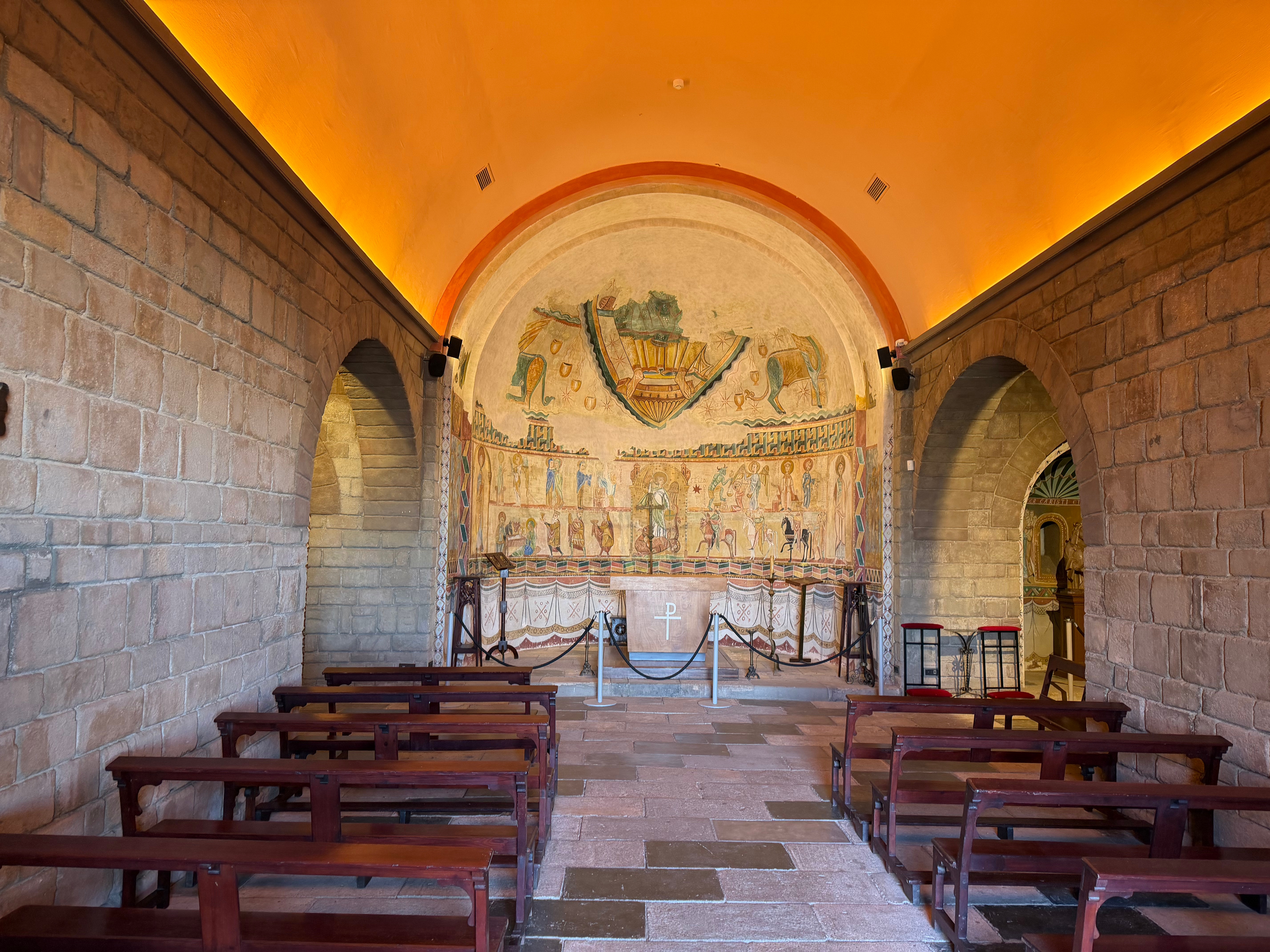
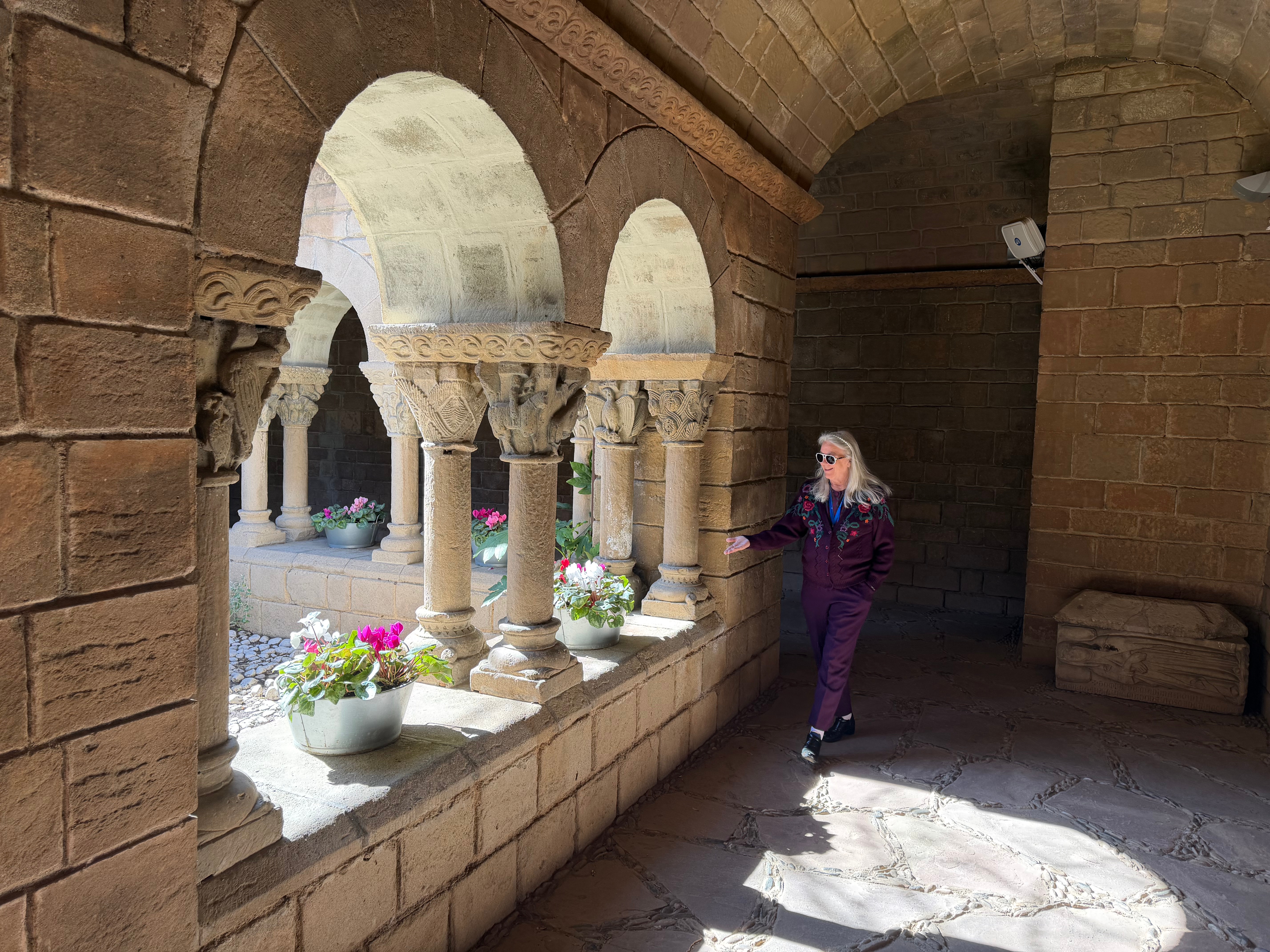
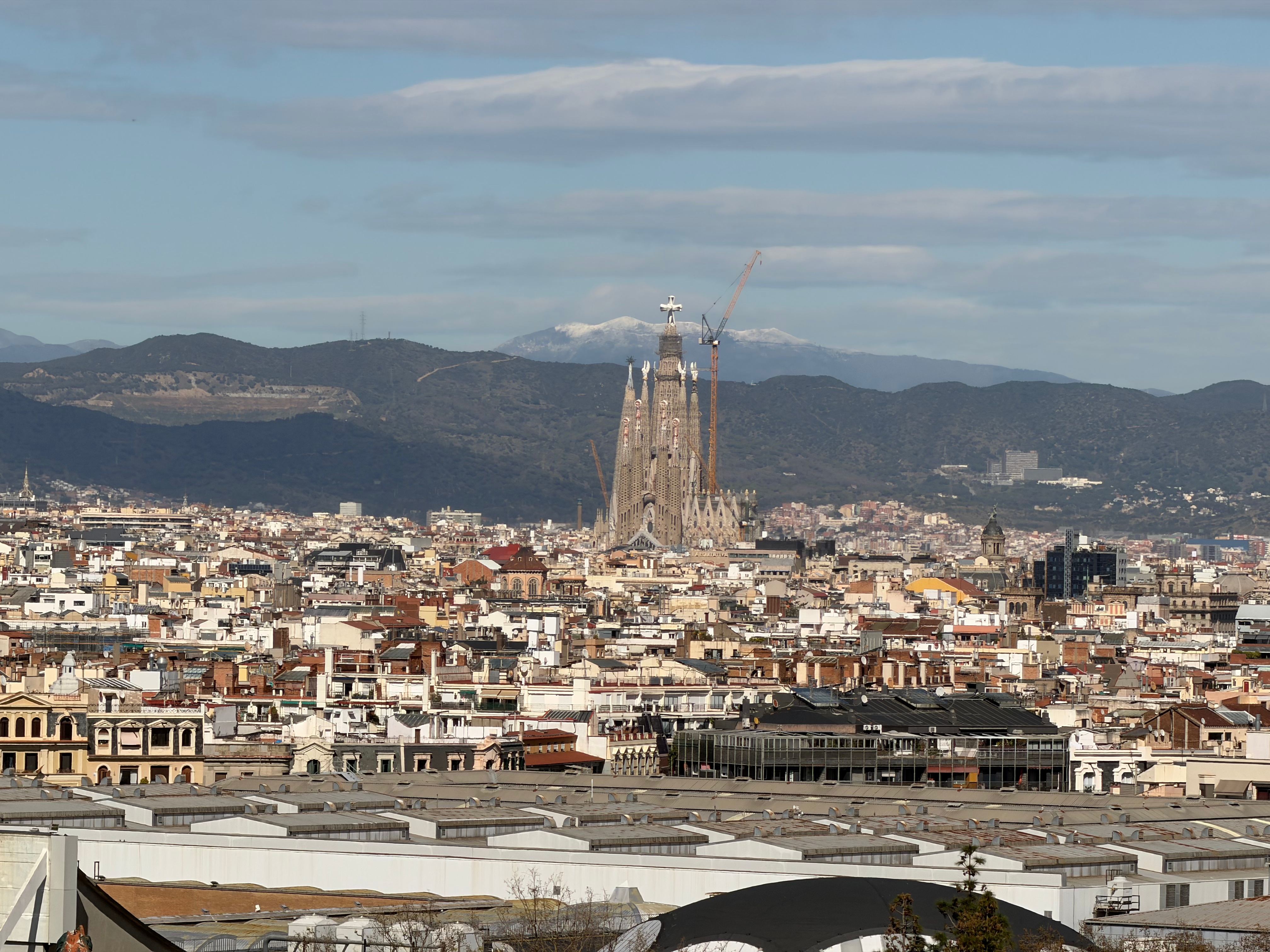
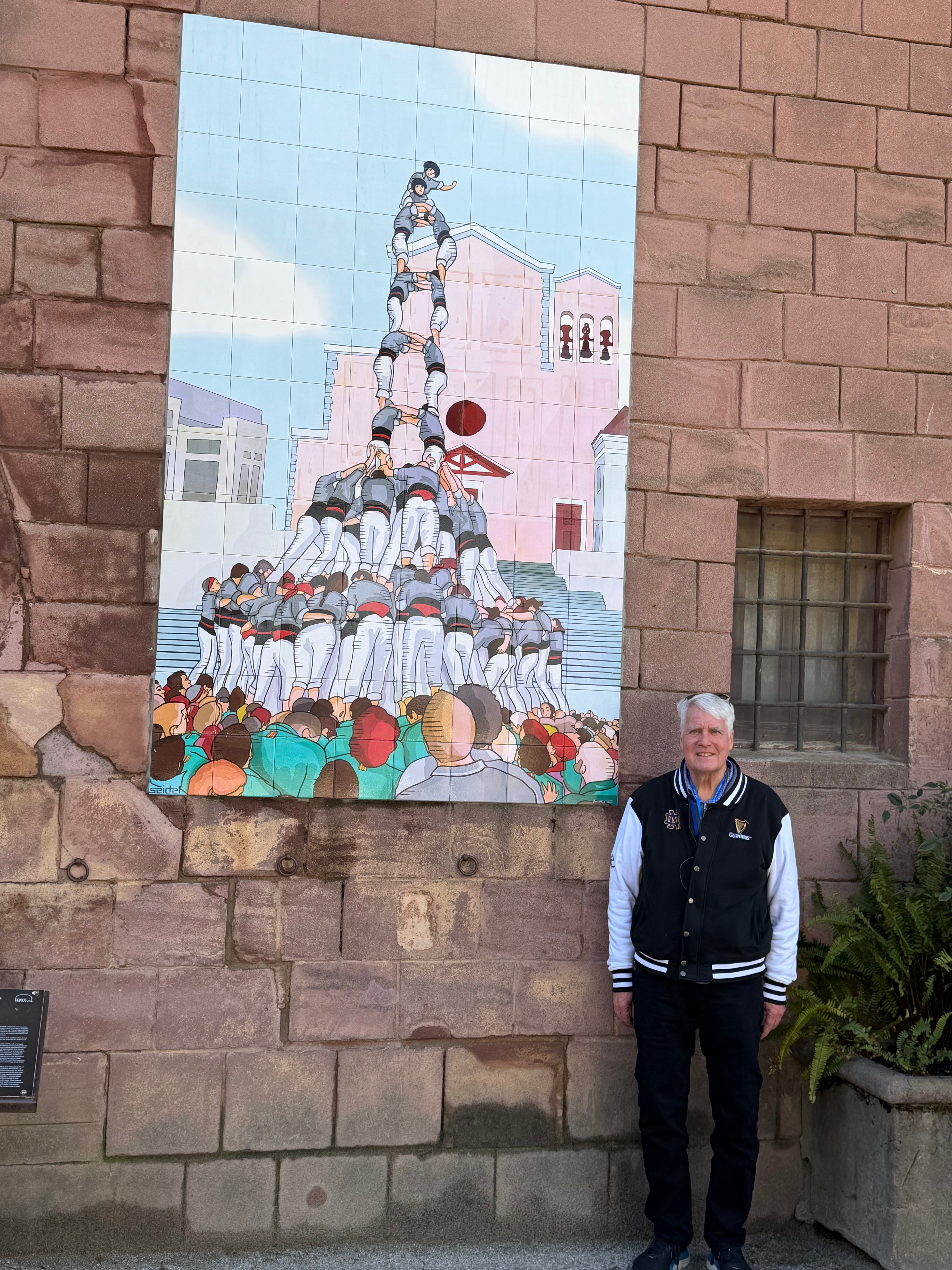
Our first stop was Poble Espanyol. This unique attraction is essentially a full-scale “village” representing architectural styles from across Spain. It was originally built for the 1929 Barcelona International Exposition. While there, we enjoyed a traditional Barcelona lunch and spent some time exploring the streets and buildings of the recreated village. Another uniquely Catalan tradition we saw today were the giant festival figures known as “Gegants.” These towering figures — often 10 to 15 feet tall — represent historical characters, kings, queens, nobles, or legendary figures from Catalan history.
⸻
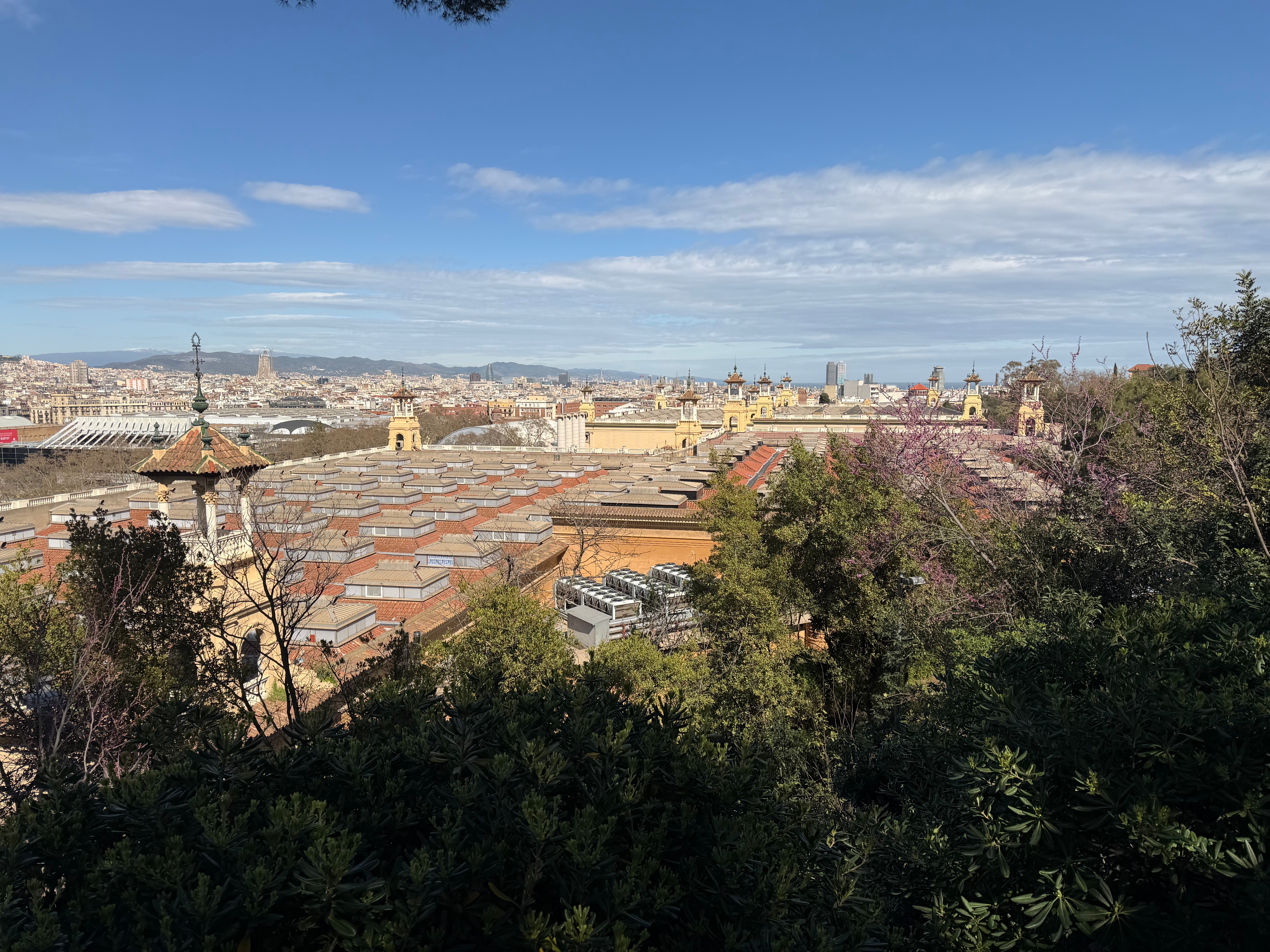
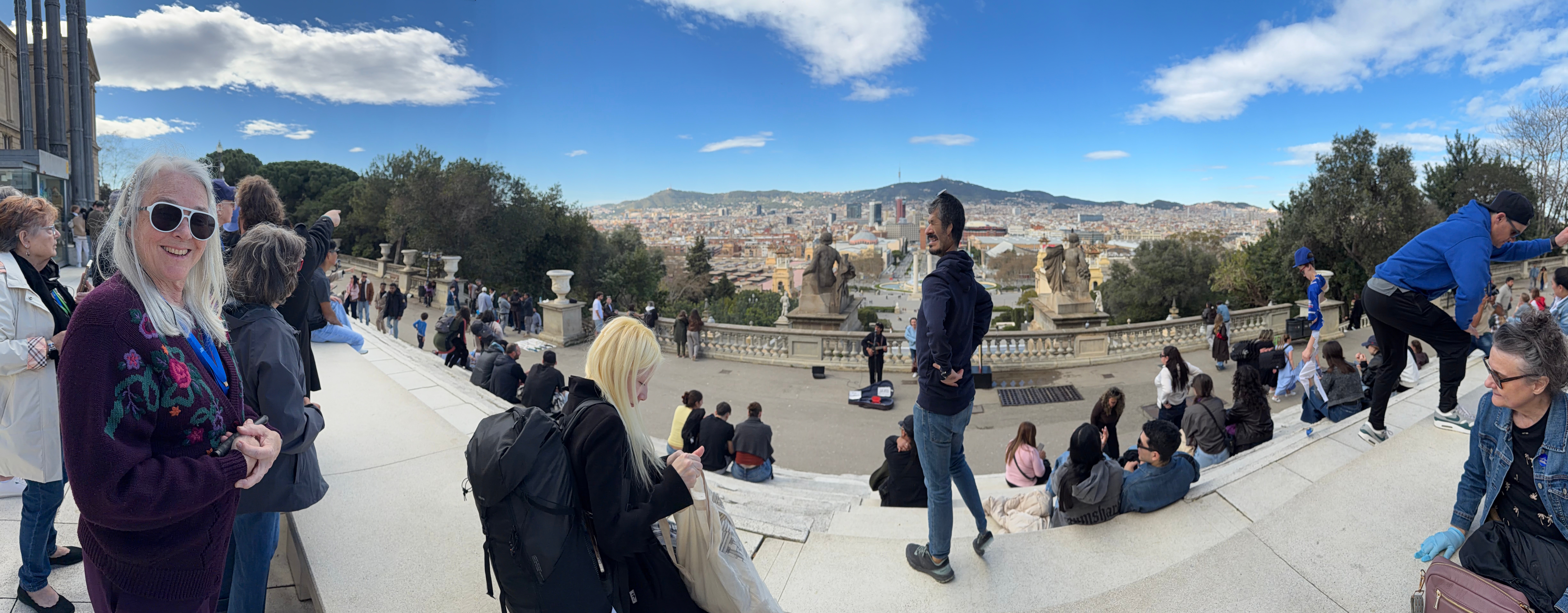
From there we took a scenic drive around the Montjuïc Hill area. This hill is one of the most historically significant viewpoints in Barcelona. Rising high above the harbor, it offers spectacular panoramic views of the entire city.
From this vantage point, Barcelona stretches out in every direction — the orderly grid of the Eixample district, the dense historic center, and beyond that the deep blue of the Mediterranean Sea meeting the horizon.
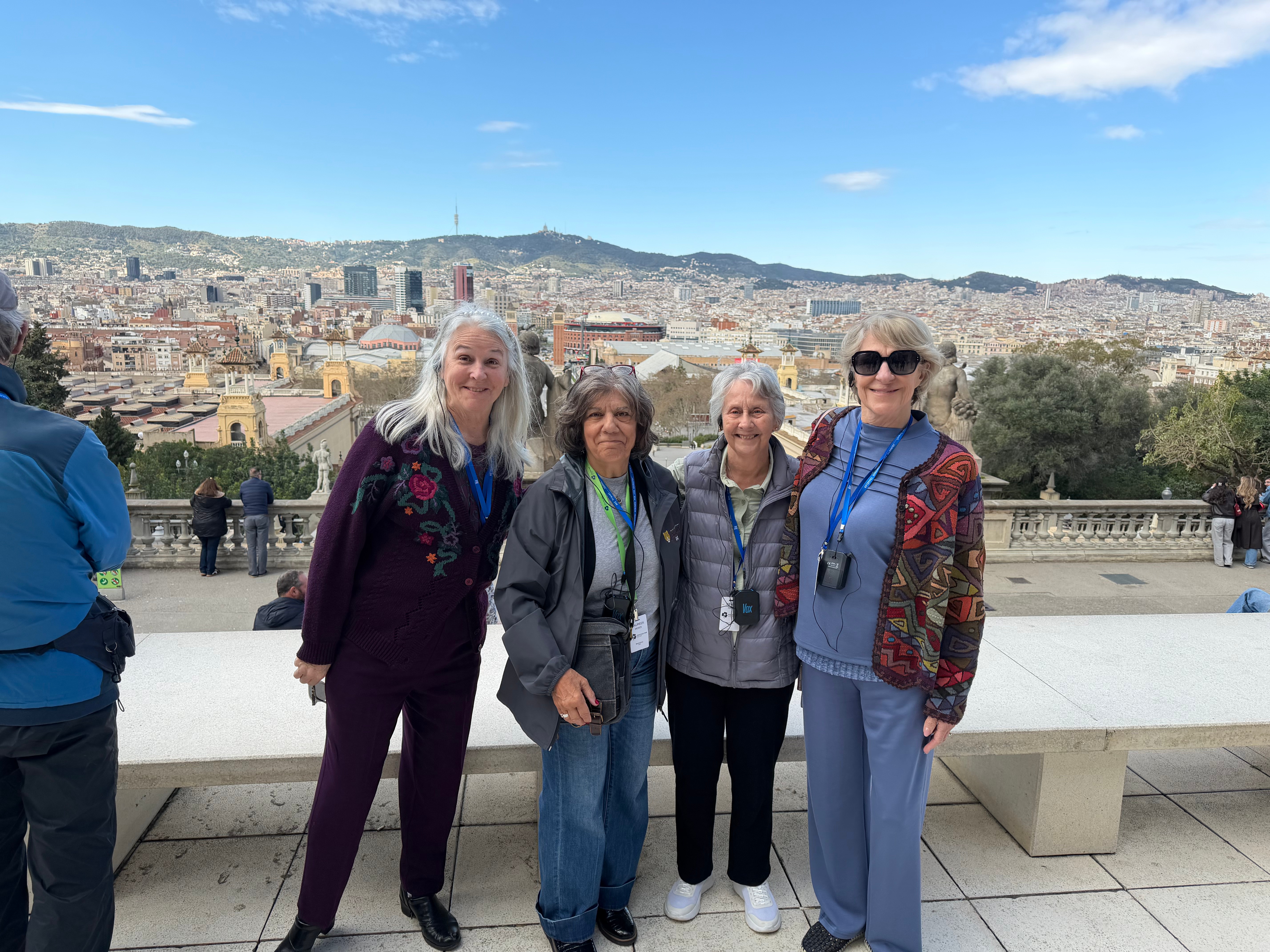
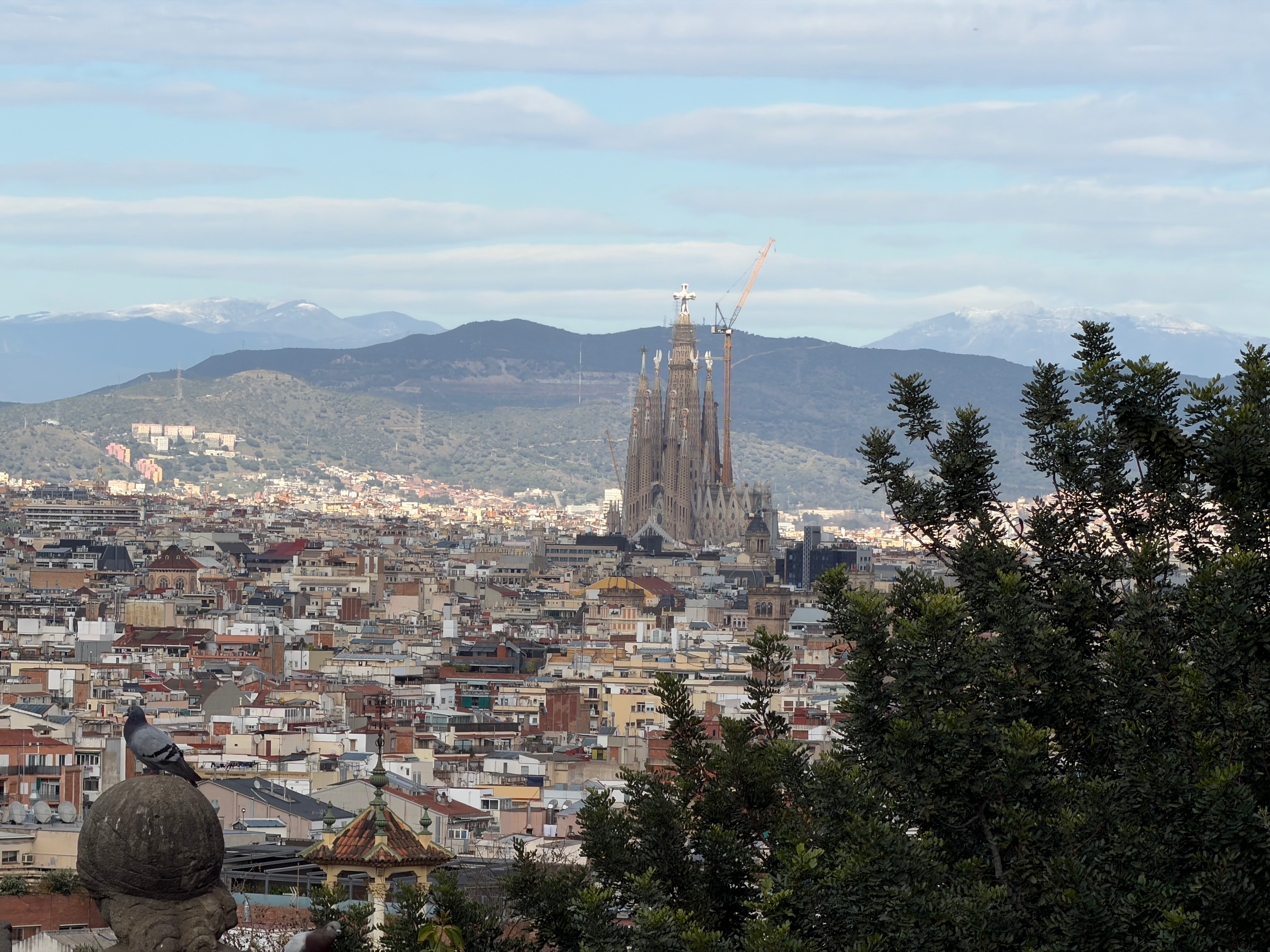
La Sagrada Família
⸻
Montjuïc is perhaps best known as the site of the 1992 Summer Olympics, a transformational moment in Barcelona’s modern history. The Olympic Games introduced Barcelona to the world and sparked a massive redevelopment of the city’s waterfront and public spaces. The Olympic Stadium, where the opening ceremonies were held in July 1992, still stands today as a reminder of that pivotal moment when Barcelona stepped onto the global stage.
From the hill we could clearly see several of the city’s most recognizable landmarks.
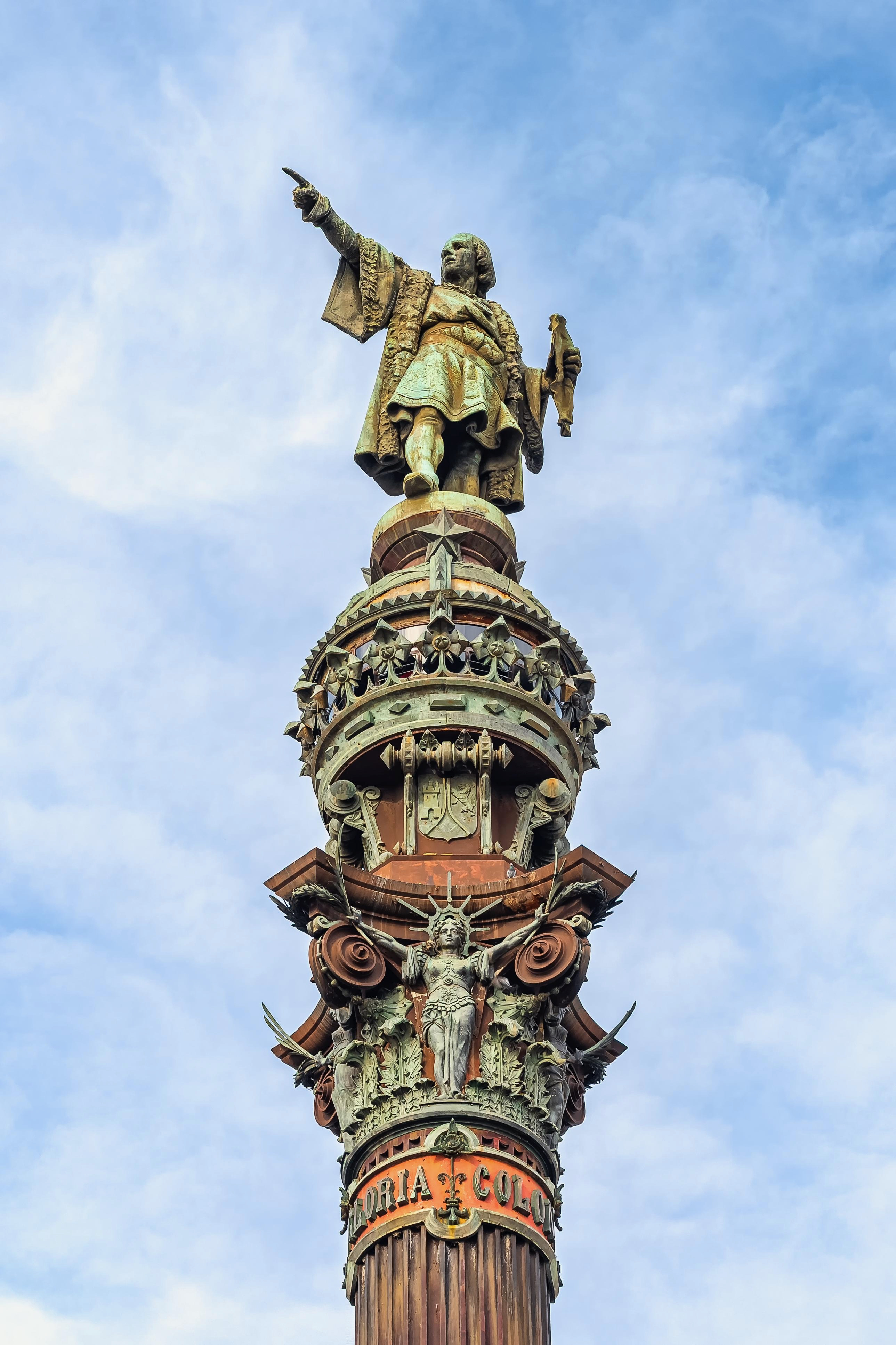
One was the Christopher Columbus Monument, which stands at the lower end of La Rambla near the harbor. The statue commemorates Columbus reporting back to the Spanish monarchs after his first voyage to the Americas and has become one of Barcelona’s enduring symbols.
Nearby, the World Trade Center Barcelona stood out along the waterfront. Its curved design is intentionally shaped to resemble a large ship docked in the harbor — a fitting architectural tribute to Barcelona’s long maritime tradition.
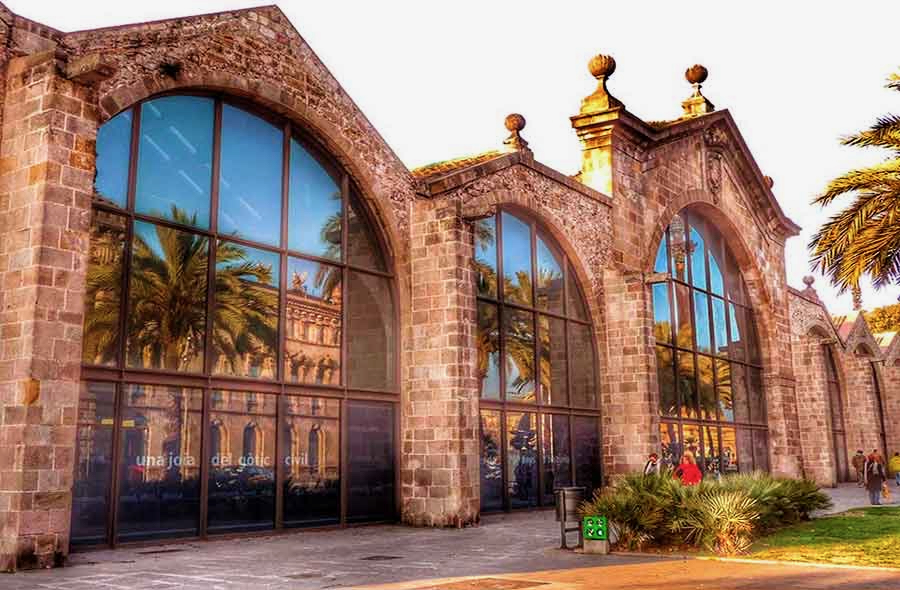
We also learned about the Drassanes Reials, the medieval royal shipyards located near the harbor. These massive stone structures date back to the 13th century and were once used by the Crown of Aragon to build and maintain powerful Mediterranean fleets. Today the shipyards house the Maritime Museum, preserving Barcelona’s deep connection to the sea.
⸻
After taking in the sweeping views from Montjuïc, we descended back down toward the waterfront to explore the area up close.
Barcelona’s harbor today feels vibrant and modern, yet still connected to its historic past. The waterfront promenade is lively with walkers, cyclists, street performers, and cafés lining the boardwalk.
One of the most striking sights was Marina Port Vell, where enormous luxury yachts were docked. These floating palaces looked more like small cruise ships than private boats. It was fascinating to see such modern wealth sitting alongside centuries of maritime history — another example of the many layers that make Barcelona feel so alive.
⸻
Things I Noticed Today in Barcelona
Even though it was cold, people were everywhere — walking, socializing, and gathering at bakeries, cafés, and bars. Barcelona truly feels like a city designed to be lived in outdoors.

 papa carney
[like] Nunes, Renato reacted to your message:
What’s up?
Once again Mike, living Barsolona vicariously through your blog. Thanks for sharing.
Ron